

As a seasoned supplier of washing machine moulds, I've witnessed firsthand the intricate nuances that set different types of these moulds apart. In this blog, I'll delve into the key differences between various washing machine moulds, shedding light on their unique features, applications, and considerations.
Plastic Washing Machine Mould
Plastic washing machine moulds are among the most common types in the industry. These moulds are designed to create plastic components for washing machines, such as outer casings, control panels, and small interior parts. The Plastic Washing Machine Mould offers several advantages.
One of the primary benefits is the versatility of plastic materials. Plastic can be easily molded into complex shapes, allowing for innovative and ergonomic designs. This flexibility enables manufacturers to create washing machines with sleek and modern aesthetics. Additionally, plastic is lightweight, which reduces the overall weight of the washing machine and makes it more energy - efficient during operation.
Another advantage is the cost - effectiveness of plastic moulding. Plastic materials are generally less expensive than metals, and the moulding process can be highly automated, resulting in lower production costs. This makes plastic washing machine moulds an attractive option for mass - production.
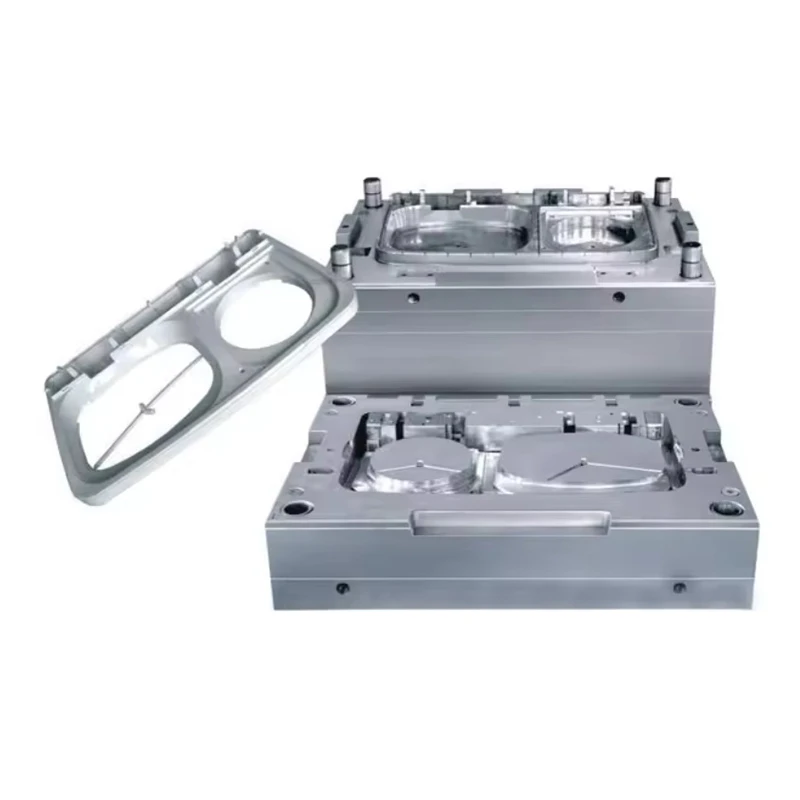
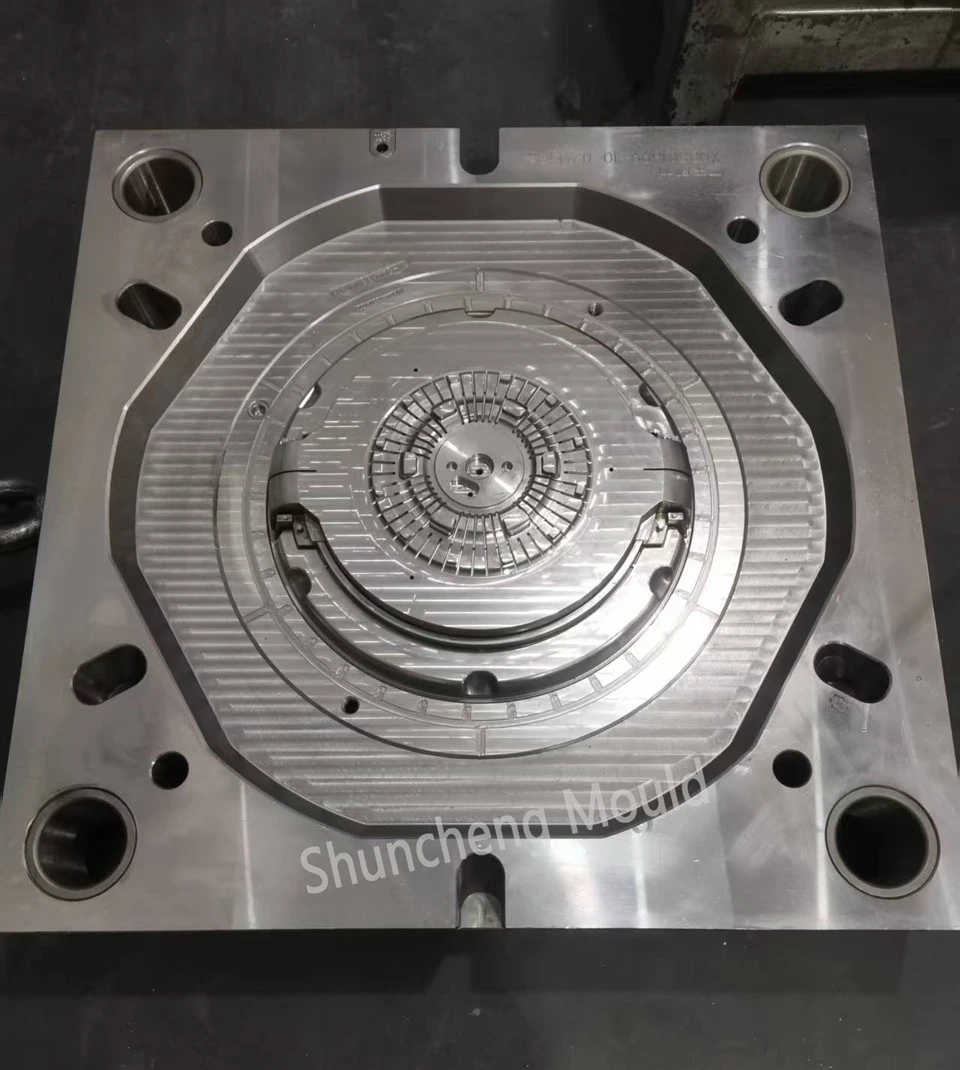
However, plastic also has its limitations. It may not be as durable as some other materials, especially in high - stress areas. Over time, plastic components may crack or warp, particularly if exposed to extreme temperatures or harsh chemicals.
Washing Machine Inner Drum Bottom Mould
The Washing Machine Inner Drum Bottom Mould is specifically designed to create the bottom part of the inner drum of a washing machine. This component is crucial as it bears the weight of the laundry and is constantly in contact with water and detergents.
One of the key differences between this mould and others is the material requirements. The inner drum bottom needs to be made of a material that is resistant to corrosion and wear. Stainless steel is a popular choice due to its excellent durability and resistance to rust. The moulding process for stainless steel is more complex and requires specialized equipment compared to plastic moulding.
The design of the inner drum bottom also has unique features. It often has a complex shape with holes or perforations to allow water to drain during the spin cycle. The mould must be precisely engineered to ensure that these holes are of the correct size and placement, which is essential for the proper functioning of the washing machine.
In terms of production volume, the demand for inner drum bottom moulds may be lower compared to plastic moulds for outer components. This is because the inner drum bottom is a single, critical part, while there are multiple plastic parts in a washing machine.
Washing Machine Injection Mould
Washing Machine Injection Mould is a widely used method for manufacturing plastic parts in washing machines. Injection moulding involves injecting molten plastic into a mould cavity under high pressure.
One of the main advantages of injection moulding is the high precision and repeatability it offers. The process can produce parts with tight tolerances, ensuring that each component meets the exact specifications. This is crucial for the proper assembly of the washing machine, as even small deviations can lead to malfunctions.
Injection moulds can also produce parts with a smooth surface finish, which is aesthetically pleasing and may reduce the adhesion of dirt and debris. The cycle time for injection moulding is relatively short, allowing for high - volume production.
However, the initial investment in injection moulds is relatively high. Designing and manufacturing an injection mould requires advanced engineering skills and expensive equipment. Additionally, any changes to the design of the part may require significant modifications to the mould, which can be costly and time - consuming.
Material Differences
The choice of material is a fundamental difference between different types of washing machine moulds. As mentioned earlier, plastic is commonly used for outer and non - critical components due to its cost - effectiveness and design flexibility. Metals, such as stainless steel and aluminum, are used for parts that require high strength, durability, and corrosion resistance, like the inner drum bottom.
The material properties also affect the moulding process. For example, plastic can be melted and injected into a mould at relatively low temperatures, while metals require much higher temperatures and more energy - intensive processes.
Design Complexity
The design complexity varies greatly among different types of washing machine moulds. Plastic moulds for simple components, such as small buttons or covers, may have relatively straightforward designs. On the other hand, moulds for complex parts like the inner drum bottom or some of the more intricate plastic components with multiple features require highly detailed and precise designs.
The design of the mould must take into account factors such as the shrinkage rate of the material during cooling, the ejection mechanism for the finished part, and the flow of the molten material during the moulding process.
Production Volume and Cost
Production volume is another important factor that differentiates various washing machine moulds. Plastic injection moulds are well - suited for high - volume production due to their relatively short cycle times and the ability to automate the process. This results in lower per - unit costs for large - scale manufacturing.
In contrast, moulds for metal components, especially those with complex designs like the inner drum bottom, may be more suitable for medium - to - low - volume production. The higher cost of materials and the more complex manufacturing processes make them less cost - effective for mass production unless there are specific requirements for durability and performance.
Quality and Performance Considerations
The quality and performance of the final washing machine components are directly related to the type of mould used. High - quality moulds ensure that the parts are produced with consistent dimensions and properties. For example, a well - designed injection mould will produce plastic parts that fit together perfectly during assembly, reducing the likelihood of leaks or mechanical failures.
The performance of the washing machine is also affected by the material and design of the components. A durable inner drum bottom made from a high - quality stainless steel will withstand the rigors of repeated use and ensure efficient water drainage, leading to better washing results.
Conclusion
In conclusion, the differences between different types of washing machine moulds are significant and are determined by factors such as material, design complexity, production volume, and quality requirements. As a washing machine mould supplier, we understand the importance of these differences and are committed to providing our customers with the best - suited moulds for their specific needs.
Whether you are looking for a cost - effective plastic washing machine mould for mass - production, a high - precision injection mould for complex plastic parts, or a durable inner drum bottom mould, we have the expertise and resources to meet your requirements. If you are interested in purchasing washing machine moulds or would like to discuss your project in more detail, please feel free to reach out to us. We are eager to engage in procurement discussions and help you find the ideal solutions for your washing machine manufacturing needs.
References
- "Plastic Moulding Technology" by John Doe
- "Metal Forming Processes for Home Appliances" by Jane Smith
- "Washing Machine Design and Manufacturing" by Robert Johnson