

Hey there! As a rear bumper mould supplier, I often get asked about the differences between plastic and metal rear bumper moulds. So, I thought I'd write this blog to break it down for you.
Material Characteristics
Let's start with the materials themselves. Plastic is a lightweight material. It's easy to work with and can be molded into various complex shapes. You know, when you look at modern cars, many of them have these sleek, curvy rear bumpers. That's because plastic can be shaped to fit those aerodynamic designs. On the other hand, metal is much heavier. It's strong and durable, but it doesn't have the same flexibility as plastic when it comes to shaping. Metal bumpers are more likely to have a more straightforward, boxy design.
Plastic has a relatively low melting point compared to metal. This means that when we're making plastic rear bumper moulds, the molding process doesn't require extremely high temperatures. For metal, we need to heat it up to a much higher temperature to make it malleable enough for molding. This difference in melting points also affects the energy consumption during the manufacturing process. Plastic molding generally uses less energy, which can be a plus for cost - conscious manufacturers.
Manufacturing Process
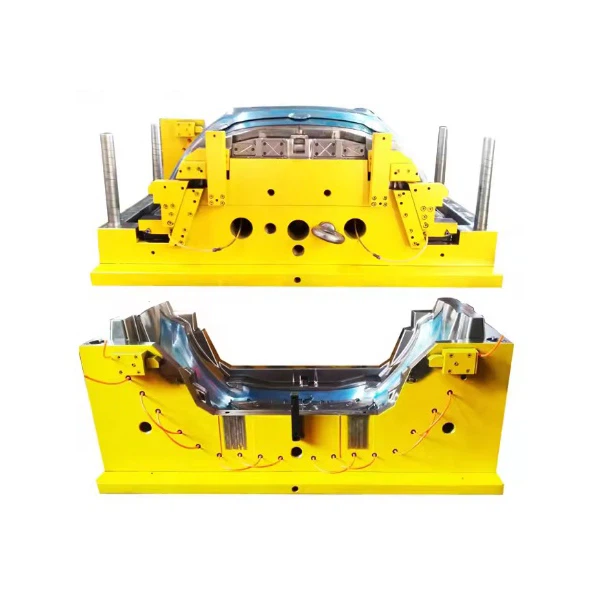
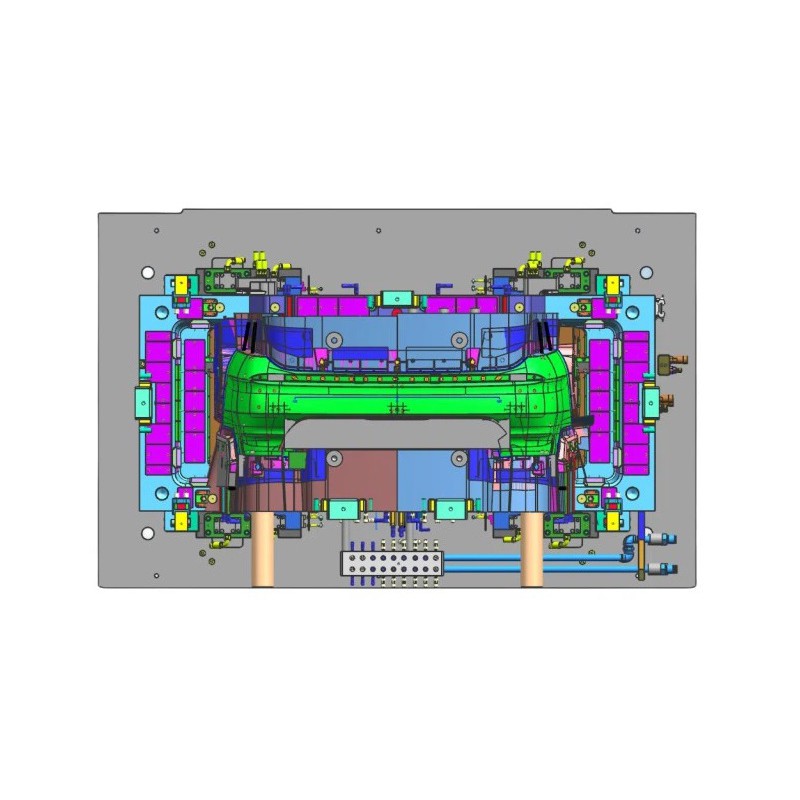
When it comes to manufacturing plastic rear bumper moulds, injection molding is a common method. We heat the plastic until it turns into a liquid state and then inject it into the mould cavity. Once it cools down and solidifies, we get the final bumper shape. It's a relatively fast process, and we can produce a large number of bumpers in a short time. The Bumper Injection Mould is designed specifically for this process, ensuring high - precision and consistent results.
For metal rear bumper moulds, processes like forging or casting are often used. Forging involves hammering or pressing the metal into shape. It requires a lot of force and specialized equipment. Casting, on the other hand, is similar to injection molding in the sense that we melt the metal and pour it into a mould. But the moulds for metal casting need to be able to withstand much higher temperatures and pressures. Compression molding can also be used for metal in some cases, and you can learn more about Compression Molds For Automotive on our website.
Cost Considerations
Cost is always a big factor in the automotive industry. Plastic rear bumper moulds are generally more affordable. The raw materials for plastic are cheaper than metal, and the manufacturing process is also less expensive. As I mentioned earlier, the lower energy consumption during plastic molding helps keep the costs down. Also, plastic is easier to source, which means there are fewer supply - chain issues that could drive up the price.
Metal rear bumper moulds, however, are more expensive. The cost of the raw metal is higher, and the manufacturing processes require more specialized equipment and skilled labor. The high - temperature and high - pressure requirements also mean more wear and tear on the equipment, which adds to the overall cost.
Performance and Durability
In terms of performance, plastic rear bumpers are great at absorbing impact. They can deform to a certain extent during a collision, which helps to reduce the force transferred to the vehicle and its occupants. But plastic bumpers are more likely to crack or break if the impact is too severe.
Metal rear bumpers, on the other hand, are extremely strong. They can withstand much higher levels of force without significant deformation. However, because they're so rigid, they can transfer more of the impact force to the vehicle structure, which might cause more damage to the car itself.
When it comes to durability, metal has an edge. It's resistant to scratches, dents, and environmental factors like UV rays and moisture. Plastic can be more prone to fading, cracking, and becoming brittle over time, especially if it's exposed to harsh conditions.
Design Flexibility
As I've already touched on, plastic offers a lot more design flexibility. We can create intricate details, smooth curves, and unique shapes with plastic rear bumper moulds. This is great for car manufacturers who want to give their vehicles a distinct look. With Rear Bumper Mould, we can customize the design according to the specific requirements of the client.
Metal, while it can be shaped, has more limitations in terms of design. Complex shapes are more difficult and expensive to achieve with metal. So, if a car design calls for a very avant - garde or complex rear bumper shape, plastic is usually the better choice.
Weight and Fuel Efficiency
Weight is a crucial factor in the automotive industry, especially when it comes to fuel efficiency. Plastic rear bumpers are much lighter than metal ones. A lighter vehicle generally consumes less fuel because there's less mass to move. So, using plastic rear bumpers can contribute to better fuel economy, which is a big selling point for both car manufacturers and consumers.
Maintenance and Repair
Plastic rear bumpers are relatively easy to repair. Minor scratches and cracks can often be fixed with simple DIY kits. If the damage is more severe, it's usually more cost - effective to replace the entire bumper rather than trying to repair it.
Metal rear bumpers, on the other hand, are more difficult to repair. They may require specialized welding or straightening equipment. And the cost of repairing a metal bumper can be quite high, especially if the damage is extensive.
In conclusion, both plastic and metal rear bumper moulds have their own advantages and disadvantages. The choice between the two depends on various factors such as cost, design requirements, performance needs, and fuel efficiency goals. As a rear bumper mould supplier, we have the expertise and resources to provide high - quality moulds for both plastic and metal bumpers.
If you're in the automotive industry and are looking for a reliable rear bumper mould supplier, we'd love to have a chat with you. Whether you're interested in plastic or metal rear bumper moulds, we can offer customized solutions to meet your specific needs. Just reach out to us, and let's start a discussion about your next project.
References
- Automotive Manufacturing Handbook, various authors
- Journal of Automotive Materials and Design
- Industry reports on automotive bumper production