

As a front bumper mould supplier, I've witnessed firsthand the critical role that a well - designed gating system plays in the production of high - quality front bumpers. In this blog, I'll share some key insights on how to design a proper gating system for a front bumper mould.
Understanding the Basics of Gating Systems
A gating system in a mould is responsible for guiding the molten plastic from the injection unit of the injection - molding machine into the mold cavity. It consists of several components, including the sprue, runners, gates, and vents. The main functions of a gating system are to control the flow of the molten plastic, ensure uniform filling of the mold cavity, and minimize defects such as air traps, weld lines, and sink marks.
Factors to Consider Before Designing the Gating System
1. Plastic Material
Different plastic materials have different flow characteristics. For example, polypropylene (PP), which is commonly used in front bumper production, has relatively good flowability. However, materials with high viscosity may require a larger cross - sectional area of the gating system to ensure proper filling. The melt temperature and shear rate also affect the flow behavior of the plastic, and these factors need to be considered when designing the gating system.
2. Bumper Geometry
The shape and size of the front bumper play a significant role in gating system design. Complex geometries with thin walls or large - scale features may require multiple gates to ensure uniform filling. For instance, if the bumper has a long and narrow section, a single gate may not be sufficient to fill the entire area, leading to incomplete filling or uneven packing.
3. Production Volume
High - volume production requires a gating system that can withstand repeated use without significant wear. Hot runner gating systems are often preferred for high - volume production as they offer better control over the plastic flow, reduce material waste, and increase the production speed. In contrast, cold runner systems may be more suitable for low - volume production due to their lower initial cost.
Steps in Designing a Gating System
1. Gate Location Selection
The gate location is crucial as it determines the flow pattern of the molten plastic in the mold cavity. The gate should be placed in an area where the plastic can flow smoothly and fill the entire cavity without causing excessive turbulence. It is often recommended to place the gate near the thickest part of the bumper to ensure proper packing. However, the gate location should also avoid areas that are visible on the final product to prevent the appearance of gate marks.
2. Runner Design
The runner is the channel that connects the sprue to the gates. Its design affects the pressure drop and flow rate of the molten plastic. The cross - sectional shape and size of the runner need to be carefully selected. Circular runners are commonly used as they provide the least resistance to flow. The diameter of the runner should be large enough to ensure sufficient plastic flow but not too large to cause excessive material waste.
3. Gate Type Selection
There are several types of gates, including edge gates, pin gates, submarine gates, and hot runner gates. Edge gates are simple and easy to manufacture, but they may leave visible marks on the product. Pin gates are small and can be easily removed, making them suitable for products with high - aesthetic requirements. Submarine gates are cut off automatically during the ejection process, reducing the need for post - processing. Hot runner gates offer precise control over the plastic flow and are ideal for high - volume production.
4. Vent Design
Vents are essential to allow air to escape from the mold cavity during the filling process. Without proper vents, air traps can occur, leading to defects such as voids and short shots. Vents should be placed at the end of the flow path or in areas where air is likely to be trapped. The size and location of the vents need to be carefully designed to prevent plastic from flowing out of the vents.
Simulation and Optimization
Before finalizing the gating system design, it is highly recommended to use mold - flow simulation software. This software can predict the flow behavior of the molten plastic in the mold cavity, including the filling time, pressure distribution, and temperature distribution. By analyzing the simulation results, the gating system design can be optimized to reduce defects and improve the quality of the final product. For example, if the simulation shows that there are areas of incomplete filling, the gate location or the size of the runner can be adjusted.
Comparison with Other Automotive Mould Gating Systems
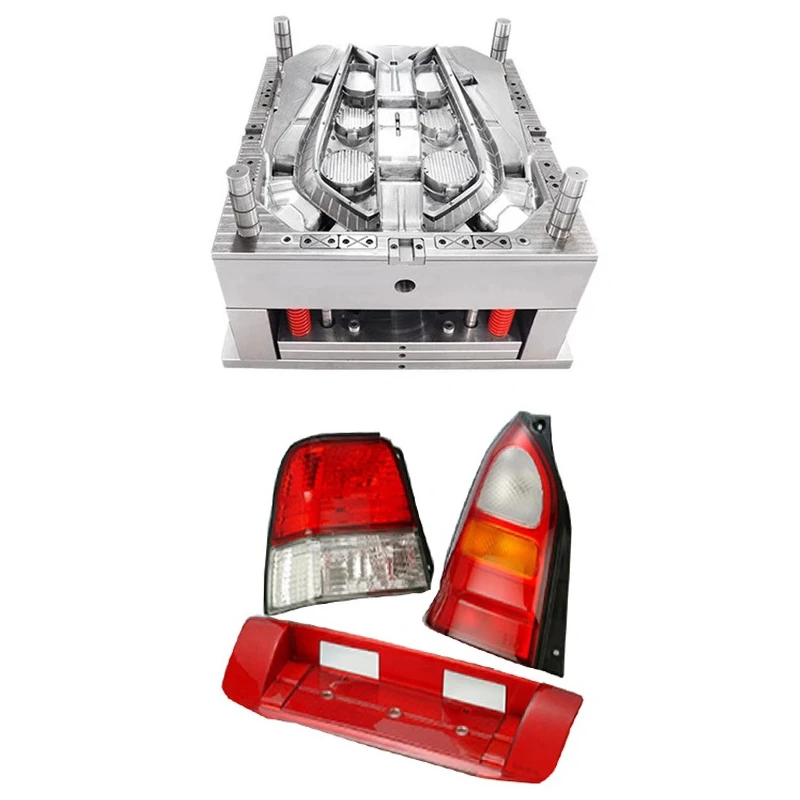
When designing a gating system for a front bumper mould, it's also beneficial to compare with other automotive mould gating systems. For example, Car Lamp Injection Mold gating systems may require more precise control due to the high - precision requirements of car lamps. Rear Bumper Mould gating systems may have different considerations based on the shape and size of the rear bumper. And Compression Molds For Automotive gating systems operate under different principles compared to injection - molding gating systems.
Quality Control and Maintenance
Once the gating system is installed in the front bumper mould, regular quality control and maintenance are necessary. Inspect the gating system for wear, damage, or blockages. Clean the runners and gates regularly to ensure smooth plastic flow. Any signs of wear or damage should be repaired or replaced promptly to maintain the quality of the produced front bumpers.
Conclusion
Designing a proper gating system for a front bumper mould is a complex process that requires a comprehensive understanding of plastic materials, bumper geometry, and production requirements. By carefully considering the factors mentioned above, using simulation software for optimization, and performing regular quality control and maintenance, a high - quality gating system can be designed. This will not only improve the quality of the front bumpers but also increase the production efficiency and reduce costs.

If you are in the market for high - quality front bumper moulds or need assistance with gating system design, feel free to contact us for procurement and further discussions. We are committed to providing the best solutions for your automotive part manufacturing needs.
References
- Throne, J. L. (1996). Plastics Rheology and Processing. Marcel Dekker.
- Rosato, D. V., & Rosato, D. V. (2000). Injection Molding Handbook. Hanser Gardner Publications.
- Beaumont, J. P. (2008). Mold - Flow Analysis: A Practical Guide for Plastics Engineers. Hanser Gardner Publications.