

Hey there! I'm a supplier of bumper moulds, and today I'm super excited to chat with you about the various applications of bumper moulds in different industries. Bumper moulds are like the unsung heroes behind the scenes, playing a crucial role in shaping the products we use every day.
Let's start with the automotive industry, which is probably the most well - known sector where bumper moulds are widely used. In cars, both the front and rear bumpers are made using specialized moulds. The Front Bumper Mould is designed to create the front part of the car's bumper. This mould has to be extremely precise because the front bumper is not only for aesthetic purposes but also for safety. It needs to absorb impact in case of a collision and protect the car's engine and other vital components.
The Rear Bumper Mould, on the other hand, is responsible for the rear bumper. It also plays a key role in protecting the car from rear - end collisions. These moulds are usually made from high - quality steel or aluminum to ensure durability and accuracy. The manufacturing process involves injecting molten plastic into the moulds under high pressure. Once the plastic cools and hardens, it takes the shape of the bumper, ready to be installed on the car.
Now, it's not just regular cars that use these bumper moulds. SUVs, trucks, and even sports cars rely on them too. For sports cars, the bumpers need to be aerodynamic, so the moulds are designed to create sleek and streamlined shapes. Trucks, on the other hand, require more robust bumpers to withstand heavy - duty use, and the moulds are built to produce thick and sturdy bumpers.
Moving on to the motorcycle industry. Motorcycles also have bumpers, although they are different in design compared to car bumpers. Bumper moulds for motorcycles are used to create small, lightweight bumpers that can protect the bike in case of a fall or a minor collision. These moulds are often smaller in size and need to be very precise to create the intricate shapes required for motorcycle bumpers. The plastic used in motorcycle bumpers is usually lightweight yet strong enough to provide some level of protection.
In the industrial equipment sector, bumper moulds are used to create bumpers for forklifts, pallet jacks, and other types of machinery. These bumpers help prevent damage to the equipment when it comes into contact with other objects in a warehouse or industrial setting. The moulds for industrial equipment bumpers are designed to be tough and durable, as they need to withstand constant use and potential impacts.
Another industry where bumper moulds are used is the recreational vehicle (RV) industry. RVs, such as motorhomes and travel trailers, have bumpers that are not only for protection but also for aesthetics. The Car Front Bumper Mold concepts can be adapted for RV bumpers. The moulds are used to create bumpers that match the overall design of the RV, whether it's a modern, sleek look or a more traditional style.
In the marine industry, boats also have bumpers, known as fenders. Bumper moulds are used to create these fenders, which protect the boat from damage when it comes into contact with docks, other boats, or other objects in the water. The moulds for boat fenders need to be designed to create shapes that can float and provide effective protection. The materials used for boat fenders are often resistant to water and UV rays to ensure long - term durability.
The agricultural industry also benefits from bumper moulds. Tractors and other farm equipment have bumpers that protect them from damage when working in the fields. These bumpers are usually large and sturdy, and the moulds are designed to produce them in high - volume. The moulds need to be able to handle the wear and tear associated with agricultural work, such as exposure to dirt, dust, and rough terrain.
Now, let's talk about the advantages of using high - quality bumper moulds. First of all, precision is key. A well - designed bumper mould can produce bumpers with consistent quality and dimensions. This means that the bumpers will fit perfectly on the vehicles or equipment they are intended for, reducing the need for adjustments during installation.
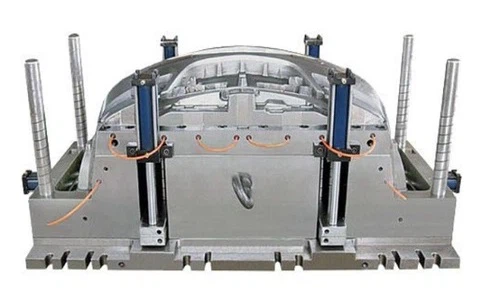
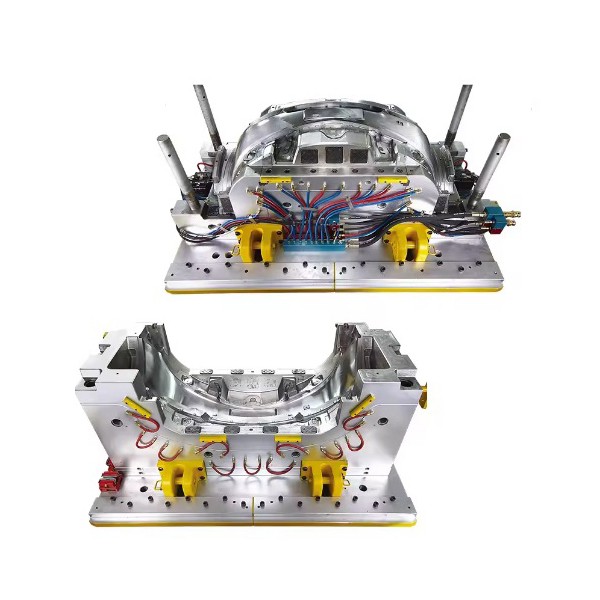
Secondly, durability is crucial. High - quality moulds made from the right materials can last for a long time, which is cost - effective in the long run. They can withstand the high pressures and temperatures involved in the injection - molding process without deforming or wearing out quickly.
Finally, customization is a big plus. As a bumper mould supplier, I can work with customers to design and create custom - made moulds. Whether it's a unique shape, size, or design for a specific application, we can make it happen. This allows companies in different industries to have bumpers that are tailored to their exact needs.
If you're in an industry that requires bumper moulds, I'd love to have a chat with you. Whether you're looking for a standard mould or a custom - designed one, I've got the expertise and resources to meet your requirements. Don't hesitate to reach out and start a conversation about your bumper mould needs. We can discuss the details, such as the materials, design, and production process, to ensure you get the best possible product.
References
- Automotive Industry Handbook: Covers general information about automotive manufacturing and the role of bumper moulds.
- Industrial Equipment Design Manual: Contains details on the design and use of bumpers in industrial machinery.
- Marine Engineering Textbooks: Provide insights into the design and function of boat fenders and the use of bumper moulds in the marine industry.