

Transporting a cutlery mould safely is a crucial task for any cutlery mould supplier. As a professional in this field, I understand the importance of ensuring that these delicate and valuable items reach their destination in perfect condition. In this blog post, I will share some practical tips and best practices on how to transport a cutlery mould safely, based on my years of experience in the industry.
Understanding the Nature of Cutlery Moulds
Before delving into the transportation process, it's essential to understand the unique characteristics of cutlery moulds. These moulds are typically made of high - quality steel or other durable materials, but they are also very precise and sensitive to damage. Any minor scratch, dent, or misalignment can affect the quality of the cutlery produced, leading to production delays and additional costs for the customer.
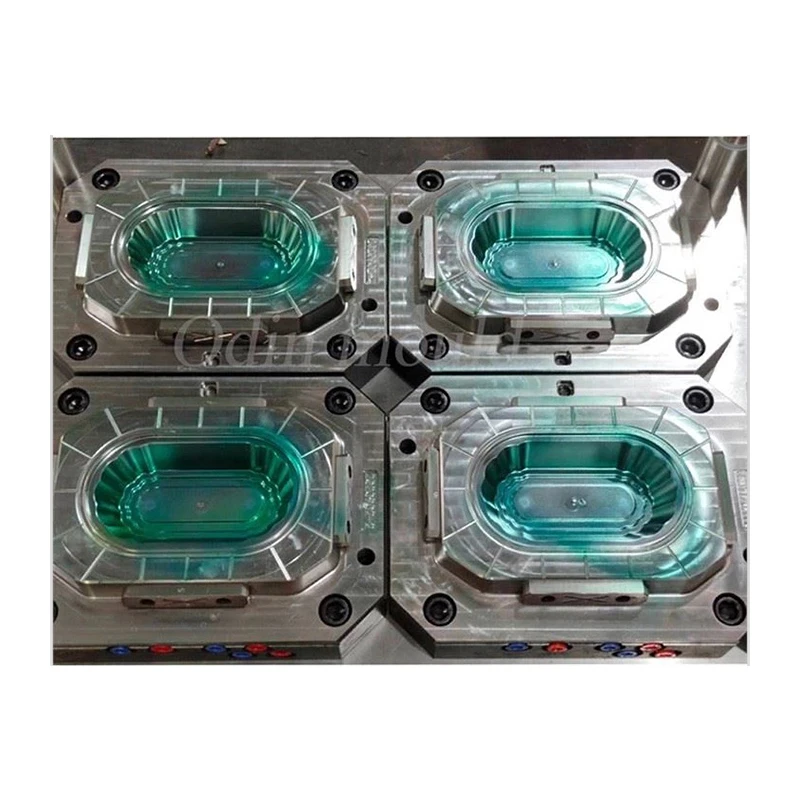
Cutlery moulds come in various shapes and sizes, from simple Plastic Spoon Mold to more complex Spoon Mould and Plastic Thin Wall Food Container Packaging Box Mould. Each type requires specific handling and packaging to ensure its safety during transit.

Pre - transportation Preparation
Inspection
The first step in transporting a cutlery mould safely is to conduct a thorough inspection. Check for any signs of damage, wear, or corrosion on the mould. Make sure all moving parts are in good working condition and that the dimensions of the mould meet the specifications. If any issues are detected, address them before transportation to avoid further complications.
Cleaning
A clean mould is less likely to be damaged during transportation. Remove any debris, dust, or residue from the surface of the mould using appropriate cleaning agents. Pay special attention to the cavities and channels, as these areas are prone to clogging. After cleaning, dry the mould thoroughly to prevent rusting.
Protection
Apply a protective coating to the surface of the mould to prevent corrosion and damage during transit. A thin layer of anti - rust oil or a specialized mould coating can provide an effective barrier against moisture and scratches. Make sure to cover all exposed surfaces, including the edges and corners of the mould.
Packaging
Custom - made Crates
One of the most effective ways to protect a cutlery mould during transportation is to use custom - made crates. These crates are designed to fit the exact dimensions of the mould, providing a snug and secure fit. The crates should be made of high - quality wood or other sturdy materials and reinforced with metal brackets or corner protectors.
Internal Padding
Inside the crate, use soft padding materials such as foam, rubber, or bubble wrap to cushion the mould. Place the padding around the entire surface of the mould, especially in areas that are more vulnerable to damage, such as the edges and corners. Make sure the padding is thick enough to absorb any shocks or vibrations during transit.
Securing the Mould
Once the mould is placed in the crate and padded, secure it firmly to prevent movement. Use straps, bolts, or other fastening devices to hold the mould in place. Make sure the mould is centered within the crate and that there is no excessive movement or rattling.
Choosing the Right Transport Method
Road Transport
Road transport is a common choice for transporting cutlery moulds, especially for short - distance deliveries. When choosing a road transport provider, look for a company with a good reputation for handling delicate and valuable items. Make sure the truck is equipped with shock - absorbing suspension and that the driver is experienced in transporting heavy and fragile cargo.
Air Transport
For long - distance or international deliveries, air transport may be a more suitable option. Air freight is generally faster and more reliable than road transport, reducing the risk of damage due to extended transit times. However, it is also more expensive. When using air transport, make sure the mould is properly packaged and labeled to comply with airline regulations.
Sea Transport
Sea transport is a cost - effective option for large - scale or overseas deliveries. However, it also has a longer transit time and is more susceptible to rough sea conditions. When choosing sea transport, select a shipping company with a good track record in handling heavy and fragile cargo. Make sure the mould is stored in a secure container and that the container is properly stowed on the ship to prevent damage.
Monitoring During Transit
Tracking
Use a tracking system to monitor the location and status of the cutlery mould during transit. This allows you to stay informed about the progress of the delivery and to take appropriate action if any issues arise. Most transport providers offer tracking services, which can be accessed online or through a mobile app.
Temperature and Humidity Control
Cutlery moulds are sensitive to temperature and humidity changes. If possible, choose a transport method that allows for temperature and humidity control. For example, some trucks and containers are equipped with climate - control systems that can maintain a stable environment for the mould during transit.
Unloading and Installation
Professional Handling
When the cutlery mould arrives at its destination, it should be unloaded and installed by professional technicians. These technicians have the necessary skills and experience to handle the mould safely and to ensure its proper installation. Make sure the unloading area is clean, flat, and free of any obstacles.
Re - inspection
After unloading, conduct a re - inspection of the cutlery mould to ensure that it has not been damaged during transit. Check for any signs of impact, scratches, or misalignment. If any issues are detected, contact the transport provider immediately to file a claim.
Conclusion
Transporting a cutlery mould safely requires careful planning, preparation, and execution. By following the tips and best practices outlined in this blog post, you can minimize the risk of damage and ensure that your cutlery moulds reach their destination in perfect condition.
If you are in the market for high - quality cutlery moulds or need assistance with transporting your existing moulds, I encourage you to reach out to us. We are a leading cutlery mould supplier with years of experience in the industry, and we are committed to providing our customers with the best products and services. Contact us today to discuss your specific needs and to start a procurement negotiation.
References
- "Mould Packaging and Transportation Guidelines", Industry Standard Publication
- "Best Practices for Transporting Delicate Industrial Equipment", Logistics Research Journal
- "Cutlery Mould Manufacturing and Handling Manual", Professional Mould - making Association