

Hey there! I'm a supplier of washing machine moulds, and I often get asked by clients, "How on earth can we estimate the production time of a washing machine mould?" Well, it's not as straightforward as you might think, but I'm here to break it down for you.
1. Understanding the Basics of Mould Production
First off, let's talk about what goes into making a washing machine mould. It's a complex process that involves multiple steps, from design to the final product. The type of mould also matters a lot. For instance, a Washing Machine Control Panel Seat Mould has different requirements compared to a Washing Machine Inner Drum Bottom Mould.
The initial step is the design phase. This is where we work closely with the client to understand their specific needs. We use advanced CAD (Computer - Aided Design) software to create a detailed 3D model of the mould. The complexity of the design has a huge impact on the time it takes. A simple, standard design might take a week or two, but a highly customized one with unique features could take several weeks.
2. Material Selection and Procurement
Once the design is finalized, the next big thing is material selection. We need to choose the right steel or alloy for the mould, depending on factors like durability, heat resistance, and cost. High - quality materials are essential for a long - lasting and efficient mould, but they can also take time to source.
For common materials, the procurement process might take around 1 - 2 weeks. However, if we're using specialized or imported materials, it could take 3 - 4 weeks or even longer. Delays in material delivery can really throw off the production schedule, so we always try to plan ahead and have backup suppliers in case of any issues.
3. Machining and Manufacturing
After getting the materials, it's time for the actual machining. This involves cutting, shaping, and drilling the metal to create the mould. The machining process is highly precise and requires advanced CNC (Computer Numerical Control) machines.
The time for machining depends on the size and complexity of the mould. A small, simple Washing Machine Plastic Injection Mold might take 2 - 3 weeks to machine. But for larger and more complex moulds, like those for the inner drum of a washing machine, it could take 4 - 6 weeks or more.
During machining, we also need to perform regular quality checks. If any errors or deviations are found, we have to make adjustments, which can add extra time to the production.
4. Heat Treatment and Surface Finishing
Heat treatment is a crucial step to enhance the hardness and durability of the mould. It involves heating the metal to a specific temperature and then cooling it at a controlled rate. This process can take anywhere from a few days to a week, depending on the size and type of the mould.
After heat treatment, we move on to surface finishing. This includes polishing, coating, and texturing the mould surface. Surface finishing not only improves the appearance of the mould but also affects the quality of the plastic parts produced by it. A basic surface finish might take a couple of days, while a more elaborate one with special coatings could take a week or more.
5. Assembly and Testing
Once all the individual parts are ready, we assemble the mould. This is a delicate process that requires careful alignment and fitting of the components. Assembly usually takes about 1 - 2 weeks, depending on the complexity of the mould.
After assembly, we conduct rigorous testing. We use the mould to produce sample plastic parts and check for any defects, such as warping, flashing, or improper filling. If any issues are found, we have to disassemble the mould, make adjustments, and retest. This trial - and - error process can add a significant amount of time to the production schedule, sometimes up to 2 - 3 weeks.
6. Factors Affecting Production Time
There are several other factors that can influence the production time of a washing machine mould. One of the biggest factors is the workload in our factory. If we're swamped with orders, it might take longer to start and complete a new project.
Another factor is the client's feedback and approval process. If the client is slow to review and approve the design, material selection, or sample parts, it can cause delays. Communication is key here, and we always try to keep the clients informed at every stage of the process.
External factors like holidays, natural disasters, or supply chain disruptions can also have an impact. For example, if there's a strike at a steel mill, it could delay the material procurement.
7. Estimating the Total Production Time
Based on all these factors, we can estimate the production time of a washing machine mould. For a relatively simple and standard mould, the total production time might be around 6 - 8 weeks. This includes 1 - 2 weeks for design, 1 - 2 weeks for material procurement, 2 - 3 weeks for machining, a few days for heat treatment, 1 - 2 days for surface finishing, 1 - 2 weeks for assembly, and 1 - 2 weeks for testing.
For a more complex and customized mould, the production time could be 10 - 16 weeks or even longer. This accounts for the additional time needed for a detailed design, sourcing specialized materials, longer machining and finishing processes, and more extensive testing.
8. Conclusion and Call to Action
Estimating the production time of a washing machine mould is a tricky business, but by understanding all the steps involved and the factors that can affect the schedule, we can give our clients a more accurate estimate.
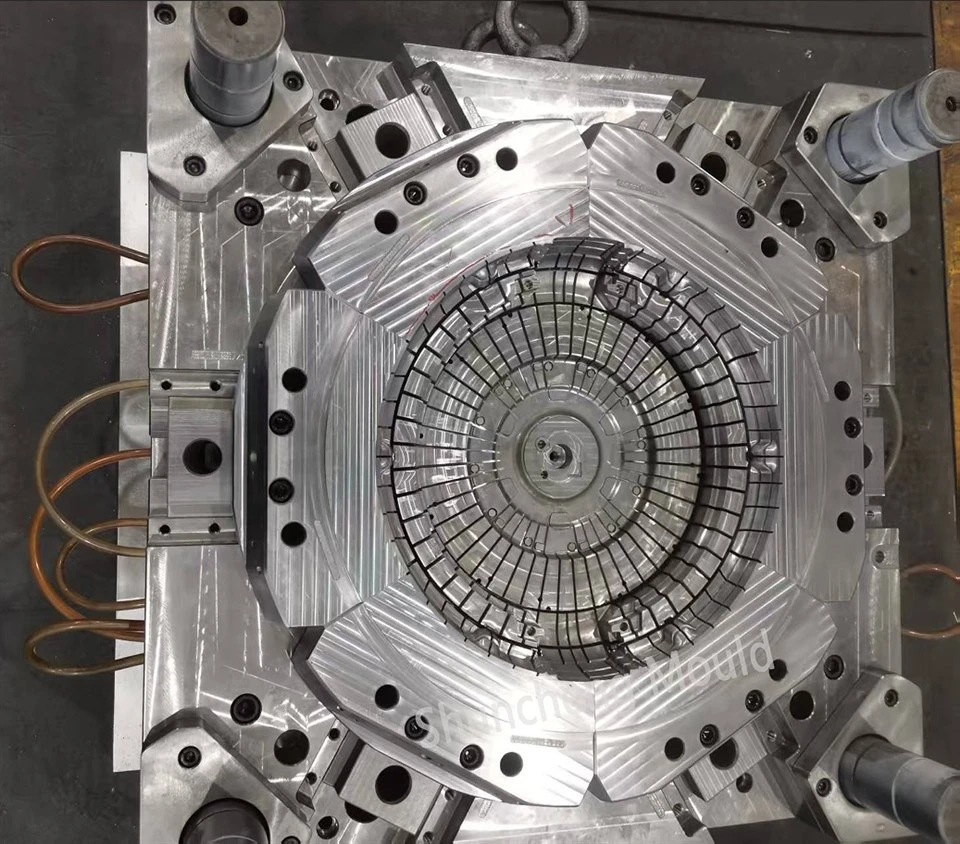
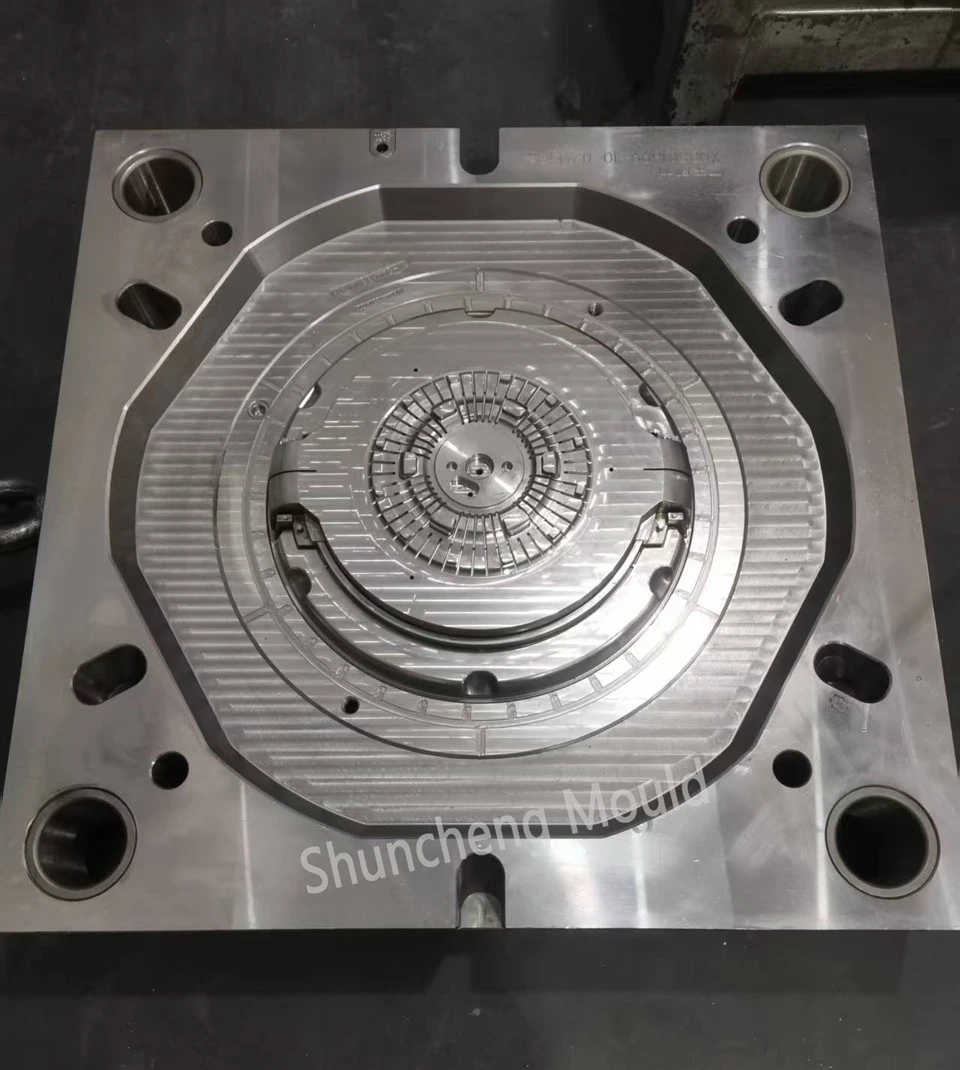
If you're in the market for a high - quality washing machine mould, don't hesitate to reach out to us. We have years of experience in the industry and a team of experts who can ensure that your project is completed on time and to your satisfaction. Whether you need a Washing Machine Control Panel Seat Mould, a Washing Machine Plastic Injection Mold, or any other type of washing machine mould, we've got you covered. Let's start the conversation and get your project off the ground!
References
- "Mould Manufacturing Technology" - A textbook on the principles and processes of mould manufacturing.
- Industry reports on the latest trends and technologies in washing machine mould production.