

As a supplier of Plastic Chair Moulds, I often encounter a common question from clients: "Can I use a plastic chair mould for different types of plastics?" This is a crucial query that delves into the versatility and limitations of plastic chair moulds. In this blog, I'll explore this topic in detail, providing insights based on industry knowledge and practical experience.
Understanding Plastic Chair Moulds
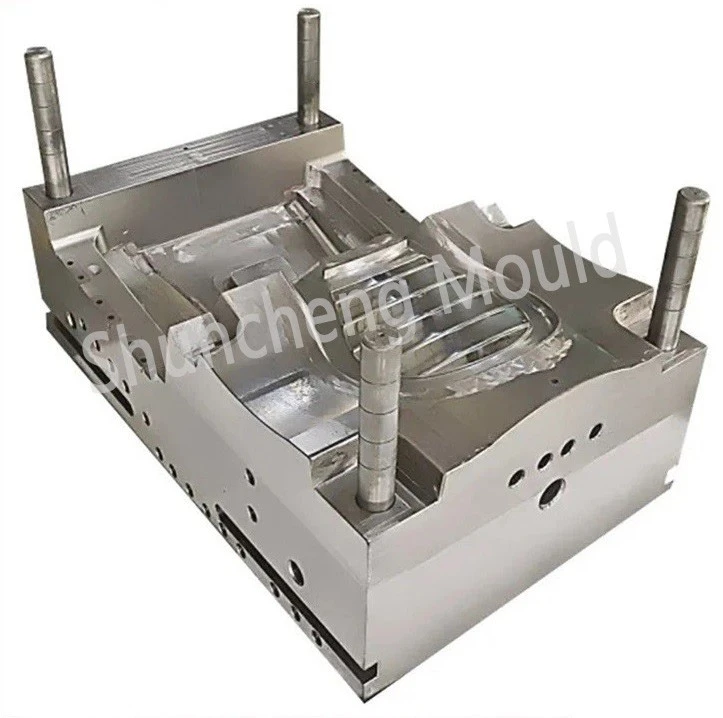
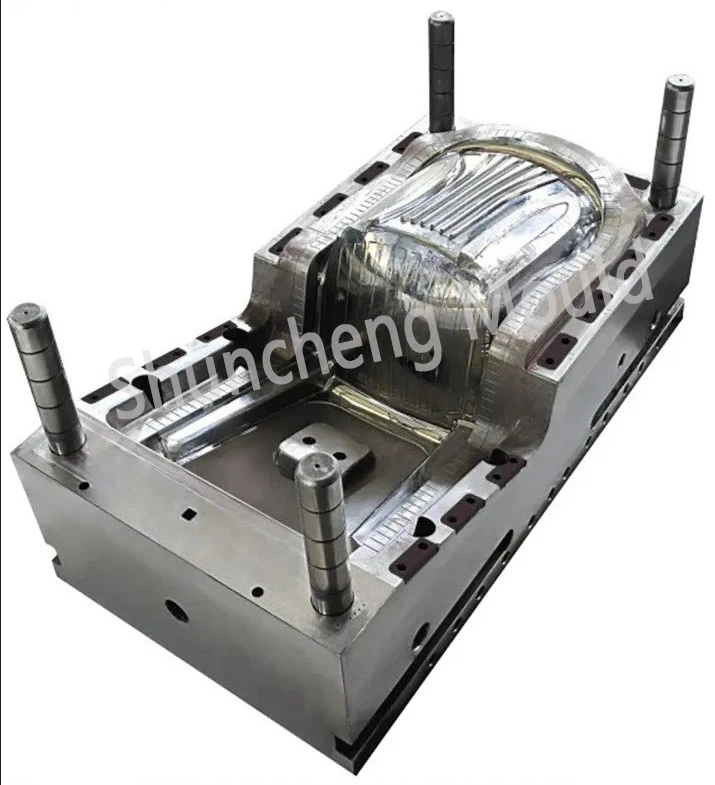
Before we discuss the compatibility of different plastics with plastic chair moulds, it's essential to understand what plastic chair moulds are. Plastic chair moulds are precision - engineered tools used in the manufacturing process of plastic chairs. They are typically made from high - quality steel or aluminum and are designed to shape molten plastic into the desired chair form through processes like injection molding.
There are various types of plastic chair moulds available in the market. For instance, the Plastic Transparent Chair Mould is specifically designed to produce transparent plastic chairs, which require a high - level of clarity and smooth finish. On the other hand, the Plastic Chair Injection Mould and Chair Injection Mould are more general - purpose moulds used for a wide range of plastic chair production.
Types of Plastics Used in Chair Manufacturing
There are several types of plastics commonly used in the production of plastic chairs:
- Polypropylene (PP): PP is a popular choice for plastic chairs due to its excellent chemical resistance, high impact strength, and low cost. It is lightweight and can be easily molded into various shapes. PP chairs are often used in outdoor settings because of their durability and weather - resistance.
- Polyethylene (PE): PE is another widely used plastic. It comes in different densities, such as high - density polyethylene (HDPE) and low - density polyethylene (LDPE). HDPE is known for its high strength and stiffness, making it suitable for heavy - duty chairs. LDPE, on the other hand, is more flexible and has good impact resistance.
- Polystyrene (PS): PS is a rigid and brittle plastic. It is often used for making inexpensive chairs, especially those with a simple design. However, it has relatively low impact strength compared to PP and PE.
- Acrylonitrile Butadiene Styrene (ABS): ABS is a strong and tough plastic with good heat resistance. It is commonly used in the production of high - quality chairs, especially those with a more complex design and better aesthetic appeal.
Compatibility of Plastic Chair Moulds with Different Plastics
The answer to whether a plastic chair mould can be used for different types of plastics is both yes and no, and it depends on several factors:
1. Mould Design
The design of the plastic chair mould plays a significant role in its compatibility with different plastics. Some moulds are designed with specific plastics in mind. For example, a mould designed for a thin - walled transparent chair made of PS may not work well with a thick - walled chair made of PP. The flow channels, gate design, and cooling system in the mould are optimized for the properties of a particular plastic. If you try to use a mould designed for a low - viscosity plastic with a high - viscosity plastic, the plastic may not flow evenly through the mould, resulting in defects such as short shots or uneven wall thickness.
2. Melting and Processing Temperatures
Different plastics have different melting and processing temperatures. PP typically has a melting point in the range of 160 - 170°C, while ABS has a higher melting point of around 220 - 250°C. If a mould is designed to work with a plastic that has a lower melting temperature and you use a plastic with a much higher melting temperature, the mould may not be able to withstand the heat, leading to deformation or damage. Similarly, if you use a plastic with a lower melting temperature than the mould is designed for, the plastic may not fully melt and solidify properly, resulting in a poor - quality chair.
3. Shrinkage Rate
Each plastic has its own shrinkage rate during the cooling and solidification process. For example, PP has a relatively high shrinkage rate of about 1 - 2%, while ABS has a lower shrinkage rate of around 0.4 - 0.7%. If a mould is designed for a plastic with a certain shrinkage rate and you use a plastic with a different shrinkage rate, the final dimensions of the chair may deviate from the intended design. This can lead to issues such as poor fit, warping, or difficulty in assembly.
4. Surface Finish Requirements
Some plastics require a specific surface finish on the mould to achieve the desired appearance on the final chair. For example, a plastic that is used to make a glossy chair may need a highly polished mould surface. If you use a mould with a rough surface finish for a plastic that requires a smooth and shiny finish, the chair may have a dull or uneven appearance.
When It Is Possible to Use a Mould for Different Plastics
In some cases, it is possible to use a plastic chair mould for different types of plastics:
- Similar Plastic Properties: If the plastics have similar properties in terms of viscosity, melting temperature, shrinkage rate, and surface finish requirements, a single mould can be used. For example, some grades of PP and PE have relatively similar properties, and a mould designed for one may be used for the other with minor adjustments to the processing parameters.
- Adjustable Processing Parameters: By adjusting the processing parameters such as injection pressure, temperature, and cooling time, it may be possible to use a mould for different plastics. However, this requires a high level of expertise and experience in plastic processing.
Benefits and Drawbacks of Using a Single Mould for Different Plastics
Benefits
- Cost - Savings: Using a single mould for different plastics can reduce the cost of mould manufacturing. Instead of investing in multiple moulds for different types of chairs made from different plastics, you can use one mould for a variety of products.
- Flexibility: It allows for greater flexibility in production. You can quickly switch between different plastics based on market demand or material availability.
Drawbacks
- Quality Issues: As mentioned earlier, using a single mould for different plastics may lead to quality issues such as defects in the chair's appearance, dimensions, or mechanical properties.
- Increased Processing Complexity: Adjusting the processing parameters for different plastics can be challenging and time - consuming. It requires a skilled operator and may result in longer production cycles.
Conclusion
In conclusion, while it is possible to use a plastic chair mould for different types of plastics in some cases, it is not always straightforward. The compatibility depends on various factors such as mould design, plastic properties, and processing parameters. As a Plastic Chair Mould supplier, we can provide you with professional advice on whether a particular mould can be used for different plastics based on your specific requirements.
If you are interested in purchasing plastic chair moulds or have any questions regarding the compatibility of moulds with different plastics, we are here to assist you. Our team of experts can help you choose the right mould for your production needs and provide guidance on the best practices for using it. Feel free to contact us for more information and to start a procurement discussion.
References
- "Plastics Processing Handbook" by O. Olabisi
- "Injection Molding Handbook" by Rosato, Rosato, and Coates