

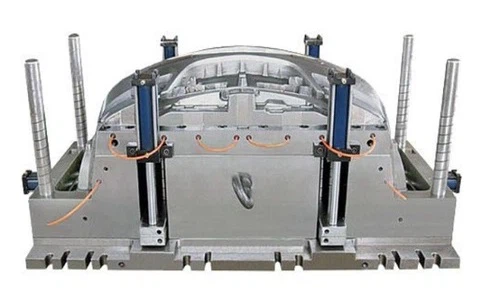
As a front bumper mould supplier, I understand the importance of maintaining and repairing these crucial tools. Front bumper moulds are subjected to high pressures, temperatures, and wear during the manufacturing process, which can lead to various issues over time. In this blog post, I will discuss some common repair methods for front bumper moulds, providing practical insights based on my experience in the industry.
1. Surface Damage Repair
Surface damage is one of the most common problems in front bumper moulds. It can be caused by factors such as abrasion, corrosion, and improper handling. Here are some repair methods for surface damage:
Polishing
Polishing is a simple and effective way to repair minor surface scratches and roughness. By using polishing tools and abrasives, we can restore the smoothness of the mould surface. This not only improves the appearance of the mould but also enhances the quality of the produced bumpers. For example, if the mould surface has small scratches due to the release of the bumper during the injection - moulding process, polishing can eliminate these marks.
Electroplating
When the surface damage is more severe, electroplating can be a viable solution. Electroplating involves depositing a thin layer of metal, such as chrome or nickel, onto the mould surface. This can improve the hardness, wear resistance, and corrosion resistance of the mould. For instance, if the mould is in a high - humidity environment and has started to corrode, electroplating can provide a protective layer to prevent further damage.
Welding and Machining
In cases where there are deep grooves or large - scale surface damage, welding and machining may be required. First, the damaged area is welded using appropriate welding materials. After welding, the area is machined to the correct dimensions and surface finish. This method is more complex and requires skilled technicians. For example, if a large piece of the mould surface has been chipped off due to a collision, welding and machining can be used to restore its original shape.
2. Cavity and Core Repair
The cavity and core are the key parts of the front bumper mould, which directly determine the shape and size of the bumper. Repairing these parts requires high precision.
EDM (Electrical Discharge Machining)
EDM is a non - traditional machining method that can be used to repair small - scale damage in the cavity and core. It uses electrical discharges to remove material from the mould surface. This method is suitable for repairing fine details and complex shapes. For example, if there is a small crack or burr in the cavity, EDM can be used to precisely remove or reshape the damaged area without affecting the surrounding parts.
Insert Replacement
If the damage in the cavity or core is too severe to be repaired, insert replacement may be necessary. Inserts are pre - manufactured parts that can be installed into the mould. This method is relatively fast and can restore the functionality of the mould. For example, if a specific area of the core has been severely worn out and cannot be repaired through other methods, replacing the insert can quickly get the mould back into production.
3. Cooling Channel Repair
The cooling channels in the front bumper mould play a crucial role in controlling the temperature during the injection - moulding process. Blocked or damaged cooling channels can lead to uneven cooling, which affects the quality of the bumper.
Flushing
If the cooling channels are blocked by debris or scale, flushing can be used to clean them. A high - pressure flushing system is used to force a cleaning solution through the channels to remove the blockages. This is a simple and cost - effective way to maintain the normal operation of the cooling system. For example, if the cooling water contains a lot of impurities, over time, these impurities may accumulate in the channels and cause blockages, which can be solved by flushing.
Drilling and Re - routing
In some cases, the cooling channels may be damaged beyond repair. In such situations, drilling new cooling channels or re - routing the existing ones may be needed. This requires careful design and planning to ensure the effectiveness of the new cooling system. For example, if a section of the cooling channel has been damaged due to corrosion and cannot be repaired by flushing, drilling a new channel in a different location can be a solution.
4. Alignment and Assembly Repair
Proper alignment and assembly of the front bumper mould are essential for its normal operation. Misalignment can cause problems such as uneven wall thickness of the bumper and difficulty in mould opening and closing.
Adjustment of Guide Pins and Bushings
Guide pins and bushings are used to ensure the correct alignment of the mould parts. Over time, these parts may wear out or become misaligned. By adjusting or replacing the guide pins and bushings, the alignment of the mould can be restored. For example, if the guide pins are worn out, the mould may not close properly, resulting in flash on the bumper. Replacing the guide pins can solve this problem.
Assembly Inspection and Readjustment
Regular assembly inspection is necessary to detect any misalignment or loose parts. During the inspection, all the components of the mould are checked for proper fit and alignment. If any issues are found, the mould is disassembled, adjusted, and reassembled. This helps to ensure the overall performance of the mould. For example, if the mould has been transported or stored for a long time, the assembly may be affected, and a thorough inspection and readjustment are required.
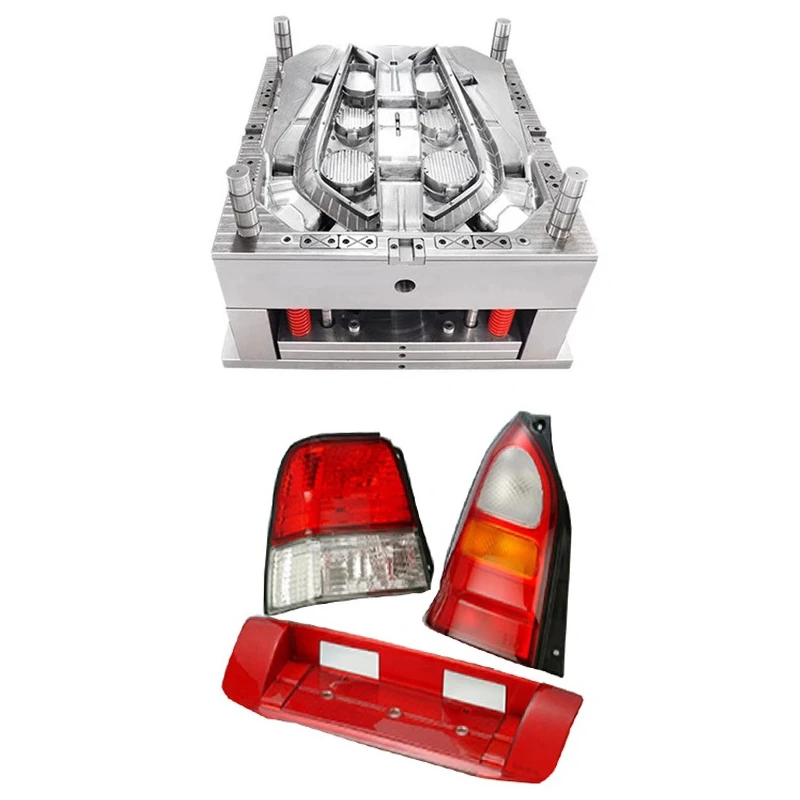
In conclusion, maintaining and repairing front bumper moulds is a complex but necessary task. By using the appropriate repair methods, we can extend the service life of the moulds, improve the quality of the produced bumpers, and reduce production costs. If you are interested in our Car Front Bumper Mold, Rear Bumper Mould, or Car Lamp Injection Mold, please feel free to contact us for more information and to discuss your procurement needs.
References
- "Injection Molding Handbook" by O. Olszewski
- "Mould Design and Manufacturing" by Zhang San