

When it comes to the manufacturing and supply of grille moulds, one of the most crucial aspects that often gets overlooked is the proper storage condition. As a grille mould supplier, I understand firsthand the importance of maintaining the integrity and quality of these moulds during storage. In this blog post, I will delve into the key factors that determine the ideal storage conditions for grille moulds, and why they are essential for ensuring their longevity and performance.
1. Temperature Control
Temperature plays a significant role in the storage of grille moulds. Extreme temperatures can lead to thermal expansion and contraction, which can cause the mould to warp, crack, or lose its dimensional accuracy. Therefore, it is recommended to store grille moulds in an environment with a stable temperature.
The optimal temperature range for storing grille moulds is typically between 20°C and 25°C (68°F - 77°F). This range helps to minimize the effects of thermal stress on the mould material. If the storage area is subject to significant temperature fluctuations, it may be necessary to install a temperature - controlled system, such as an air - conditioning unit or a heater, to maintain a consistent temperature.
2. Humidity Management
Humidity is another critical factor that can impact the quality of grille moulds. High humidity levels can cause rust and corrosion on the metal components of the mould, especially if the mould is made of steel or other ferrous materials. Rust not only damages the surface of the mould but can also affect its functionality, leading to poor - quality grille production.
To prevent rust and corrosion, the relative humidity in the storage area should be kept below 50%. A dehumidifier can be used to reduce humidity levels if the environment is naturally humid. Additionally, it is advisable to store grille moulds in a sealed container or wrap them in a moisture - resistant material, such as plastic sheeting, to provide an extra layer of protection against moisture.
3. Cleanliness and Dust Prevention
A clean storage environment is essential for grille moulds. Dust and other contaminants can accumulate on the surface of the mould, which can affect the finish of the grilles produced. Fine particles of dust can also get into the moving parts of the mould, causing friction and wear over time.
The storage area should be regularly cleaned to remove dust and debris. Floors should be swept and mopped, and shelves and racks should be wiped down. It is also a good practice to cover the grille moulds with protective covers when they are not in use to prevent dust from settling on them.
4. Proper Support and Positioning
Grille moulds are often heavy and have irregular shapes. Improper support during storage can lead to deformation of the mould. When storing grille moulds, they should be placed on a flat, stable surface. If the mould is large, it may be necessary to use a custom - made storage rack to ensure proper support.
The mould should be positioned in a way that minimizes stress on its structure. For example, if the mould has thin or delicate sections, they should be supported properly to prevent bending or cracking. Avoid stacking moulds on top of each other unless they are specifically designed for stacking, as this can cause damage to the lower moulds.
5. Protection from Physical Damage
Grille moulds are valuable assets, and they need to be protected from physical damage during storage. This includes avoiding impacts, scratches, and dents. The storage area should be well - organized to prevent accidental collisions with other objects.
If possible, the storage area should be restricted to authorized personnel only to minimize the risk of damage. When handling the grille moulds, appropriate lifting equipment, such as a crane or a forklift, should be used to ensure safe and proper handling.
6. Regular Inspection
Even under optimal storage conditions, it is essential to conduct regular inspections of the grille moulds. Regular inspections can help to detect any signs of damage, corrosion, or wear early on, allowing for timely repairs or maintenance.
Inspections should be carried out at least once every few months. During the inspection, check the surface of the mould for any signs of rust, cracks, or deformation. Also, examine the moving parts, such as ejector pins and slides, to ensure they are operating smoothly.
Types of Grille Moulds and Their Specific Storage Needs
Different types of grille moulds may have specific storage requirements based on their design and materials.
Air Conditioner Grille Mold
For Air Conditioner Grille Mold, which are often made of high - precision plastic injection moulds, they need to be stored in a clean and dust - free environment to maintain their fine details. Since they are used for mass - producing air conditioner grilles, any damage to the mould can lead to significant production losses.
Automotive Radiator Grille Tooling Mold
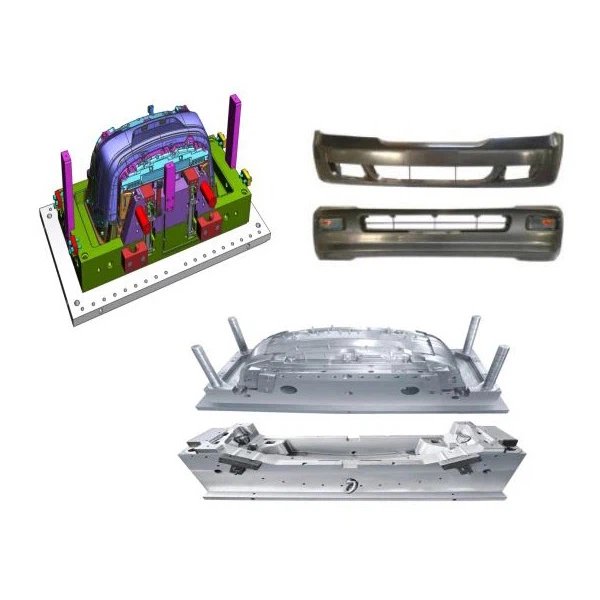
Automotive Radiator Grille Tooling Mold are usually larger and more complex. They are often made of high - strength steel to withstand the high - pressure injection molding process. Due to their size and weight, proper support and positioning are crucial during storage. They may also require more frequent inspections to ensure their structural integrity.
Grille Cover Mould
Grille Cover Mould can vary in size and material. Some may be used for producing small plastic grille covers, while others are for larger metal or composite ones. The storage conditions need to be adjusted according to the specific material and design of the mould. For example, plastic grille cover moulds are more sensitive to temperature changes compared to metal ones.

Conclusion
Proper storage conditions are vital for maintaining the quality and performance of grille moulds. By controlling temperature, humidity, ensuring cleanliness, providing proper support, protecting from physical damage, and conducting regular inspections, we can significantly extend the lifespan of the moulds.
If you are in the market for high - quality grille moulds or need advice on their storage and maintenance, we would love to assist you. Whether you are looking for Air Conditioner Grille Mold, Automotive Radiator Grille Tooling Mold, or Grille Cover Mould, we have the expertise and products to meet your needs. Contact us today to start a discussion about your grille mould requirements.
References
- "Mold Design and Manufacturing Handbook", Industry Press
- "Plastic Injection Molding Technology", ASM International