

Yo, what's up, fellow car enthusiasts and industry peeps! I'm stoked to chat about one of the key players in the auto parts game: the rear bumper mould. As a rear bumper mould supplier, I've seen how these bad boys can make or break a production line. So, let's dig into the lifespan of a rear bumper mould.
What Affects the Lifespan of a Rear Bumper Mould?
First off, it's important to know that a bunch of factors can influence how long a rear bumper mould lasts. One of the biggies is the material used to make the mould. High - quality steel is usually the go - to because it can withstand the high pressure and temperatures involved in the injection - moulding process. But even within the world of steel, there are different grades. Higher - grade steels tend to have better wear resistance, corrosion resistance, and toughness, which can significantly extend the mould's lifespan.
Another factor is the design of the mould. A well - designed mould distributes stress evenly during the injection process. If the design has weak points or areas where stress concentrates, it can lead to cracks and premature failure. For example, sharp corners or thin sections in the mould design are more likely to experience stress fractures.
The operating conditions also play a huge role. How often the mould is used, the temperature at which it operates, and the type of plastic resin being injected all matter. If the mould is running non - stop in a high - temperature environment with abrasive plastic materials, it's going to wear out faster than one used less frequently with softer plastics.
General Lifespan Estimates
On average, a rear bumper mould can last anywhere from 100,000 to 1 million cycles. But that's a pretty wide range, right? Well, it depends on those factors we just talked about.
If you're using a top - notch mould made from high - grade steel, with a smart design and operating it under relatively mild conditions, you could push towards the million - cycle mark. For instance, if you're injecting a soft, non - abrasive plastic resin at a moderate temperature and giving the mould regular maintenance breaks, it has a good chance of long - term survival.
On the other hand, if you're using a lower - grade material, the design has flaws, and you're running the mould at high speeds with abrasive plastics, you might be lucky to get 100,000 cycles out of it.
Maintenance: The Key to Longevity
You know what they say, maintenance is king! Regular maintenance can really stretch the lifespan of a rear bumper mould. This includes cleaning the mould after each cycle to remove any plastic residue, checking for signs of wear and tear, and lubricating the moving parts.
Inspections are also crucial. You should be checking for cracks, corrosion, and any other damage on a routine basis. Catching these issues early can prevent them from turning into major problems that could end the mould's life prematurely.
And let's not forget about proper storage. When the mould isn't in use, it should be stored in a dry, clean environment. This helps prevent rust and corrosion, which can eat away at the mould over time.
Comparing with Other Auto Parts Moulds
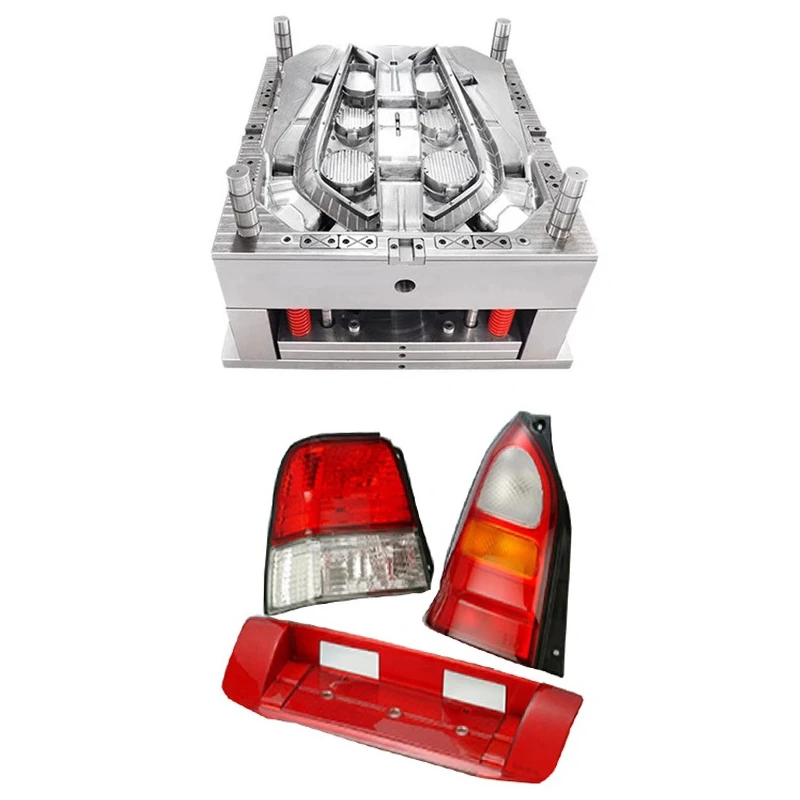
It's interesting to compare the lifespan of a rear bumper mould with other types of auto parts moulds. For example, a Car Lamp Injection Mold might have a different lifespan because of the different shape, size, and the type of plastic used. Car lamp injection moulds often have more intricate designs, which can lead to more stress in certain areas. This could potentially shorten their lifespan compared to a rear bumper mould.
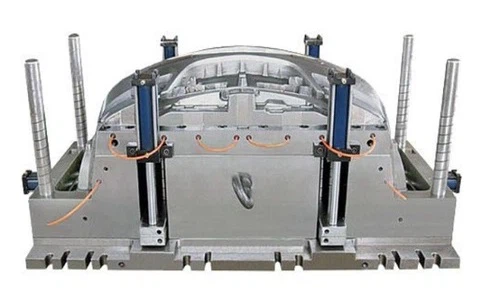
Similarly, Car Front Bumper Mold and Front Bumper Mould might have slightly different lifespans. Front bumpers often have different design requirements and may need to undergo different levels of stress during the injection process. So, it's not a one - size - fits - all situation when it comes to the lifespan of auto parts moulds.
When is it Time to Replace?
Figuring out when to replace a rear bumper mould can be tricky. Sometimes, the signs are obvious, like when there are big cracks or the mould is no longer producing parts within the required specifications. But other times, it's more subtle.
You might notice that the parts are starting to have cosmetic defects, like surface roughness or uneven color. This could be a sign that the mould is wearing out and not performing as well as it used to. You might also see a decrease in production efficiency, with longer cycle times or more frequent jams.
If you're constantly having to make adjustments to the injection process to get acceptable parts, it's probably time to think about replacing the mould. It might be a tough decision because moulds are a significant investment, but it's often more cost - effective in the long run to replace a worn - out mould than to keep trying to patch it up.
Why Choose Our Rear Bumper Moulds
As a rear bumper mould supplier, I can tell you that we put a lot of effort into making high - quality moulds. We use the best materials available and have a team of experienced designers who create moulds that distribute stress evenly. Our moulds are built to last, and we stand behind the quality of our products.
We also offer maintenance services to help you keep your moulds in top condition. Whether it's a simple cleaning or a more in - depth inspection, we've got you covered.
Let's Connect!
If you're in the market for a rear bumper mould or want to learn more about extending the lifespan of your existing moulds, don't hesitate to reach out. We're here to help you make the best decisions for your production line. Whether you're a small - scale manufacturer or a big - time automotive company, we've got solutions that can work for you.
Let's start a conversation and see how we can improve your auto parts production with our top - notch rear bumper moulds!
References
- "Injection Moulding Technology" by A. Ian Isayev
- "Mould Design for Plastics Injection Moulding" by J. A. Shaw