

As a seasoned supplier of Washing Machine Moulds, I've spent years immersed in the intricate world of mould manufacturing. One often-overlooked yet crucial aspect of these moulds is the parting line. In this blog, I'll delve into the significance of the parting line in a washing machine mould, exploring its impact on the manufacturing process, the quality of the final product, and the overall efficiency of production.
Understanding the Parting Line
The parting line in a washing machine mould is the boundary where the two halves of the mould meet. When the mould is closed, this line separates the core and the cavity, which are the two main components used to form the shape of the washing machine part. The design and placement of the parting line are carefully considered during the mould design phase, as they can have far-reaching implications for the entire manufacturing process.
Impact on Manufacturing Process
One of the primary functions of the parting line is to facilitate the ejection of the finished part from the mould. After the plastic material is injected into the mould and has cooled and solidified, the two halves of the mould need to separate along the parting line. This allows the part to be ejected from the mould cavity. A well-designed parting line ensures that the part can be ejected smoothly without causing any damage to the part or the mould.
For example, if the parting line is not properly placed, the part may get stuck in the mould, leading to production delays and potential damage to the mould. This can result in increased production costs and reduced efficiency. On the other hand, a well-placed parting line can significantly improve the ejection process, allowing for faster cycle times and higher production volumes.
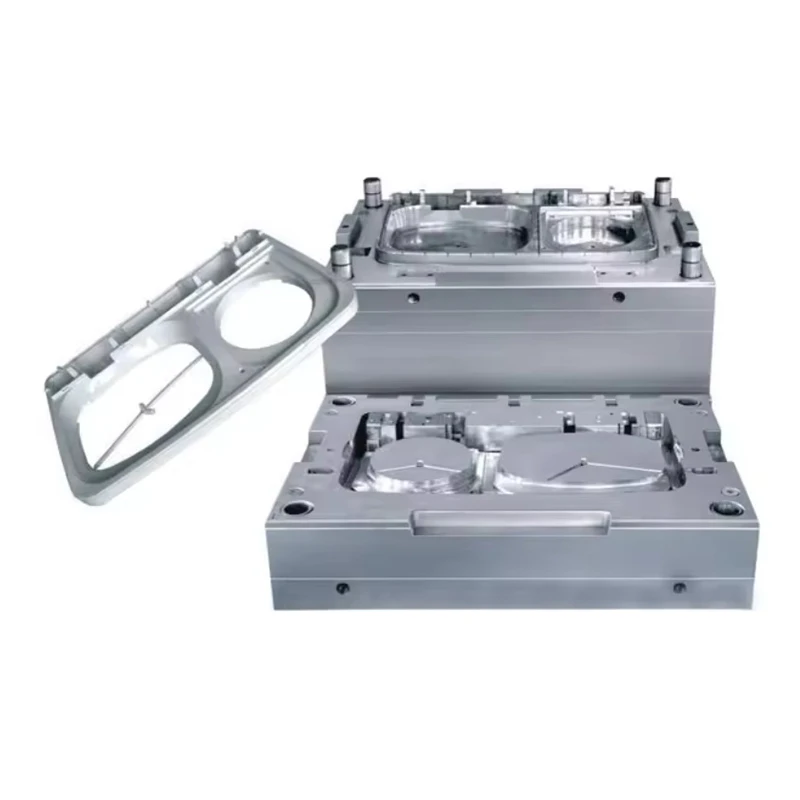
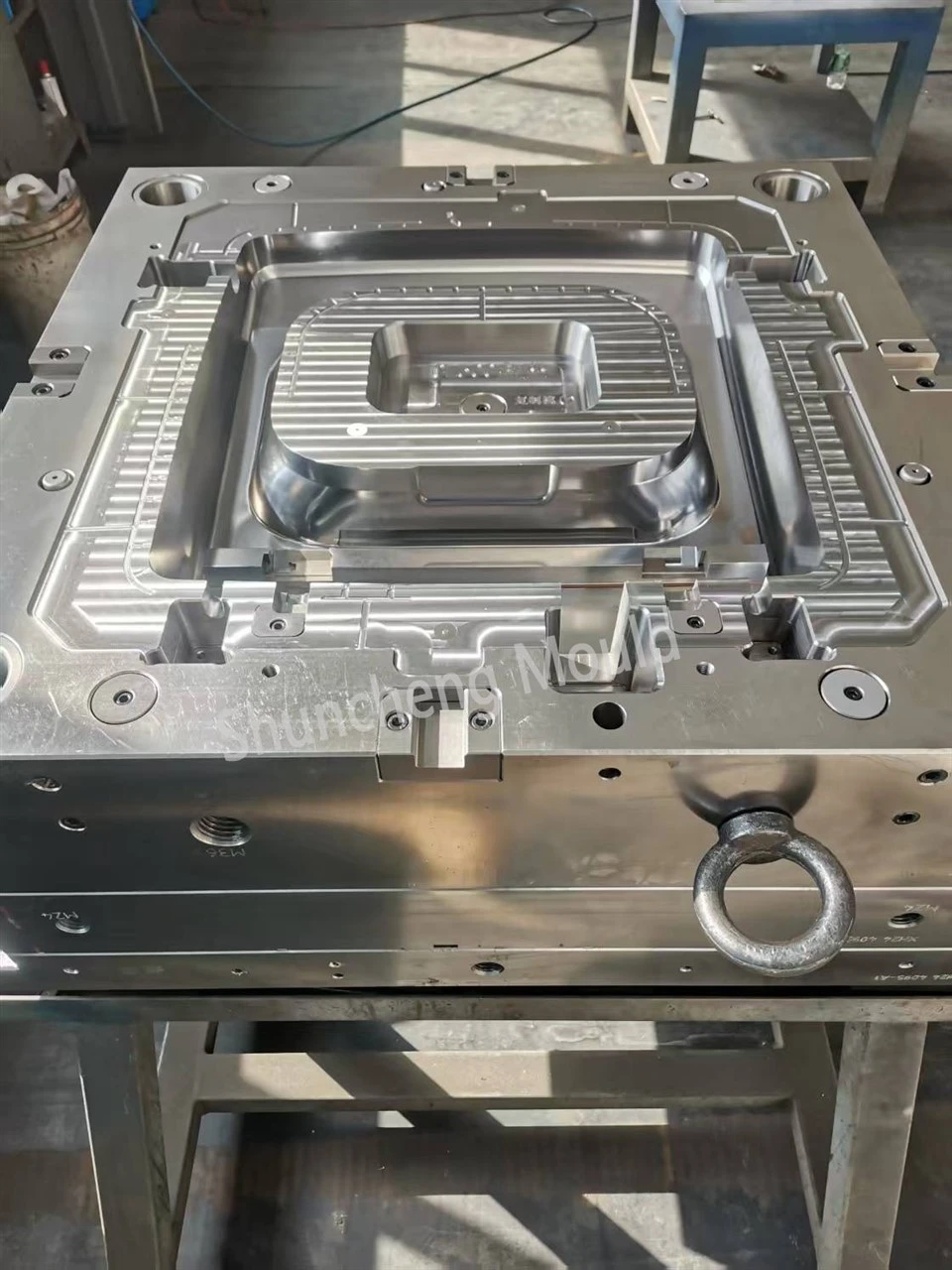
Another important aspect of the parting line is its role in the injection process. The parting line determines the location of the gate, which is the point where the plastic material enters the mould cavity. The gate design and location are critical for ensuring proper filling of the mould and uniform distribution of the plastic material. A well-designed parting line can help optimize the gate location, reducing the risk of defects such as air traps, weld lines, and uneven wall thickness.
Influence on Product Quality
The parting line also has a direct impact on the quality of the final washing machine part. One of the most obvious effects is the appearance of the part. The parting line leaves a visible mark on the surface of the part, which can affect its aesthetic appeal. A poorly designed parting line can result in a rough or uneven mark, making the part look unprofessional.
In addition to the appearance, the parting line can also affect the structural integrity of the part. If the parting line is not properly aligned or sealed, it can lead to leaks or weak points in the part. This can compromise the performance and durability of the washing machine, leading to potential customer complaints and warranty claims.
To ensure high-quality products, it's essential to design the parting line in a way that minimizes its impact on the appearance and structural integrity of the part. This may involve using advanced mould design techniques, such as precision machining and surface finishing, to create a smooth and seamless parting line.
Optimization for Efficiency
Efficiency is a key concern in the manufacturing industry, and the parting line plays a crucial role in optimizing the production process. By carefully designing the parting line, manufacturers can reduce the amount of waste generated during the manufacturing process. For example, a well-placed parting line can minimize the amount of excess plastic material that needs to be trimmed off the part after ejection, reducing material costs and improving overall efficiency.
Moreover, a well-designed parting line can also improve the overall productivity of the manufacturing process. By reducing the risk of part sticking and improving the ejection process, manufacturers can increase the number of parts produced per hour, leading to higher production volumes and lower production costs.
Real-World Applications
In the real world, the significance of the parting line in a washing machine mould can be seen in various applications. For instance, in the production of Plastic Washing Machine Mould, the parting line design is crucial for ensuring the proper fit and function of the plastic components. A well-designed parting line can help create a seamless and durable plastic part, which is essential for the performance and longevity of the washing machine.
Similarly, in the manufacturing of Washing Machine Injection Mould, the parting line plays a vital role in the injection process. By optimizing the parting line and gate location, manufacturers can ensure that the plastic material is evenly distributed throughout the mould cavity, resulting in high-quality injection-moulded parts.
Another example is the production of Washing Machine Seat Mould. The parting line design for the seat mould is critical for ensuring the comfort and stability of the washing machine seat. A well-designed parting line can help create a smooth and comfortable seat surface, while also ensuring the structural integrity of the seat.
Conclusion
In conclusion, the parting line in a washing machine mould is a critical element that has a significant impact on the manufacturing process, product quality, and overall efficiency. As a Washing Machine Mould supplier, I understand the importance of designing the parting line with precision and care. By optimizing the parting line design, we can help our customers produce high-quality washing machine parts that meet the highest standards of performance and durability.
If you're in the market for high-quality washing machine moulds, I encourage you to reach out to us. Our team of experienced engineers and designers can work with you to create custom moulds that are tailored to your specific needs. We're committed to providing our customers with the best possible products and services, and we look forward to the opportunity to work with you.
References
- Boothroyd, G., Dewhurst, P., & Knight, W. (2011). Product Design for Manufacture and Assembly. CRC Press.
- Rosato, D. V., & Rosato, D. V. (2000). Injection Molding Handbook. Kluwer Academic Publishers.
- Throne, J. L. (1996). Thermoplastic Molding: Materials, Processes, and Applications. Marcel Dekker.