

Hey there! As a supplier of Grille Cover Mould, I'm super stoked to share with you the ins and outs of the quality control process for these moulds. It's a crucial part of our business, and getting it right is key to delivering top-notch products to our customers.
Starting with the Design Phase
The quality control journey begins long before any physical work on the mould starts. It all kicks off in the design phase. We have a team of experienced designers who are like wizards with CAD software. They take the customer's requirements, which could range from the size, shape, and pattern of the grille cover, and turn them into detailed 3D models.
During this stage, we run a bunch of simulations. We check things like how the molten plastic will flow into the mould. If there are any areas where the plastic might not fill properly or where air might get trapped, we can spot it early on. This helps us make adjustments to the design, so when we actually start making the mould, we're not going to run into those issues. It's like building a road map before setting off on a journey.
Material Selection: The Foundation of Quality
Once the design is finalized, it's time to pick the right materials. We don't just grab any old metal and start cutting. The choice of material for the grille cover mould is super important because it directly affects the mould's durability, performance, and the quality of the final grille covers.
We usually go for high-quality tool steels. These steels have great hardness, toughness, and wear resistance. They can withstand the high pressures and temperatures that come with the injection molding process. We source our materials from trusted suppliers, and we always ask for material certificates. These certificates tell us all about the material's properties, like its chemical composition and mechanical strength. This way, we can be sure that we're using the best stuff for our moulds.
Machining and Precision Work
After getting the materials, it's time for the machining process. This is where the raw metal starts to take the shape of the grille cover mould. We use advanced CNC (Computer Numerical Control) machines. These machines are super precise. They can cut, drill, and mill the metal with incredible accuracy, down to the tiniest fraction of a millimeter.
During machining, we have quality control checks at every step. We use measuring tools like calipers, micrometers, and coordinate measuring machines (CMMs). The CMMs are like high-tech detectives. They can measure the dimensions of the machined parts and compare them to the design specifications. If there's any deviation, even a small one, we can catch it right away and make the necessary adjustments. This ensures that every part of the mould is exactly as it should be.
Heat Treatment: Strengthening the Mould
Once the machining is done, the mould goes through heat treatment. This is like giving the mould a strength boost. Heat treatment involves heating the mould to a specific temperature and then cooling it down at a controlled rate. This process changes the internal structure of the metal, making it harder and more resistant to wear.
But heat treatment is a delicate process. If the temperature or the cooling rate is off, it can cause problems like warping or cracking. So, we closely monitor the heat treatment process. We use thermocouples to measure the temperature at different points in the mould. And we follow strict heat treatment schedules based on the type of material and the design of the mould. After heat treatment, we do another round of inspections to make sure the mould hasn't been damaged and that its properties are as expected.
Surface Finishing: A Smooth Touch
The surface finish of the grille cover mould is really important. A smooth surface helps the plastic flow easily during the injection molding process and also gives the final grille covers a nice, clean look. We use different methods for surface finishing, like polishing and texturing.
Polishing is done to remove any rough spots or tool marks on the surface of the mould. We start with coarse abrasives and then gradually move to finer ones until we get a mirror-like finish. Texturing, on the other hand, is used to create specific patterns or textures on the grille covers. This can add a unique look and feel to the products.
During surface finishing, we also have quality control. We use visual inspections and surface roughness testers. The surface roughness testers can measure how smooth or rough the surface is. We make sure that the surface finish meets the customer's requirements and industry standards.
Assembly and Testing
Once all the individual parts of the grille cover mould are ready, it's time to assemble them. This is like putting together a puzzle, but with a lot more precision. We have a team of skilled assemblers who carefully fit all the parts together, making sure that everything lines up perfectly.
After assembly, we do a comprehensive testing of the mould. We use a test injection molding machine. We inject plastic into the mould to see how it performs. We check things like the filling time, the pressure required, and the quality of the produced grille covers. If there are any issues, like flash (extra plastic around the edges) or short shots (where the plastic doesn't fill the entire mould), we can troubleshoot and make adjustments.
We also test the mould's durability. We run multiple injection cycles to see how the mould holds up over time. This helps us identify any potential problems that might occur during long-term use. If everything checks out, then the mould is ready to be shipped to the customer.
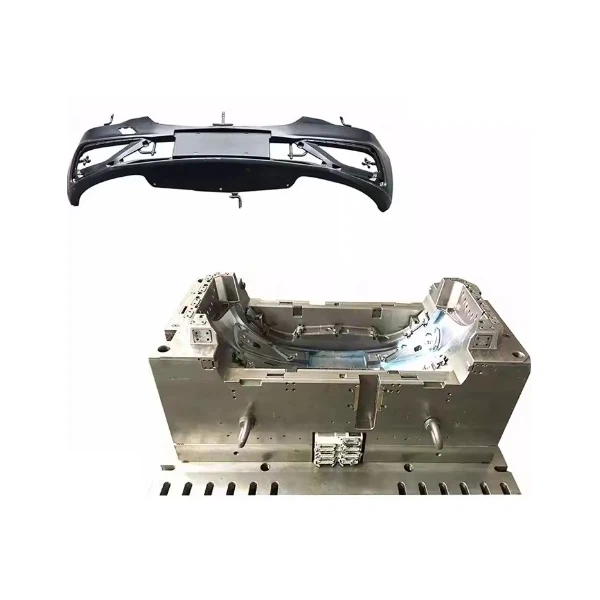

Other Types of Grille Moulds
We also offer other types of grille moulds, like Radiator Grille Mould and Air Conditioner Grille Mold. The quality control process for these moulds is similar to that of the grille cover moulds. We follow the same strict standards in design, material selection, machining, and testing. Each type of mould has its own unique requirements, but our commitment to quality remains the same.
Why Quality Control Matters
You might be wondering, why all this fuss about quality control? Well, for starters, a high-quality grille cover mould means high-quality grille covers. The grille covers are often visible parts of a vehicle or an appliance, so their appearance and quality matter a lot. A good mould can produce grille covers that are consistent in size, shape, and finish.
Secondly, a well-made mould lasts longer. It can withstand the rigors of the injection molding process for a long time without wearing out or breaking down. This means that our customers can use the mould to produce a large number of grille covers without having to replace it frequently, which saves them money in the long run.
Contact Us for Your Grille Cover Mould Needs
If you're in the market for a high-quality grille cover mould or any other type of grille mould, we'd love to hear from you. Our quality control process ensures that you'll get a mould that meets your exact requirements and performs flawlessly. Whether you need a custom design or a standard grille cover mould, we've got you covered. So, don't hesitate to reach out to us and start the conversation about your grille mould needs.
References
- "Tool and Die Making Handbook"
- "Injection Molding Handbook"
- Industry reports on automotive and appliance grille manufacturing