

The lifespan of a front bumper mould is a critical factor for both manufacturers and suppliers in the automotive industry. As a front bumper mould supplier, I've witnessed firsthand the importance of understanding this aspect. It not only affects the production efficiency but also has a significant impact on the overall cost - effectiveness of the manufacturing process.
Factors Influencing the Lifespan of a Front Bumper Mould
Material Quality
The quality of the material used to make the front bumper mould is perhaps the most fundamental factor. High - grade steel alloys are commonly used due to their excellent mechanical properties. For instance, tool steels like P20 and H13 are popular choices. P20 steel offers good machinability and polishability, making it suitable for the initial stages of mould production. H13 steel, on the other hand, has high thermal fatigue resistance, which is crucial as the mould is subjected to repeated heating and cooling cycles during the injection - molding process. A mould made from high - quality steel can withstand more injection cycles, thus extending its lifespan.
Design and Engineering
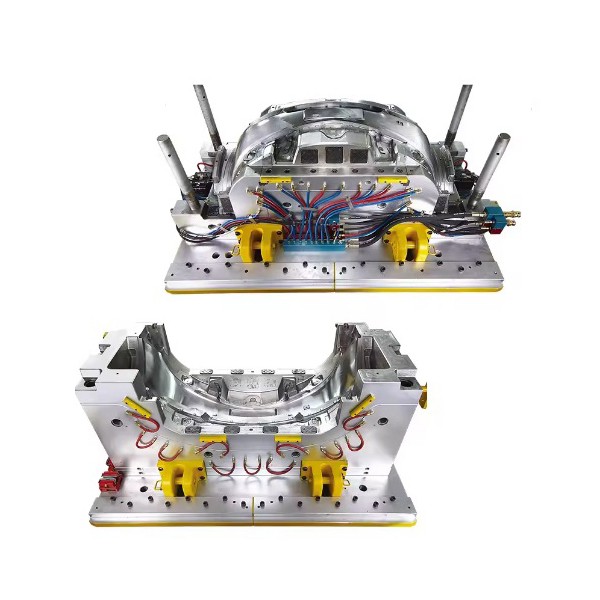
The design of the front bumper mould plays a vital role in determining its longevity. A well - designed mould should have proper cooling channels. Efficient cooling helps to reduce the cycle time of the injection - molding process and also minimizes thermal stress on the mould. If the cooling channels are poorly designed, it can lead to uneven cooling, causing warping and cracking in the mould over time. Additionally, the parting line design, gating system, and ejection mechanism should be carefully engineered. A well - thought - out gating system ensures uniform filling of the mould cavity, preventing issues such as air traps and short shots, which can damage the mould.
Operating Conditions
The conditions under which the front bumper mould operates have a direct impact on its lifespan. The injection pressure, temperature, and cycle time are key parameters. Excessive injection pressure can put undue stress on the mould, leading to premature wear and tear. Similarly, high operating temperatures can cause the mould material to expand and contract, which may result in fatigue cracking. Moreover, a short cycle time may not allow the mould to cool properly between injections, increasing the risk of thermal damage.
Maintenance and Care
Proper maintenance is essential for extending the lifespan of a front bumper mould. Regular cleaning of the mould helps to remove any residual plastic, dirt, or debris that can accumulate during the injection - molding process. Lubrication of moving parts, such as the ejection pins and slides, is also crucial. This reduces friction and wear, ensuring smooth operation. In addition, periodic inspection of the mould for signs of wear, damage, or corrosion is necessary. Any issues should be addressed promptly to prevent further deterioration.
Estimating the Lifespan of a Front Bumper Mould
On average, a well - made and properly maintained front bumper mould can last for anywhere from 100,000 to 500,000 injection cycles. However, this is just a rough estimate, and the actual lifespan can vary significantly depending on the factors mentioned above. For example, a mould made from high - quality steel, with an excellent design and under optimal operating conditions, may reach the upper end of this range or even exceed it. Conversely, a mould that is poorly designed, made from low - quality materials, or subjected to harsh operating conditions may have a much shorter lifespan.
Comparison with Other Types of Automotive Moulds
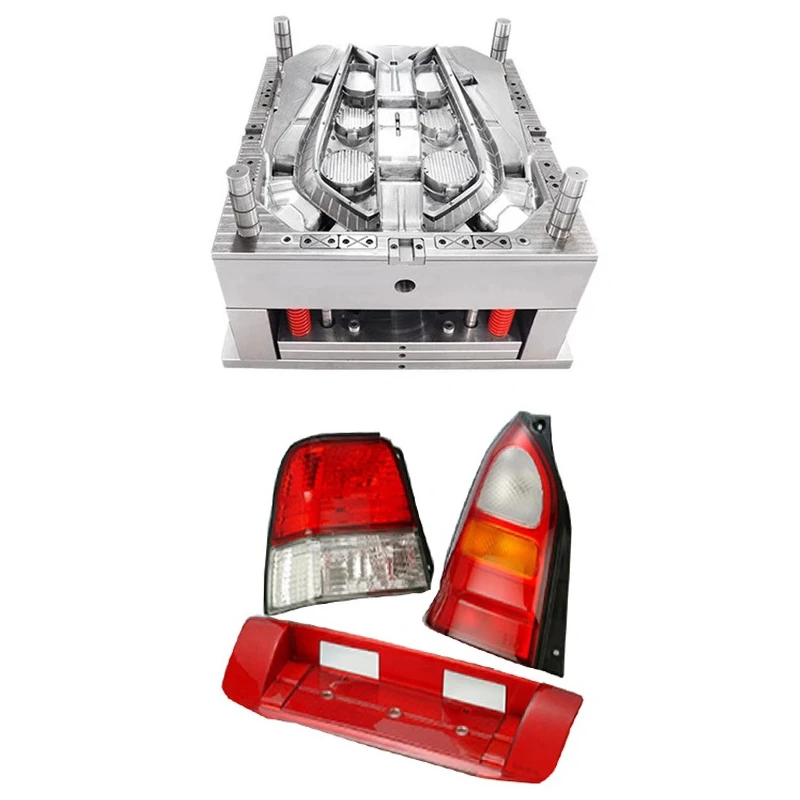
When comparing the lifespan of a front bumper mould with other automotive moulds, such as Car Lamp Injection Mold and Rear Bumper Mould, there are some similarities and differences. Car lamp injection moulds often require a higher level of precision due to the complex shapes and optical requirements of car lamps. This may lead to more stringent design and manufacturing requirements, but if well - maintained, they can also have a relatively long lifespan. Rear bumper moulds, on the other hand, are generally larger in size compared to front bumper moulds. The larger size may pose some challenges in terms of uniform cooling and stress distribution, which can affect their lifespan. However, with proper engineering and maintenance, rear bumper moulds can also achieve a reasonable number of injection cycles.
Importance of a Long - Lifespan Front Bumper Mould
For automotive manufacturers, a front bumper mould with a long lifespan offers several advantages. Firstly, it reduces the frequency of mould replacement, which in turn lowers the overall production cost. Secondly, it ensures consistent quality of the front bumpers produced. A well - maintained mould is more likely to produce parts that meet the required specifications, reducing the number of defective products. This is crucial for maintaining the reputation of the automotive brand.
Our Role as a Front Bumper Mould Supplier
As a front bumper mould supplier, we understand the importance of providing high - quality moulds with a long lifespan. We use only the best materials in our manufacturing process, ensuring that our moulds are made from top - grade steel alloys. Our team of experienced engineers uses advanced design software to create moulds with optimal cooling channels, gating systems, and ejection mechanisms. We also offer comprehensive after - sales service, including maintenance advice and training. Our goal is to help our customers get the most out of their front bumper moulds, maximizing production efficiency and minimizing costs.
If you are in the market for a front bumper mould, we invite you to explore our range of Front Bumper Mould products. We are committed to providing you with a high - quality, long - lasting solution that meets your specific requirements. Contact us for more information and to start a procurement discussion. We look forward to working with you to achieve your production goals.
References
- "Injection Molding Handbook" by O. Olszewski
- "Tool and Manufacturing Engineers Handbook"
- Industry reports on automotive mould manufacturing and maintenance practices