

What is the hardness of a toy car mold?
As a supplier of Toy Car Mold, I've often been asked about the hardness of toy car molds. Understanding the hardness of these molds is crucial for both manufacturers and those interested in the toy - making industry. In this blog, I'll delve into what the hardness of a toy car mold means, why it matters, and how it impacts the production of toy cars.
Defining Hardness in Toy Car Molds
Hardness, in the context of toy car molds, refers to the ability of the mold material to resist deformation, wear, and indentation. It is a fundamental property that determines the durability and performance of the mold during the toy - car manufacturing process. The hardness of a mold is typically measured using various hardness scales, with the Rockwell and Brinell scales being the most common in the industry.

The Rockwell scale measures hardness by indenting the material with a diamond cone or a hardened steel ball under a specific load. The depth of the indentation is then measured, and the hardness value is determined based on this measurement. The Brinell scale, on the other hand, uses a hardened steel or tungsten - carbide ball to make an indentation on the material surface under a fixed load. The diameter of the indentation is measured, and the hardness is calculated accordingly.
Why Hardness Matters
The hardness of a toy car mold has a direct impact on several aspects of the toy - making process.
Durability: A harder mold is more resistant to wear and tear. Toy car molds are subjected to high pressures and temperatures during the injection - molding process. Soft molds can quickly develop scratches, dents, and other forms of damage, which can lead to defects in the toy cars produced. For example, if the mold surface is scratched, the toy car may have rough spots or uneven surfaces. A hard mold, however, can withstand these harsh conditions for a longer period, reducing the frequency of mold replacement and saving costs in the long run.
Precision: Hard molds are better able to maintain their shape and dimensions over time. In the toy - car industry, precision is key. Toy cars need to have accurate dimensions, smooth surfaces, and well - defined details. A mold with appropriate hardness will not deform under pressure, ensuring that each toy car produced meets the required specifications. This is especially important for high - end toy cars that require intricate designs and tight tolerances.
Production Efficiency: A hard mold can withstand higher injection pressures and faster production cycles. This means that manufacturers can produce more toy cars in a shorter period. With a soft mold, there is a risk of the mold deforming or breaking under high pressures, which can lead to production delays and increased downtime for mold repair or replacement.
Factors Affecting Mold Hardness
Several factors can influence the hardness of a toy car mold.
Material Selection: The choice of mold material is the most significant factor. Common materials used for toy car molds include steel, aluminum, and plastic. Steel molds are known for their high hardness and durability. They can be heat - treated to achieve different levels of hardness, depending on the specific requirements of the toy - making process. Aluminum molds, on the other hand, are lighter and more cost - effective but generally have lower hardness compared to steel. Plastic molds are the least hard and are typically used for low - volume production or prototyping.
Heat Treatment: Heat treatment is a process used to modify the hardness of the mold material. By heating the mold to a specific temperature and then cooling it at a controlled rate, the internal structure of the material can be altered, resulting in increased hardness. For example, quenching and tempering are common heat - treatment processes used for steel molds. Quenching involves rapidly cooling the heated steel in a liquid medium, such as water or oil, to harden it. Tempering is then carried out to reduce the brittleness and improve the toughness of the hardened steel.
Surface Treatment: Surface treatments can also enhance the hardness of the mold. Coatings such as titanium nitride (TiN), chromium nitride (CrN), and diamond - like carbon (DLC) can be applied to the mold surface to increase its hardness and wear resistance. These coatings act as a protective layer, preventing the mold surface from coming into direct contact with the molten plastic during the injection - molding process.
Measuring and Controlling Mold Hardness
To ensure that the toy car molds meet the required hardness standards, regular hardness testing is necessary. As mentioned earlier, the Rockwell and Brinell scales are commonly used for this purpose. Most mold manufacturers have in - house testing equipment to measure the hardness of the molds during the production process.
Controlling the hardness of the mold starts with proper material selection and heat - treatment processes. The mold design and manufacturing process also play a role. For example, the machining operations used to create the mold can affect its hardness. Improper machining can introduce residual stresses in the mold, which can lead to variations in hardness. Therefore, it is important to use high - quality machining techniques and tools to ensure uniform hardness throughout the mold.
Impact on Different Types of Toy Car Molds
The importance of hardness varies depending on the type of toy car mold.
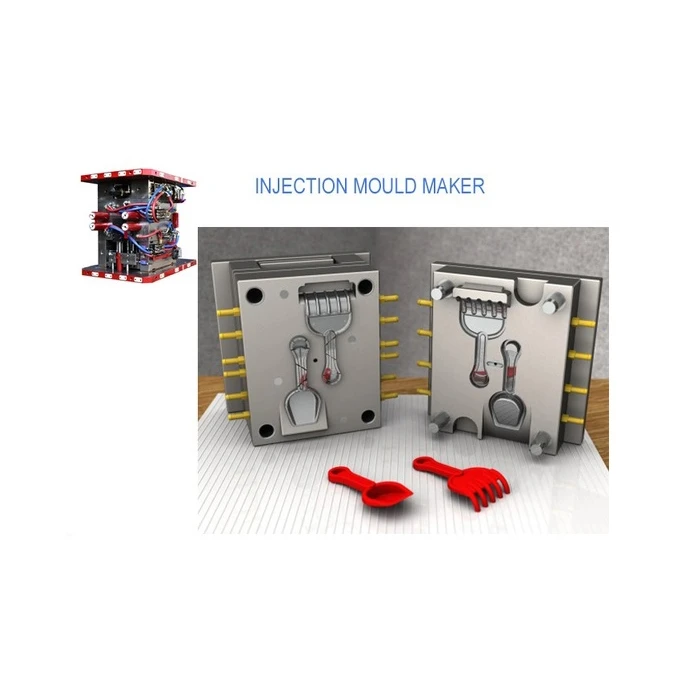
Plastic Toy Injection Mould: In plastic toy injection molding, the mold is subjected to high pressures and temperatures as molten plastic is injected into the mold cavity. A hard mold is essential to withstand these conditions and produce high - quality toy cars. The hardness of the mold also affects the quality of the plastic parts. A hard mold can produce parts with better surface finish and dimensional accuracy.
Plastic Toy Mould: Similar to injection molds, other types of plastic toy molds, such as compression molds and blow molds, also require appropriate hardness. Compression molds are used to form plastic parts by applying pressure to a pre - measured amount of plastic material. Blow molds are used to create hollow plastic parts, such as toy car bodies. In both cases, a hard mold is necessary to ensure consistent production and high - quality toy cars.
Conclusion
The hardness of a toy car mold is a critical factor that affects the durability, precision, and efficiency of the toy - making process. As a Toy Car Mold supplier, I understand the importance of providing molds with the right hardness for our customers. By carefully selecting the mold material, applying appropriate heat and surface treatments, and ensuring proper manufacturing processes, we can produce high - quality molds that meet the diverse needs of the toy - car industry.
If you are in the market for toy car molds and want to discuss your specific requirements, I encourage you to reach out. We have a team of experts who can provide you with detailed information and guidance on choosing the right mold for your production needs. Whether you are a small - scale toy manufacturer or a large - scale production facility, we are committed to providing you with the best - quality molds at competitive prices.
References
- "Plastic Injection Molding Handbook" by Rosato, Rosato, and Schrott.
- "Mold Design and Manufacturing" by various industry experts in the field of mold - making.
- Technical literature from mold - material suppliers on the properties and hardness of different mold materials.