

In the world of automotive manufacturing, grille moulds play a pivotal role in shaping the front - end aesthetics and functionality of vehicles. As a leading grille mould supplier, I am often asked about the intricacies of various components within these moulds, and one such crucial element is the ejector system. This blog post aims to delve deep into what the ejector system of a grille mould is, its significance, types, and how it impacts the overall manufacturing process.
Understanding the Basics of a Grille Mould
Before we jump into the ejector system, let's briefly understand what a grille mould is. A grille mould is a specialized tool used in the injection - molding process to create automotive grilles. These grilles not only enhance the vehicle's appearance but also serve important functions such as allowing air to flow into the engine compartment for cooling.
We offer a wide range of grille moulds, including Automotive Radiator Grille Tooling Mold, Front Grille Mould, and Automotive Grille Injection Mould. Each of these moulds is designed with precision to meet the diverse needs of the automotive industry.
What is the Ejector System of a Grille Mould?
The ejector system in a grille mould is a mechanism that is responsible for removing the molded grille from the mould cavity after the injection - molding process is complete. Once the molten plastic is injected into the mould and has cooled and solidified to form the grille, the ejector system comes into action.
This system typically consists of several components, including ejector pins, ejector plates, and a drive mechanism. The ejector pins are the most visible part of the system. They are small, cylindrical rods that are strategically placed within the mould cavity. When the mould opens, the drive mechanism, which can be hydraulic, mechanical, or pneumatic, pushes the ejector plate forward. This, in turn, causes the ejector pins to extend and push the molded grille out of the cavity.
Significance of the Ejector System
The ejector system is of utmost importance in the grille - molding process for several reasons. Firstly, it ensures the efficient removal of the molded part. Without a proper ejector system, the grille could get stuck in the mould, leading to production delays and potential damage to the part or the mould itself.
Secondly, it helps in maintaining the quality of the molded grille. The ejector pins are designed to apply an even force on the grille during ejection. This prevents the grille from warping or getting damaged during the removal process. A well - designed ejector system can also minimize the appearance of ejector pin marks on the grille, which is crucial for maintaining the aesthetic appeal of the final product.
Types of Ejector Systems
There are several types of ejector systems that can be used in grille moulds, each with its own advantages and applications.
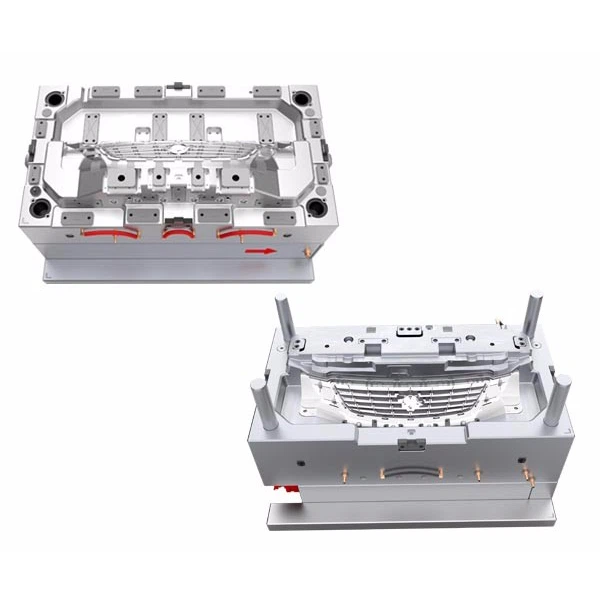
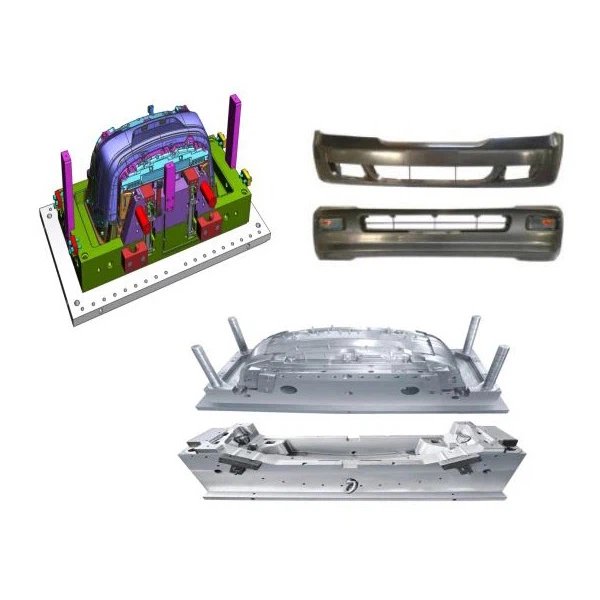
1. Pin Ejector System
This is the most common type of ejector system. As mentioned earlier, it uses ejector pins to push the part out of the mould. Pin ejector systems are relatively simple and cost - effective. They are suitable for grilles with relatively simple geometries and can be easily customized to fit the specific requirements of the mould.
2. Sleeve Ejector System
A sleeve ejector system is used when the grille has a cylindrical or tubular feature. Instead of pins, sleeves are used to eject the part. The sleeve surrounds the feature and pushes it out of the mould. This type of system provides a more uniform ejection force and is less likely to cause damage to the part.
3. Stripper Plate Ejector System
For grilles with large, flat surfaces, a stripper plate ejector system is often used. In this system, a stripper plate moves parallel to the parting line of the mould and strips the part off the core. This type of system is particularly useful for preventing distortion of the part during ejection.
Design Considerations for the Ejector System
When designing the ejector system for a grille mould, several factors need to be taken into account.
1. Part Geometry
The shape and size of the grille play a crucial role in determining the type and layout of the ejector system. Complex geometries may require a more sophisticated ejector system to ensure proper ejection. For example, a grille with deep undercuts may need a combination of different ejector mechanisms to remove the part without damaging it.
2. Material Properties
The type of plastic material used to make the grille also affects the ejector system design. Some materials may have a higher shrinkage rate, which can cause the part to stick more firmly to the mould. In such cases, a more powerful ejector system may be required.
3. Production Volume
The expected production volume is another important consideration. For high - volume production, the ejector system needs to be reliable and durable. It should be able to withstand repeated use without significant wear and tear.
Impact on the Manufacturing Process
The ejector system has a significant impact on the overall manufacturing process of automotive grilles. A well - designed ejector system can increase the production efficiency by reducing the cycle time. Faster ejection means that the mould can be closed and the next injection cycle can start sooner.
It also reduces the scrap rate. By ensuring proper ejection, the likelihood of producing defective parts is minimized. This leads to cost savings in terms of raw materials and labor.
Maintenance of the Ejector System
Proper maintenance of the ejector system is essential to ensure its long - term performance. Regular cleaning of the ejector pins and plates is necessary to prevent the accumulation of plastic residue, which can affect the ejection process. Lubrication of the moving parts is also important to reduce friction and wear.
Inspection of the ejector system for any signs of damage or wear should be carried out regularly. Any damaged components should be replaced promptly to avoid production disruptions.
Conclusion
In conclusion, the ejector system of a grille mould is a critical component that plays a vital role in the production of high - quality automotive grilles. As a grille mould supplier, we understand the importance of designing and implementing the right ejector system for each customer's specific needs. Whether it's a simple pin ejector system for a basic grille or a complex combination of mechanisms for a highly detailed part, we have the expertise to provide the best solution.
If you are in the market for grille moulds or have any questions about the ejector system or other aspects of grille - mould manufacturing, we invite you to contact us for a detailed discussion. Our team of experts is ready to assist you in finding the most suitable solutions for your automotive grille production requirements.
References
- "Injection Molding Handbook" by O. Olszewski
- "Automotive Plastics and Composites: Technology, Applications, and Markets" by R. A. Malloy