

Ensuring the consistency of products made by a plastic spool mould is crucial for any plastic spool mould supplier. As a supplier in this field, I understand the significance of delivering high - quality, consistent products to meet the diverse needs of our customers. In this blog, I will share some key strategies and considerations that we implement to guarantee the consistency of plastic spool products.
1. Design and Engineering Precision
The first step in ensuring product consistency starts with the design and engineering of the plastic spool mould. A well - designed mould is the foundation for producing uniform products.
- CAD/CAM Technology: We utilize advanced Computer - Aided Design (CAD) and Computer - Aided Manufacturing (CAM) technologies to create detailed mould designs. CAD allows us to model the plastic spool with high precision, considering factors such as wall thickness, draft angles, and gate locations. CAM then translates these designs into manufacturing instructions for the mould - making process. For example, by accurately defining the dimensions and geometries in CAD, we can ensure that each cavity in a multi - cavity mould is identical, which is essential for consistent product output.
- Mould Material Selection: The choice of mould material also plays a vital role in product consistency. We carefully select high - quality steel alloys that offer excellent hardness, wear resistance, and thermal stability. A durable mould material can withstand the high pressures and temperatures during the injection - moulding process without deforming or wearing out quickly. This ensures that the shape and dimensions of the plastic spools remain consistent over a large number of production cycles.
2. Quality Control of Mould Manufacturing
Once the mould design is finalized, strict quality control measures are implemented during the manufacturing process.
- Precision Machining: Our moulds are manufactured using state - of - the - art machining equipment, such as CNC (Computer Numerical Control) machines. These machines can achieve extremely high levels of accuracy, ensuring that the mould components are machined to the exact specifications defined in the design. For instance, the tolerance for the dimensions of the mould cavities can be controlled within a few micrometers, which directly translates into consistent product dimensions.
- Inspection and Testing: After machining, each mould component undergoes a series of inspections and tests. We use coordinate measuring machines (CMMs) to verify the dimensional accuracy of the components. Non - destructive testing methods, such as ultrasonic testing and magnetic particle inspection, are also employed to detect any internal defects in the mould material. Only after passing all these quality checks are the components assembled into the final mould.
3. Injection Moulding Process Optimization
The injection moulding process itself is a critical factor in ensuring product consistency.
- Process Parameter Control: We closely monitor and control a variety of process parameters, including temperature, pressure, injection speed, and cooling time. For example, maintaining a consistent melt temperature is crucial for ensuring the proper flow of the plastic material into the mould cavities. If the temperature is too high, the plastic may degrade, leading to variations in product quality. On the other hand, if the temperature is too low, the plastic may not fill the cavities completely, resulting in incomplete or defective products.
- Automation and Monitoring Systems: To achieve precise control of the injection moulding process, we have implemented advanced automation and monitoring systems. These systems can automatically adjust the process parameters in real - time based on feedback from sensors installed in the mould and the injection moulding machine. For example, if the pressure in a particular cavity deviates from the set value, the system can immediately make the necessary adjustments to ensure consistent filling and packing of the plastic material.
4. Raw Material Management
The quality and consistency of the raw plastic materials used also have a significant impact on the final product.
- Supplier Selection: We partner with reliable raw material suppliers who can provide high - quality plastics with consistent properties. Before approving a supplier, we conduct thorough evaluations of their manufacturing processes, quality control systems, and product certifications. This helps us ensure that the raw materials we receive meet our strict quality standards.
- Material Testing: Upon receiving the raw materials, we perform in - house testing to verify their properties, such as melt flow index, density, and mechanical strength. Only materials that pass these tests are used in the production process. Additionally, we store the raw materials in a controlled environment to prevent moisture absorption and other factors that could affect their quality.
5. Regular Maintenance and Calibration
To maintain the consistency of product quality over time, regular maintenance and calibration of the moulds and injection moulding machines are essential.
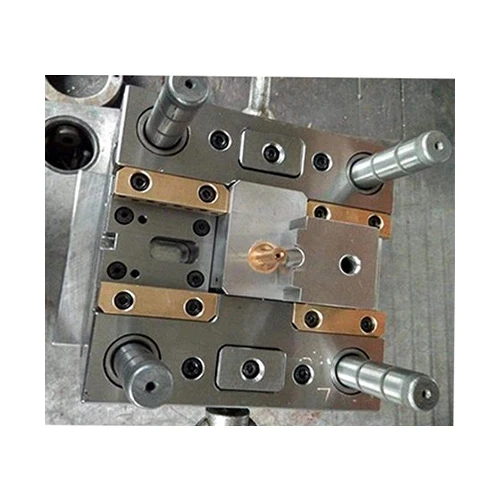
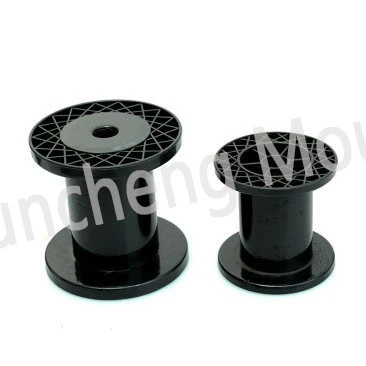
- Mould Maintenance: We have a detailed maintenance schedule for our moulds. This includes regular cleaning, lubrication, and inspection of the mould components. Any signs of wear or damage are immediately addressed through repair or replacement of the affected parts. By keeping the moulds in good condition, we can ensure that they continue to produce consistent products.
- Machine Calibration: The injection moulding machines are also calibrated regularly to ensure that they operate at the optimal settings. This includes checking and adjusting the temperature controllers, pressure sensors, and injection speed settings. Accurate machine calibration is crucial for maintaining consistent process parameters and, consequently, product consistency.
6. Employee Training and Skill Development
Our employees play a key role in ensuring product consistency. We invest in comprehensive training programs to enhance their skills and knowledge.
- Technical Training: Employees involved in mould design, manufacturing, and injection moulding receive regular technical training. This includes learning about the latest industry trends, new technologies, and best practices. For example, training on the proper operation of the injection moulding machines can help employees avoid common mistakes that could lead to product inconsistencies.
- Quality Awareness Training: All employees are also trained on quality awareness. They are educated about the importance of product consistency and how their individual actions can impact the final product quality. This helps create a culture of quality within the organization.
Conclusion
Ensuring the consistency of products made by a plastic spool mould is a complex but achievable goal. By focusing on design and engineering precision, quality control of mould manufacturing, injection moulding process optimization, raw material management, regular maintenance and calibration, and employee training, we can consistently produce high - quality plastic spools that meet the expectations of our customers.
If you are in the market for Injection Plastic Spool Bobbin Mould, Cable Spool Plastic Injection Mold, or Plastic Bobbin Coil Mold, we invite you to contact us for more information and to discuss your specific requirements. We are committed to providing you with the best - in - class plastic spool mould solutions and ensuring the consistency of the products you receive.
References
- Throne, J. L. (1996). Thermoplastics Injection Molding: Materials, Designs, and Processing Principles. Marcel Dekker.
- Rosato, D. V., & Rosato, D. P. (2000). Injection Molding Handbook. Kluwer Academic Publishers.
- Osswald, T. A., & Turng, L. - S. (2007). Injection Molding Handbook. Hanser Publishers.