

Hey there! As a supplier of helmet moulds, I've seen firsthand how crucial safety is when using these tools. Whether you're a small workshop or a large manufacturing plant, taking the right precautions can prevent accidents and ensure a smooth production process. So, let's dive into the safety precautions you should keep in mind when using a helmet mould.
Before Using the Helmet Mould
Inspection and Maintenance
First things first, you gotta inspect the helmet mould before each use. Look for any signs of damage, like cracks, dents, or wear and tear. If you notice anything off, don't use the mould until it's been repaired or replaced. Regular maintenance is also key. Keep the mould clean and lubricated to prevent rust and ensure proper operation.
Training
Make sure everyone who's going to use the helmet mould is properly trained. They should know how to operate the equipment safely, understand the mould's specifications, and be familiar with any emergency procedures. A little training can go a long way in preventing accidents.
Safety Gear
Provide your workers with the right safety gear. This includes safety glasses, gloves, and ear protection. Depending on the specific process, they may also need a face shield or a respirator. Safety gear is not optional; it's a must-have to protect your workers from potential hazards.
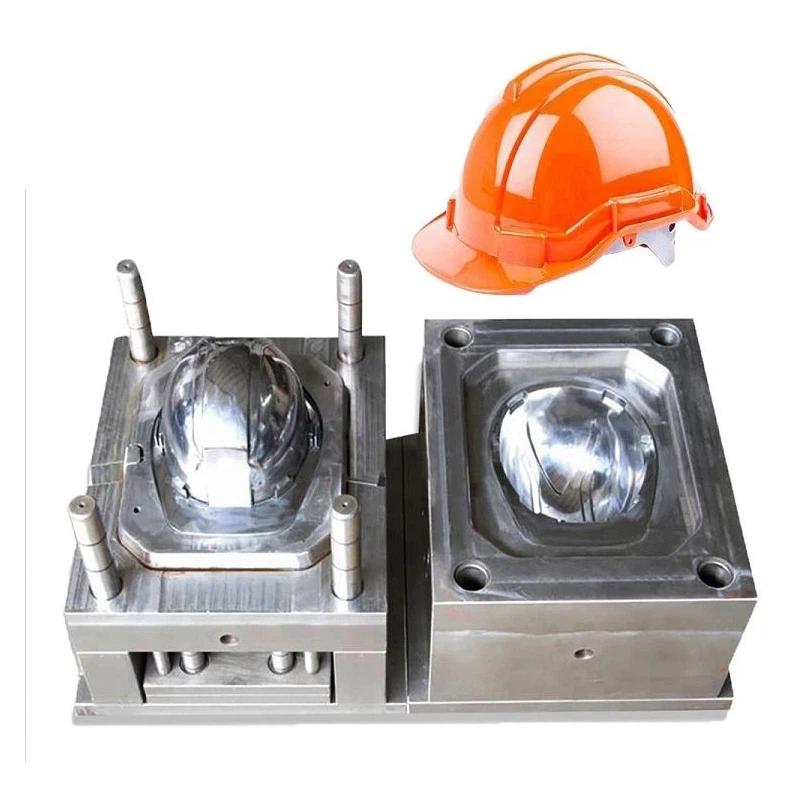

During the Moulding Process
Temperature Control
Helmet moulding often involves high temperatures. Make sure you have a reliable temperature control system in place. Overheating can damage the mould and pose a safety risk. Monitor the temperature regularly and adjust it as needed to keep it within the recommended range.
Pressure Management
Proper pressure management is also crucial. Too much pressure can cause the mould to break or the material to leak, while too little pressure can result in a poor-quality product. Follow the manufacturer's guidelines for pressure settings and use a pressure gauge to monitor the pressure during the process.
Handling the Mould
When handling the helmet mould, be careful not to drop it or bang it against other objects. Use a lifting device if the mould is heavy. Also, make sure the mould is properly secured in the machine to prevent it from moving during the moulding process.
Ventilation
Helmet moulding can produce fumes and dust. Make sure your workplace has adequate ventilation to remove these pollutants. You can use exhaust fans or a ventilation system to keep the air clean. Good ventilation not only protects your workers from harmful fumes but also helps to prevent the build-up of flammable gases.
After the Moulding Process
Cooling Down
After the moulding process is complete, allow the mould to cool down before removing it from the machine. This helps to prevent thermal shock and extends the life of the mould. Use a cooling system if necessary to speed up the cooling process.
Cleaning
Clean the helmet mould thoroughly after each use. Remove any residual material or debris from the mould. You can use a cleaning solution and a soft brush to clean the mould. Make sure the mould is completely dry before storing it to prevent rust.
Storage
Store the helmet mould in a dry, clean place. Keep it away from moisture, dust, and other contaminants. You can use a storage rack or a cabinet to keep the mould organized and protected.
Specific Considerations for Different Types of Helmet Moulds
Helmet Injection Mold
Injection moulding is a common method for making helmets. When using a helmet injection mould, pay special attention to the injection speed and pressure. These parameters can affect the quality of the product and the lifespan of the mould. Also, make sure the injection nozzle is clean and free of blockages to ensure a smooth flow of material.
Plastic Safety Helmet Mould
Plastic safety helmet moulds require careful handling of the plastic material. Some plastics can release harmful chemicals when heated. Make sure you choose a high-quality plastic that meets the safety standards. Also, be aware of the plastic's melting point and processing temperature to prevent overheating.
Safety Helmet Mould
Safety helmet moulds are used to produce helmets that meet strict safety standards. When using a safety helmet mould, make sure you follow all the relevant regulations and guidelines. This includes testing the finished helmets to ensure they meet the required safety standards.
Conclusion
Safety should always be your top priority when using a helmet mould. By following these safety precautions, you can protect your workers, prevent accidents, and ensure the quality of your products. If you have any questions or need more information about helmet mould safety, don't hesitate to contact us. We're here to help you make the most of your helmet moulding process.
If you're in the market for a high-quality helmet mould, we're the supplier for you. Our Helmet Injection Mold, Plastic Safety Helmet Mould, and Safety Helmet Mould are designed to meet the highest standards of quality and safety. Contact us today to discuss your specific needs and let's start a fruitful business relationship!
References
- Helmet Mould Manufacturer's Manuals
- Occupational Safety and Health Administration (OSHA) Guidelines
- Industry Best Practices for Helmet Moulding