

In the realm of plastic toy manufacturing, the cycle time of a plastic toy mould is a critical factor that significantly impacts production efficiency, cost, and overall competitiveness. As a seasoned plastic toy mould supplier, I've witnessed firsthand how various elements can influence this cycle time. In this blog, I'll delve into the key factors that play a role in determining the cycle time of a plastic toy mould.
1. Mould Design
The design of the plastic toy mould is the foundation that can either streamline or complicate the production process. A well - designed mould can reduce cycle time, while a poorly conceived one can lead to inefficiencies.
- Cavity Layout: The number and arrangement of cavities in a mould are crucial. More cavities can increase the production output per cycle, but it also requires more precise gating and cooling systems. For example, if the cavities are too close together, it can lead to uneven cooling and longer cycle times as the plastic needs more time to solidify uniformly. On the other hand, a well - spaced cavity layout with optimized gating can ensure simultaneous and efficient filling of all cavities, reducing the overall cycle time.
- Gating System: The gating system controls the flow of molten plastic into the mould cavities. A proper gating design ensures that the plastic fills the cavities quickly and evenly. For instance, a direct gate can provide a short and unobstructed path for the plastic, allowing for rapid filling. However, it may leave a visible mark on the toy. Sub - gates or hot runner systems can offer a balance between fast filling and a clean finish. A well - designed hot runner system, such as the ones we use in our Plastic Toy Injection Mould, can significantly reduce the cycle time by maintaining the plastic at an optimal temperature and reducing the need for cold runner removal.
- Ejection System: An efficient ejection system is essential for quickly removing the finished toy from the mould. If the ejection is not smooth, it can cause delays as the toy may get stuck in the mould. We use advanced ejection mechanisms, such as ejector pins and stripper plates, which are precisely designed to match the shape and structure of the toy. This ensures that the toy can be ejected without any damage or delay, thereby reducing the cycle time.
2. Material Selection
The choice of plastic material for the toy and the mould itself can have a profound impact on the cycle time.
- Plastic Material for Toys: Different plastics have different melting points, flow properties, and cooling rates. For example, polypropylene (PP) has a relatively low melting point and good flowability, which allows for faster filling of the mould cavities. It also cools and solidifies relatively quickly, reducing the overall cycle time. In contrast, engineering plastics like polycarbonate (PC) have higher melting points and slower cooling rates, which may require longer cycle times. When selecting the plastic material, we consider not only the properties of the toy but also the impact on the cycle time.
- Mould Material: The material used to make the mould affects its thermal conductivity and durability. Moulds made of materials with high thermal conductivity, such as copper alloys, can transfer heat more efficiently during the cooling process. This means that the plastic in the mould cools faster, reducing the cycle time. However, copper alloys may not be as durable as steel. We often use high - quality steel alloys for our moulds, which offer a good balance between thermal conductivity and durability. These steel alloys are also heat - treated to enhance their performance and reduce the cycle time.
3. Injection Moulding Machine
The performance and settings of the injection moulding machine are key factors in determining the cycle time.
- Injection Speed and Pressure: The injection speed and pressure control how quickly the molten plastic is forced into the mould cavities. A higher injection speed can fill the cavities faster, but it also needs to be balanced with the pressure to avoid issues such as flash or incomplete filling. Our injection moulding machines are equipped with advanced control systems that allow us to precisely adjust the injection speed and pressure according to the requirements of the toy and the mould. This ensures that the filling process is both fast and accurate, reducing the cycle time.
- Clamping Force: The clamping force of the injection moulding machine keeps the mould closed during the injection process. If the clamping force is too low, the mould may open slightly, causing flash on the toy. If it is too high, it can put unnecessary stress on the mould and the machine. By selecting the appropriate clamping force for each mould, we can ensure a stable and efficient injection process, which in turn reduces the cycle time.
- Cooling System of the Machine: The cooling system of the injection moulding machine is responsible for removing heat from the mould. A well - designed cooling system can significantly reduce the cooling time of the plastic in the mould. Our machines are equipped with efficient water - cooling systems that can quickly dissipate the heat generated during the injection process. This allows the plastic to solidify faster, reducing the overall cycle time.
4. Process Parameters
The process parameters, such as temperature, time, and pressure, need to be carefully controlled to optimize the cycle time.
- Melt Temperature: The melt temperature of the plastic affects its flowability and the time it takes to fill the mould cavities. A higher melt temperature generally results in better flowability, but it also increases the cooling time. We carefully monitor and adjust the melt temperature to find the optimal balance between fast filling and quick cooling. This ensures that the cycle time is minimized without compromising the quality of the toy.
- Cooling Time: The cooling time is the period during which the plastic in the mould solidifies. It is one of the most critical factors in determining the cycle time. By optimizing the cooling system and using materials with good thermal conductivity, we can reduce the cooling time. However, it is important not to reduce the cooling time too much, as this can lead to warping or other defects in the toy.
- Injection and Holding Time: The injection time is the period during which the molten plastic is injected into the mould cavities, and the holding time is the period during which additional pressure is applied to compensate for shrinkage. By carefully adjusting these times, we can ensure that the toy is fully formed and has the desired dimensions. This helps to reduce the cycle time by avoiding rework or scrap.
5. Maintenance and Quality Control
Regular maintenance of the mould and strict quality control measures can also have an impact on the cycle time.
- Mould Maintenance: A well - maintained mould operates more efficiently and has a longer lifespan. Regular cleaning, lubrication, and inspection of the mould can prevent issues such as blockages in the gating system or wear and tear of the ejection mechanism. By keeping the mould in good condition, we can ensure that the cycle time remains consistent and efficient.
- Quality Control: Strict quality control measures during the production process can prevent defects and rework, which can significantly increase the cycle time. We use advanced inspection techniques, such as optical inspection and dimensional measurement, to ensure that each toy meets the required standards. By catching and correcting any issues early in the process, we can avoid delays and reduce the overall cycle time.
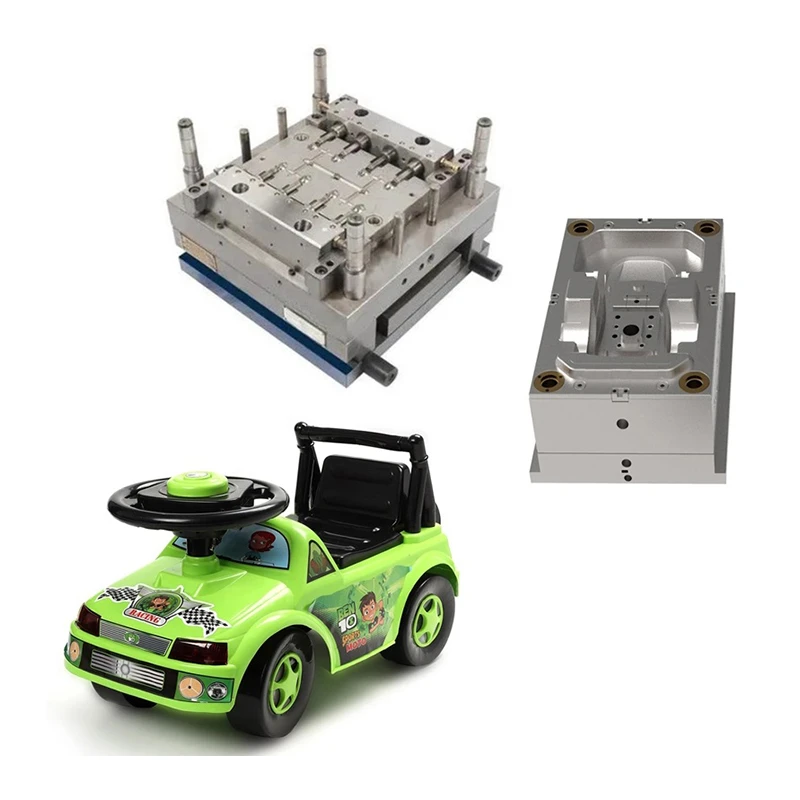
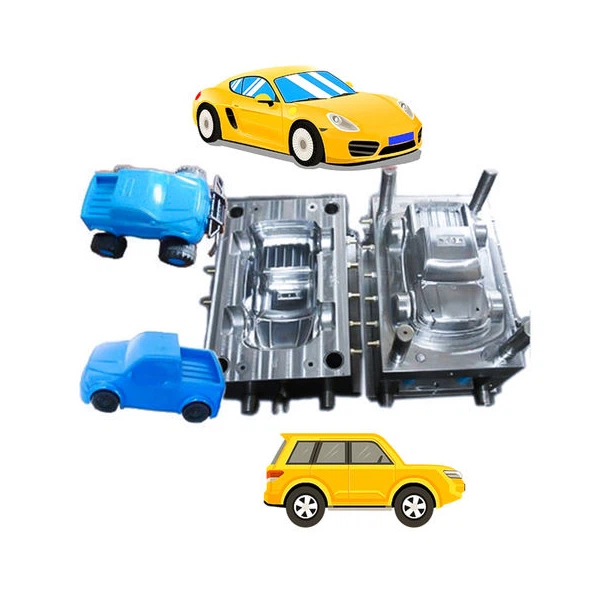
In conclusion, the cycle time of a plastic toy mould is influenced by a multitude of factors, including mould design, material selection, injection moulding machine performance, process parameters, and maintenance and quality control. As a plastic toy mould supplier, we are constantly striving to optimize these factors to reduce the cycle time and improve the efficiency of our production. If you are in the market for high - quality plastic toy moulds, such as our Toy Car Mold or Children Electrical Car Mould, and want to discuss how we can meet your specific requirements, please feel free to reach out to us. We look forward to the opportunity to work with you and help you achieve your production goals.
References
- Beardsley, D. (2015). Injection Molding Handbook. Hanser Publications.
- Rosato, D. V., & Rosato, D. V. (2011). Injection Molding Technology. Kluwer Academic Publishers.
- Throne, J. L. (2009). Thermoplastics Processing: An Introduction. Carl Hanser Verlag.