

The injection molding process is a cornerstone in the production of plastic toys, and as a dedicated Plastic Toy Mould supplier, I am excited to delve into the intricacies of this manufacturing technique. This blog post will explore the step-by-step process of injection molding for plastic toys using a mold, highlighting key aspects from mold design to the final product.
Mold Design and Creation
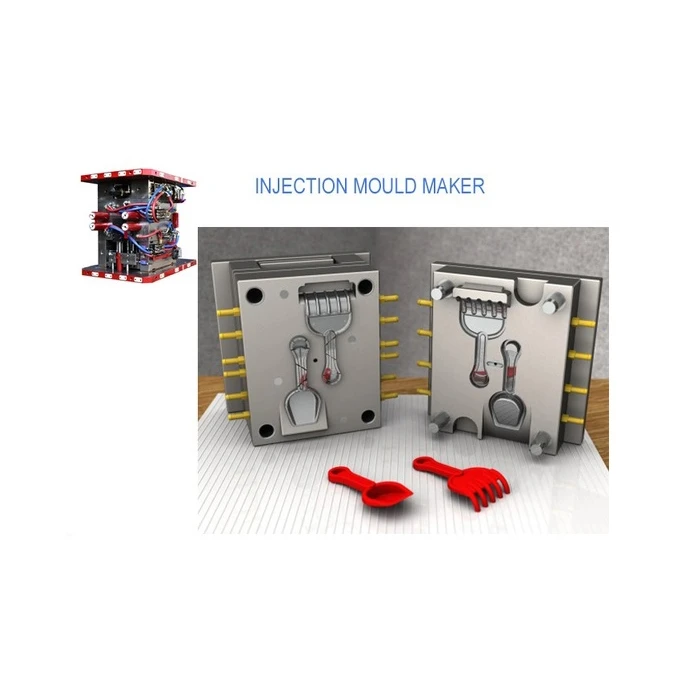
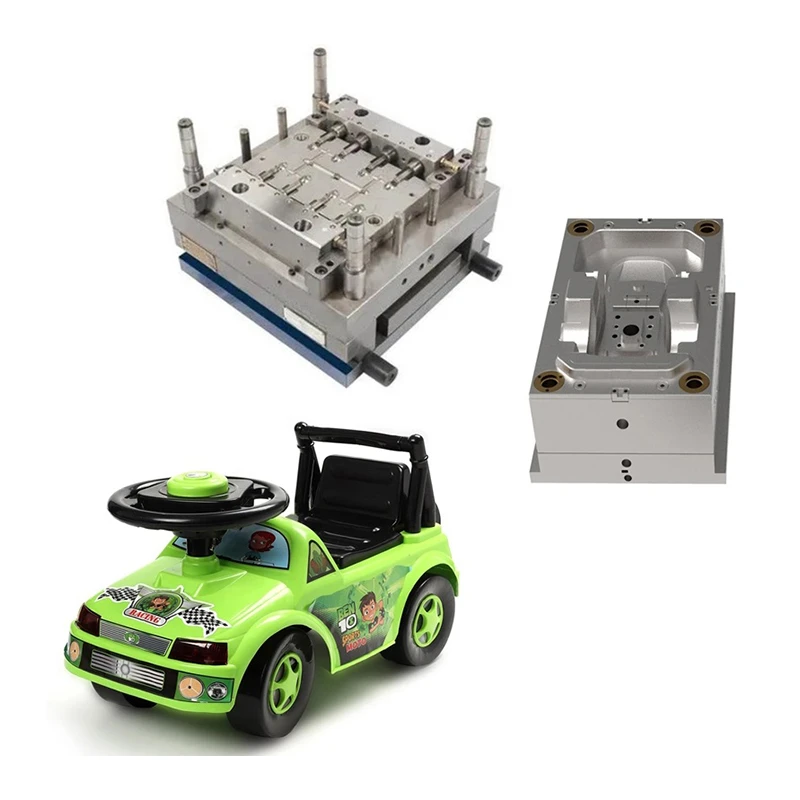
The journey of creating a plastic toy through injection molding begins with meticulous mold design. Our team of experienced designers works closely with clients to understand their specific requirements, whether it's a Baby Car Mold or a Children Electrical Car Mould. We use advanced computer-aided design (CAD) software to create detailed 3D models of the mold, taking into account factors such as toy shape, size, and functionality.
Once the design is finalized, we proceed to the mold-making stage. High-quality materials, such as steel or aluminum, are carefully selected based on the toy's production volume and complexity. Our state-of-the-art machining equipment ensures precision in cutting and shaping the mold components. Each mold is crafted with utmost care to meet the highest standards of quality and durability, ensuring consistent production of high-quality plastic toys.
Plastic Material Selection
Choosing the right plastic material is crucial for the success of the injection molding process. Different types of plastics offer varying properties, such as strength, flexibility, and heat resistance. As a Plastic Toy Mould supplier, we assist our clients in selecting the most suitable material for their specific toy requirements.
Common plastic materials used in toy production include polyethylene (PE), polypropylene (PP), acrylonitrile butadiene styrene (ABS), and polyvinyl chloride (PVC). PE and PP are known for their lightweight and flexible nature, making them ideal for toys that require a certain degree of bendability. ABS, on the other hand, offers excellent impact resistance and surface finish, making it a popular choice for more durable toys. PVC is often used for toys that require a soft and pliable texture, such as squeeze toys.
Injection Molding Process
The injection molding process itself consists of several key steps, each of which plays a vital role in the production of high-quality plastic toys.
Clamping
The first step in the injection molding process is clamping. The mold is securely placed in the injection molding machine, and the two halves of the mold are closed tightly using a clamping unit. This ensures that the mold remains closed during the injection process, preventing any leakage of molten plastic.
Injection
Once the mold is clamped, the plastic material is fed into the injection unit of the molding machine. The material is heated to its melting point, transforming it into a molten state. The molten plastic is then injected into the mold cavity under high pressure using a screw or plunger mechanism. The pressure ensures that the plastic fills the entire mold cavity, taking on the shape of the toy.
Cooling
After the plastic has been injected into the mold, it needs to cool and solidify. This is a critical step in the process, as it determines the final shape and quality of the toy. The cooling time depends on several factors, such as the type of plastic material, the size and thickness of the toy, and the design of the mold. Our molds are designed with efficient cooling channels to ensure uniform cooling and minimize the cooling time, resulting in faster production cycles.
Ejection
Once the plastic has cooled and solidified, the mold is opened, and the finished toy is ejected from the mold cavity. Ejection pins or other ejection mechanisms are used to push the toy out of the mold. Care is taken to ensure that the toy is ejected smoothly without any damage.
Quality Control
Quality control is an integral part of the injection molding process. As a Plastic Toy Mould supplier, we have strict quality control measures in place to ensure that every plastic toy meets the highest standards of quality and safety.
We conduct regular inspections at various stages of the production process, from mold design and creation to the final product. Our quality control team uses advanced testing equipment to check for defects such as dimensional accuracy, surface finish, and mechanical properties. Any toys that do not meet our quality standards are rejected and recycled, ensuring that only the best products are delivered to our clients.
Post-Processing and Assembly
After the plastic toys have been ejected from the mold, they may require some post-processing and assembly. This can include trimming any excess plastic, painting, printing, or adding additional components such as batteries or electronic parts. Our team of skilled workers is experienced in performing these post-processing and assembly tasks, ensuring that the final toys are ready for the market.
Advantages of Injection Molding for Plastic Toys
Injection molding offers several advantages for the production of plastic toys.
High Precision and Consistency
Injection molding allows for the production of plastic toys with high precision and consistency. Our molds are designed to produce toys with accurate dimensions and intricate details, ensuring that each toy is identical to the next. This is particularly important for toys that require a high level of precision, such as educational toys or collectible figurines.
Cost-Effective
Injection molding is a cost-effective manufacturing process, especially for large-scale production. Once the mold has been created, the cost per unit of production is relatively low, making it an ideal choice for mass-producing plastic toys. Additionally, the high efficiency of the injection molding process allows for faster production cycles, reducing overall production costs.
Versatility
Injection molding is a versatile manufacturing process that can be used to produce a wide variety of plastic toys. From simple shapes to complex designs, our molds can be customized to meet the specific requirements of our clients. This allows us to offer a diverse range of plastic toys to our customers, catering to different age groups and interests.
Conclusion
The injection molding process is a highly efficient and effective method for producing plastic toys using a mold. As a Plastic Toy Mould supplier, we are committed to providing our clients with high-quality molds and exceptional service. Our expertise in mold design, plastic material selection, and injection molding ensures that we can meet the diverse needs of the toy industry.
If you are interested in learning more about our Plastic Toy Mould products or have any specific requirements for your plastic toy production, we invite you to contact us for a detailed discussion. Our team of experts is ready to assist you in every step of the process, from concept to completion. Let's work together to create innovative and high-quality plastic toys that will delight children around the world.
References
- Campbell, F. C. (2012). Manufacturing Processes for Engineering Materials. Wiley.
- Rosato, D. V., & Rosato, D. V. (2000). Injection Molding Handbook. Kluwer Academic Publishers.
- Throne, J. L. (1996). Thermoplastic Injection Molding: Materials, Processing, and Tooling. Hanser Publishers.