

As a seasoned supplier of Plastic Toy Mould, I've witnessed firsthand the pivotal role that pressure adjustment plays in the plastic toy moulding process. In this blog, I'll share some practical insights on how to adjust the pressure in plastic toy moulding effectively.
Understanding the Importance of Pressure in Plastic Toy Moulding
Pressure is a critical factor in plastic toy moulding. It ensures that the molten plastic fills the mould cavity completely, taking on the desired shape with high precision. Insufficient pressure can lead to incomplete filling, resulting in toys with voids, thin walls, or even broken parts. On the other hand, excessive pressure can cause flash, where the plastic leaks out of the mould, or it may damage the mould itself. Therefore, finding the right pressure is essential for producing high - quality plastic toys.
Factors Affecting Pressure in Plastic Toy Moulding
1. Plastic Material
Different plastic materials have different flow properties. For example, polypropylene (PP) has a relatively high flowability compared to acrylonitrile butadiene styrene (ABS). Materials with high flowability require less pressure to fill the mould, while those with low flowability need higher pressure. As a supplier, we often work closely with our clients to understand the type of plastic they plan to use and adjust the mould design and pressure requirements accordingly.
2. Mould Design
The complexity of the mould design significantly impacts the pressure needed. Moulds with intricate shapes, thin walls, or long flow paths require higher pressure to ensure complete filling. For instance, a Child Safety Seat Mold has a relatively large and complex structure, which may demand more pressure compared to a simple, small - sized toy mould. Our team of experienced designers takes these factors into account when creating moulds to optimize the pressure requirements.
3. Injection Speed
The speed at which the molten plastic is injected into the mould also affects the pressure. A higher injection speed can increase the pressure inside the mould, while a lower speed may result in insufficient pressure. We recommend our clients to find the right balance between injection speed and pressure based on the specific characteristics of the toy and the plastic material.
Steps to Adjust Pressure in Plastic Toy Moulding
1. Initial Setting
Before starting the moulding process, it's crucial to make an initial pressure setting based on the factors mentioned above. We usually refer to industry standards and our past experience with similar projects. For example, if the client is using a common plastic like ABS for a medium - sized Plastic Toy Injection Mould, we might start with a pressure range that has been proven effective in similar cases.
2. Monitoring and Testing
Once the moulding process begins, we closely monitor the pressure using pressure sensors installed in the mould. These sensors provide real - time data on the pressure inside the mould cavity. We also conduct regular inspections of the produced toys. If we notice any signs of incomplete filling or flash, we know that the pressure needs adjustment.
3. Gradual Adjustment
When making pressure adjustments, it's important to do it gradually. A sudden and large - scale pressure change can cause more problems, such as damage to the mould or inconsistent toy quality. We typically make small adjustments, usually in increments of a few bars, and then observe the results. For example, if the toys are showing signs of incomplete filling, we might increase the pressure by 2 - 3 bars and check the next batch of products.

4. Fine - Tuning
After several rounds of adjustment and testing, we fine - tune the pressure to achieve the best results. This may involve making very small adjustments based on the detailed inspection of the toys. We also consider other factors such as the temperature of the plastic and the mould, as these can interact with the pressure and affect the final product quality.
Case Studies
Case 1: Children Electrical Car Mould
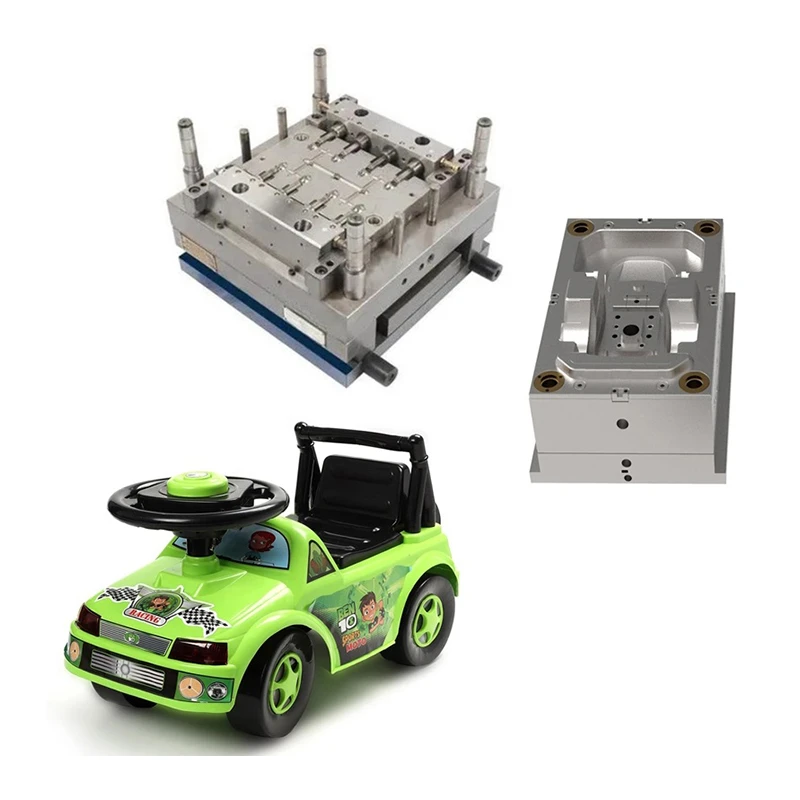
We once worked with a client who was producing children's electrical cars. The initial pressure setting was based on a standard design, but the first few batches of cars had some issues with incomplete filling in the corners of the body. After careful analysis, we found that the complex shape of the car body required a slightly higher pressure. We gradually increased the pressure by 5 bars in several steps and monitored the results. Eventually, we were able to produce high - quality cars with complete filling and no flash.
Case 2: Simple Plastic Toy
For a simple plastic toy with a basic shape, the initial pressure setting was relatively straightforward. However, during the production process, we noticed that the toys had a slightly rough surface. After adjusting the pressure down by 2 bars and also fine - tuning the injection speed, the surface quality of the toys improved significantly.
Best Practices for Pressure Adjustment
1. Record Keeping
We maintain detailed records of all our moulding projects, including the pressure settings, plastic materials used, and the final product quality. These records serve as a valuable reference for future projects and help us make more accurate pressure adjustments.
2. Staff Training
Our staff undergoes regular training on pressure adjustment techniques and the latest advancements in plastic toy moulding. This ensures that they have the knowledge and skills to handle different types of projects and make appropriate pressure adjustments.
3. Collaboration with Clients
We believe in close collaboration with our clients. We work with them from the initial design stage to understand their requirements and expectations. By sharing our expertise on pressure adjustment and other aspects of moulding, we can help them achieve the best results for their plastic toys.
Conclusion
Adjusting the pressure in plastic toy moulding is a complex but crucial process. By understanding the factors affecting pressure, following the right steps for adjustment, and implementing best practices, we can produce high - quality plastic toys that meet the strictest standards. As a Plastic Toy Mould supplier, we are committed to providing our clients with the best solutions for their moulding needs. If you are in the market for high - quality plastic toy moulds and need professional advice on pressure adjustment and other aspects of the moulding process, we invite you to contact us for a procurement discussion. We look forward to working with you to create amazing plastic toys.
References
- "Plastic Injection Moulding Handbook" by Ian Major
- "Mould Design for Injection Moulding" by R. A. Malloy