

Hey there! I'm a supplier of home appliance moulds, and today I wanna chat about the differences between home appliance moulds for large and small home appliances. It's a topic that's super relevant in our industry, and understanding these differences can help you make better decisions when it comes to sourcing the right moulds for your products.
Size and Scale
First off, the most obvious difference is the size. Large home appliances like refrigerators, washing machines, and ovens need big moulds. These moulds are massive in scale and are designed to create large - sized components. For example, the outer shell of a refrigerator requires a huge mould that can handle the complex shape and large surface area. Manufacturing these large moulds is no walk in the park. It needs heavy - duty machinery and a lot of space in the production facility. The equipment used to make these moulds has to be powerful enough to cut, shape, and polish large blocks of metal, usually steel or aluminum.
On the other hand, small home appliances such as toasters, coffee makers, and hair dryers have much smaller moulds. These moulds are more compact and can be made with less material. The production process for small - appliance moulds is often faster because the amount of machining and finishing work is relatively less. But don't think it's all easy peasy. Small moulds require high precision. Since the components of small home appliances are smaller, any tiny error in the mould can lead to significant problems in the final product.
Complexity of Design
The complexity of design also varies greatly between large and small home appliance moulds. Large home appliances usually have more complex internal and external structures. Take a washing machine, for instance. It has different compartments for water intake, detergent storage, and the drum itself. The moulds for these parts need to be designed to create intricate shapes and features. There are also often requirements for different textures on the surface of the components, like a smooth finish on the exterior and a ribbed or textured surface on the inside for better functionality.
Small home appliances, while they may seem simpler at first glance, can also have some pretty complex design elements. For example, a coffee maker needs a precise mould for the water tank, the brewing chamber, and the coffee spout. The design of these parts has to ensure proper water flow, heat resistance, and easy cleaning. However, compared to large appliances, the overall complexity in terms of the number of different parts and the scale of the design is usually lower.
Material Requirements
When it comes to materials, both large and small home appliance moulds have their own needs. Large appliance moulds typically require high - strength materials because they have to withstand the pressure and wear during the injection - molding process. Steel is a common choice for large - appliance moulds due to its durability and ability to handle high - volume production. The steel used needs to be of high quality to ensure a long lifespan for the mould, as large - scale production can put a lot of stress on the mould.
Small home appliance moulds can use a wider range of materials. Aluminum is often used for small - appliance moulds because it's lightweight, easy to machine, and relatively inexpensive. It's suitable for low - to medium - volume production. For some very small and simple components, plastics or composite materials might also be used to make the moulds. These materials can be cost - effective for short - run production or for prototyping.
Production Volume and Cost
Production volume is another key factor. Large home appliances are usually produced in large quantities. Manufacturers aim to meet the high demand in the market, so the moulds for these appliances need to be designed for high - volume production. This means that the initial investment in the mould is high, but the cost per unit of the final product can be relatively low because the cost of the mould is spread over a large number of products.
Small home appliances may have a more variable production volume. Some small - appliance models might be produced in large numbers, while others could be niche products with lower production volumes. The cost of small - appliance moulds is generally lower than that of large - appliance moulds. However, if the production volume is very low, the cost per unit of the final product can be higher because the cost of the mould is not amortized over a large number of items.
Quality Control
Quality control is crucial for both large and small home appliance moulds, but the methods and focus can be different. For large - appliance moulds, since they are used for high - volume production, any defect in the mould can lead to a large number of defective products. So, quality control starts from the design phase. Engineers use advanced software to simulate the injection - molding process and detect any potential issues. During the manufacturing process, there are multiple inspections at different stages, including dimensional checks, surface finish inspections, and hardness tests.
For small - appliance moulds, while the overall volume of production might be lower, the quality requirements are still high. The focus is often on the precision of the small parts. Quality control measures include checking for accurate dimensions, proper alignment of different components in the mould, and ensuring that the surface finish is smooth and free of defects. Any small flaw in a small - appliance mould can affect the functionality and aesthetics of the final product.
Some Examples of Moulds
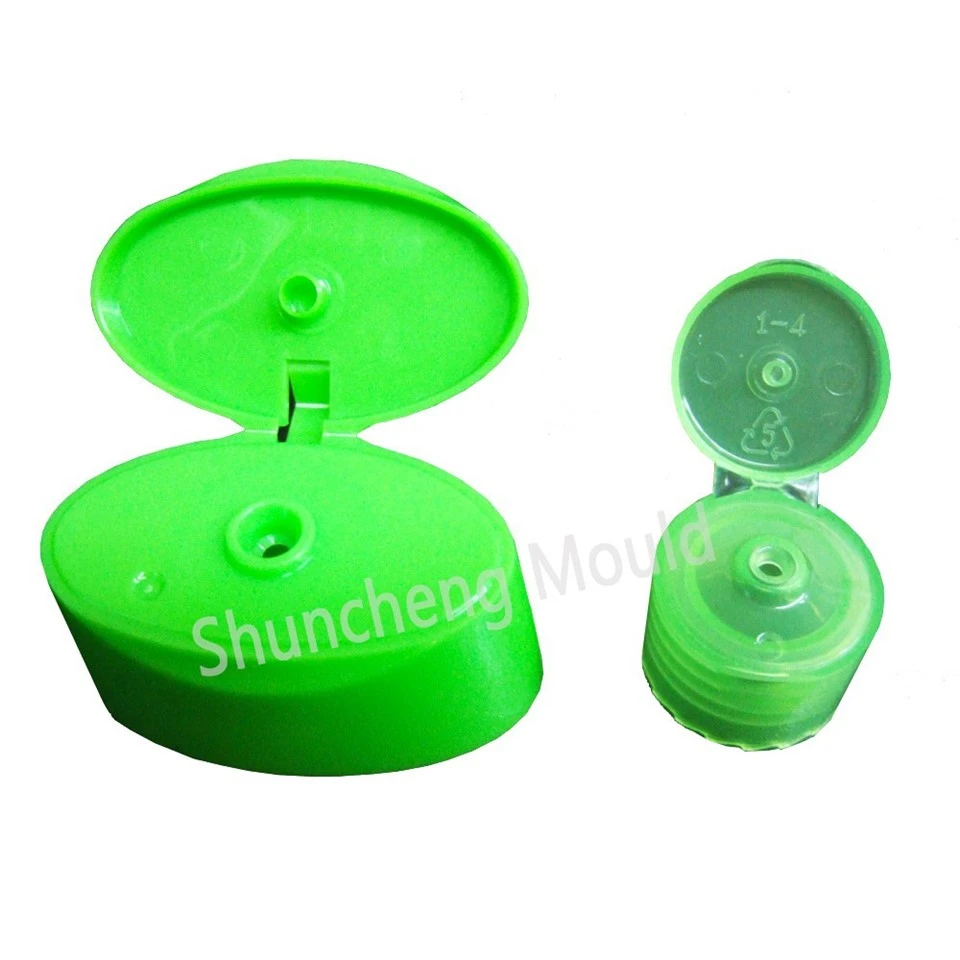
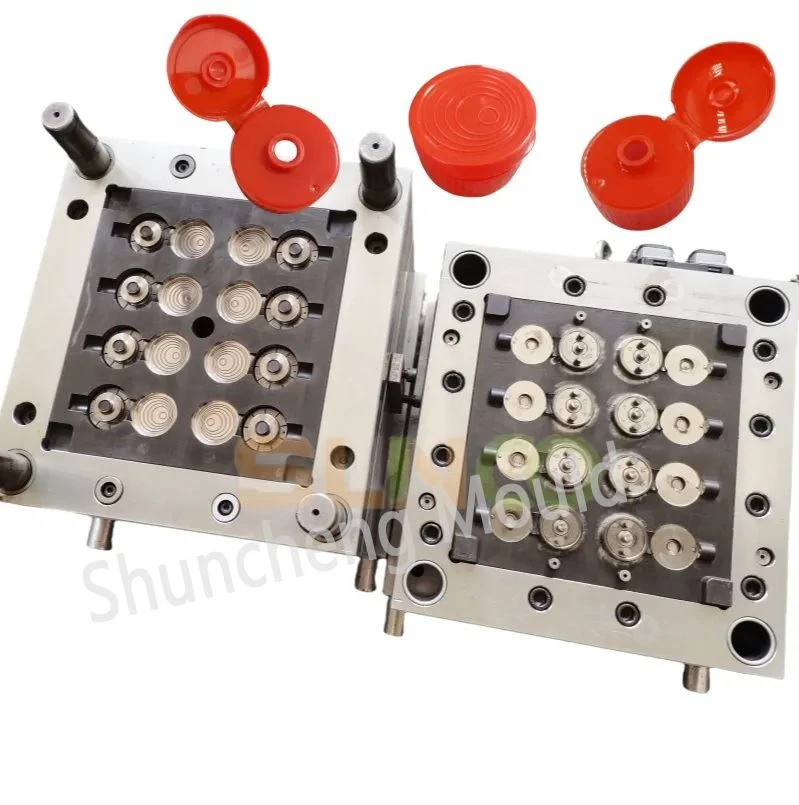
Let's take a look at some specific examples of home appliance moulds. For a small home appliance, a Plastic Flip Top Cap Mould is a great example. This mould is used to create the flip - top caps for small containers, like those used in some small - scale food or beverage appliances. It needs to be precise to ensure a proper fit and easy opening and closing.
For a medium - sized example, a Household Plastic Trash Can Mould is used to make plastic trash cans, which are considered small - to medium - sized home appliances. The mould has to be designed to create a durable and functional trash can with a proper lid and a suitable shape for easy handling.
As a bit of a side note, although not a home appliance mould, a Automotive Grille Injection Mould shows the high - precision and complex design requirements similar to some large home appliance moulds. It needs to create a grille with a specific pattern and strength to fit the vehicle's design.
Why Choose Us?
If you're in the market for home appliance moulds, whether for large or small appliances, we've got you covered. Our team of experts has years of experience in designing and manufacturing high - quality moulds. We understand the unique requirements of both large and small home appliances and can provide customized solutions to meet your needs.
We use the latest technology and equipment to ensure the highest level of precision and quality in our moulds. Whether you need a single prototype mould or a set of production - ready moulds, we can handle it. Our goal is to help you reduce costs, improve production efficiency, and bring high - quality home appliances to the market.
If you're interested in discussing your home appliance mould needs, don't hesitate to reach out. We're here to answer all your questions and work with you to find the best moulding solutions for your products. Let's start a conversation and see how we can collaborate to take your home appliance business to the next level.
References
- Smith, J. (2020). "Advances in Home Appliance Mould Manufacturing". Journal of Manufacturing Technology.
- Johnson, A. (2019). "Comparative Analysis of Mould Materials for Different Home Appliance Sizes". International Journal of Materials Science.