

When it comes to manufacturing washing machines, the role of washing machine moulds cannot be overstated. As a professional washing machine mould supplier, I've encountered various queries from clients about common sizes of these crucial tools. In this blog, I'll share insights into the typical sizes of different types of washing machine moulds.
Common Sizes Based on Washing Machine Capacity
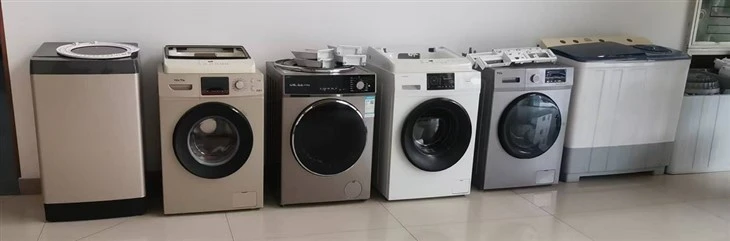
The capacity of a washing machine is one of the primary factors influencing the size of its moulds. Generally, washing machines are classified into small, medium, and large - capacity models, each corresponding to specific mould dimensions.
Small - Capacity Washing Machines (2 - 5 kg)
Small - capacity washing machines are popular for single - person households or for washing delicate items. The moulds for these machines are relatively compact. For example, the Washing Machine Inner Drum Bottom Mould for a 2 - 3 kg washing machine usually has a diameter of around 300 - 400 mm. This smaller size allows for the efficient production of the inner drum bottom, which is proportionate to the overall small volume of the washing machine.
The Washing Machine Base Mould for small - capacity machines typically has a length and width ranging from 400 - 500 mm and a height of about 100 - 150 mm. These dimensions ensure that the base can provide stable support for the relatively lightweight and small - sized washing machine.
Medium - Capacity Washing Machines (6 - 9 kg)
Medium - capacity washing machines are the most common type found in households. They offer a good balance between capacity and space requirements. The inner drum bottom mould for a 6 - 7 kg washing machine may have a diameter of 450 - 550 mm. This larger diameter is necessary to accommodate a larger volume of laundry.
The base mould for medium - capacity machines usually has a length of 550 - 650 mm, a width of 500 - 600 mm, and a height of 120 - 180 mm. These dimensions provide a stable foundation for the machine while also fitting well in standard laundry spaces.
Large - Capacity Washing Machines (10 kg and above)
Large - capacity washing machines are designed for large families or commercial settings. The Washing Machine Inner Drum Bottom Mould for a 12 - 15 kg washing machine can have a diameter of 600 - 700 mm or even larger. This significant increase in diameter allows for a much larger drum volume.
The corresponding base mould has more substantial dimensions. It typically has a length of 700 - 800 mm, a width of 650 - 750 mm, and a height of 150 - 200 mm. These larger base mould sizes are essential to support the heavy weight and large size of the high - capacity washing machine.
Sizes of Different Mould Components
Apart from the overall size differences based on washing machine capacity, different mould components also have their own characteristic sizes.
Inner Drum Moulds
The inner drum is a critical part of the washing machine, and its mould size is determined by the shape and volume of the drum. The height of the inner drum mould can range from 300 mm for small - capacity machines to over 800 mm for large - capacity ones. The wall thickness of the inner drum, which is also determined by the mould design, usually varies between 2 - 5 mm. This thickness provides the drum with the necessary strength and durability to withstand the rigors of washing cycles.
Door Moulds
Washing machine doors come in various shapes and sizes. For front - loading washing machines, the door mould typically has a circular or oval shape. The diameter of the door mould for a small - capacity front - loader can be around 300 - 350 mm, while for a large - capacity one, it can reach 400 - 450 mm. Top - loading washing machine door moulds, which are usually rectangular, have different length and width dimensions depending on the machine's capacity. Small - capacity top - loaders may have door moulds with dimensions of around 350 x 400 mm, and large - capacity ones can have door moulds up to 500 x 600 mm.
Control Panel Moulds
The control panel mould size is related to the number and type of controls on the washing machine. For basic models with a few simple buttons and a small display, the control panel mould can be relatively small, with dimensions of around 150 x 200 mm. However, for high - end models with advanced touch - screen controls and a larger display area, the control panel mould can be as large as 300 x 400 mm or more.
Standardization and Customization
In the washing machine mould industry, there is a certain degree of standardization in sizes. This is because many washing machine manufacturers follow general industry standards to ensure compatibility and interchangeability of parts. For example, the mounting holes and connection points on the base moulds are often standardized to fit different washing machine frames.
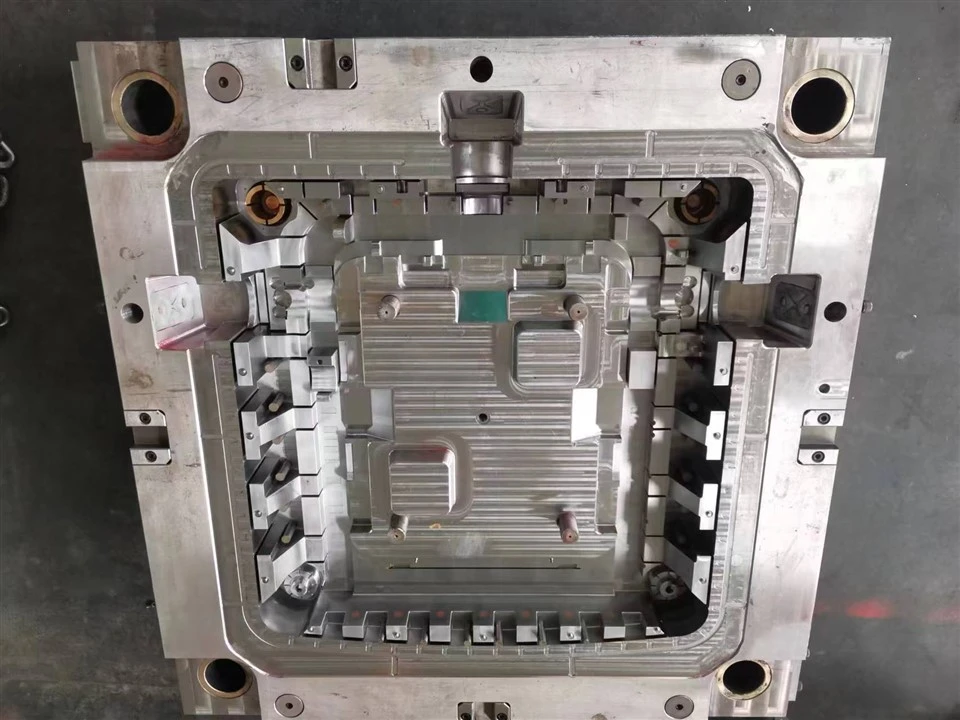
However, customization is also a significant aspect. Many manufacturers require unique mould sizes to create distinctive product designs or to meet specific market demands. As a washing machine mould supplier, we are well - equipped to handle both standard and custom - sized moulds. We use advanced CAD/CAM technology to design and manufacture moulds with high precision, whether they are standard or customized.
The Role of Material and Manufacturing Process in Size Determination
The material used for the washing machine moulds and the manufacturing process also play a role in determining the final size. For example, if we use high - strength steel for the mould, we can design thinner walls for the mould components without sacrificing strength. This can lead to a reduction in the overall size and weight of the mould, which in turn can reduce the cost of transportation and storage.
The manufacturing process, such as injection molding for Washing Machine Injection Mould, requires careful consideration of shrinkage rates. Different plastics have different shrinkage rates during the cooling process after injection. We have to take these factors into account when designing the mould size to ensure that the final washing machine parts meet the required dimensions.
Conclusion
Understanding the common sizes of washing machine moulds is essential for both washing machine manufacturers and mould suppliers. Whether it's the size variations based on washing machine capacity or the specific sizes of different mould components, each aspect plays a crucial role in the production process.
If you are in the business of washing machine manufacturing and are looking for high - quality washing machine moulds, we are here to serve you. We have a team of experienced engineers and technicians who can provide you with professional advice on mould sizes and designs. Whether you need standard or customized moulds, we can meet your requirements. Contact us for procurement discussions, and let's work together to create excellent washing machine products.
References
- Industry reports on washing machine manufacturing
- Technical specifications from leading washing machine manufacturers