

Corrosion in plastic toy moulds is a significant concern for suppliers like us. As a Plastic Toy Mould supplier, we have witnessed firsthand the detrimental effects of corrosion on the quality and lifespan of our products. In this blog, we will explore the various causes of corrosion in plastic toy moulds and discuss how to mitigate these issues.
1. Environmental Factors
One of the primary causes of corrosion in plastic toy moulds is the environment in which they are stored and used. Humidity, temperature, and exposure to chemicals can all contribute to the corrosion process.
Humidity
High humidity levels can create a moist environment that promotes the growth of rust and other forms of corrosion. When moisture comes into contact with the metal surface of the mould, it can initiate a chemical reaction that leads to the formation of iron oxide (rust). This is especially true in coastal areas or regions with high levels of rainfall. To prevent corrosion caused by humidity, it is essential to store moulds in a dry environment with controlled humidity levels. Dehumidifiers can be used to reduce the moisture content in the air, and moulds should be properly covered and protected when not in use.
Temperature
Extreme temperatures can also have a negative impact on plastic toy moulds. High temperatures can cause the metal to expand, which can lead to stress and cracking. On the other hand, low temperatures can make the metal more brittle and prone to damage. Additionally, rapid temperature changes can cause condensation to form on the surface of the mould, which can accelerate the corrosion process. To minimize the effects of temperature, moulds should be stored in a temperature-controlled environment. Avoid exposing moulds to direct sunlight or extreme heat sources, and ensure that they are gradually cooled or heated when necessary.
Chemical Exposure
Plastic toy moulds may come into contact with various chemicals during the manufacturing process, such as cleaning agents, lubricants, and release agents. Some of these chemicals can be corrosive and can damage the metal surface of the mould. For example, acidic cleaning agents can react with the metal and cause it to corrode. To prevent chemical corrosion, it is important to use only approved cleaning and maintenance products that are specifically designed for plastic toy moulds. Follow the manufacturer's instructions carefully when using these products, and avoid overexposure to chemicals.
2. Material Selection
The choice of materials used in the construction of plastic toy moulds can also affect their susceptibility to corrosion. Different metals have different levels of corrosion resistance, and selecting the right material is crucial for ensuring the longevity of the mould.
Steel Quality
Most plastic toy moulds are made from steel, which is a strong and durable material. However, not all steels are created equal, and the quality of the steel can have a significant impact on its corrosion resistance. High-quality steels that are specifically designed for mould making are typically more resistant to corrosion than lower-grade steels. These steels often contain alloying elements such as chromium, nickel, and molybdenum, which can enhance their corrosion resistance. When selecting a steel for a plastic toy mould, it is important to consider the specific requirements of the application and choose a steel that offers the appropriate level of corrosion resistance.
Surface Treatment
In addition to the quality of the steel, the surface treatment of the mould can also play a role in preventing corrosion. Surface treatments such as plating, coating, and nitriding can provide a protective layer on the surface of the mould, which can help to prevent corrosion. For example, chrome plating can provide a hard, smooth surface that is resistant to wear and corrosion. Nitriding can also improve the surface hardness and corrosion resistance of the mould. When considering a surface treatment for a plastic toy mould, it is important to consult with a professional to determine the most appropriate treatment for the specific application.
3. Manufacturing Processes
The manufacturing processes used to produce plastic toy moulds can also introduce factors that contribute to corrosion.
Machining and Grinding
During the machining and grinding processes, the surface of the mould can be damaged, leaving microscopic scratches and imperfections. These scratches can act as sites for corrosion to start, as they provide a pathway for moisture and chemicals to penetrate the metal surface. To minimize the risk of corrosion caused by machining and grinding, it is important to use high-quality tools and techniques. After machining and grinding, the mould should be carefully cleaned and polished to remove any debris and smooth the surface.
Welding
Welding is often used in the manufacturing of plastic toy moulds to join different parts together. However, if the welding process is not performed correctly, it can create areas of weakness in the metal that are more susceptible to corrosion. For example, improper welding can result in the formation of cracks or porosity, which can allow moisture and chemicals to enter the metal. To ensure the integrity of the welds and prevent corrosion, it is important to use experienced welders and follow proper welding procedures. After welding, the mould should be inspected for any signs of damage and treated as necessary.

4. Usage and Maintenance
The way plastic toy moulds are used and maintained can also have a significant impact on their corrosion resistance.
Improper Usage
Using plastic toy moulds in a way that is not intended can increase the risk of corrosion. For example, overloading the mould or using it with incompatible materials can cause stress and damage to the metal surface. Additionally, using the mould at high temperatures or pressures that exceed its design specifications can also lead to corrosion. To prevent corrosion caused by improper usage, it is important to follow the manufacturer's instructions carefully and use the mould only for its intended purpose.
Lack of Maintenance
Regular maintenance is essential for preventing corrosion in plastic toy moulds. Failure to clean and lubricate the mould regularly can allow dirt, debris, and moisture to accumulate on the surface, which can accelerate the corrosion process. Additionally, neglecting to inspect the mould for signs of damage or wear can result in small problems becoming major issues. To ensure the longevity of plastic toy moulds, it is important to establish a regular maintenance schedule. This should include cleaning the mould after each use, lubricating the moving parts, and inspecting the mould for any signs of damage. Any issues should be addressed promptly to prevent further corrosion.
Mitigating Corrosion
To mitigate the effects of corrosion in plastic toy moulds, we recommend the following steps:
- Proper Storage: Store moulds in a dry, temperature-controlled environment to minimize the effects of humidity and temperature.
- Material Selection: Choose high-quality steels with appropriate corrosion resistance and consider surface treatments to enhance protection.
- Manufacturing Quality: Ensure that the manufacturing processes are carried out correctly to minimize surface damage and ensure the integrity of the mould.
- Usage and Maintenance: Use the moulds as intended and follow a regular maintenance schedule to keep them clean and lubricated.
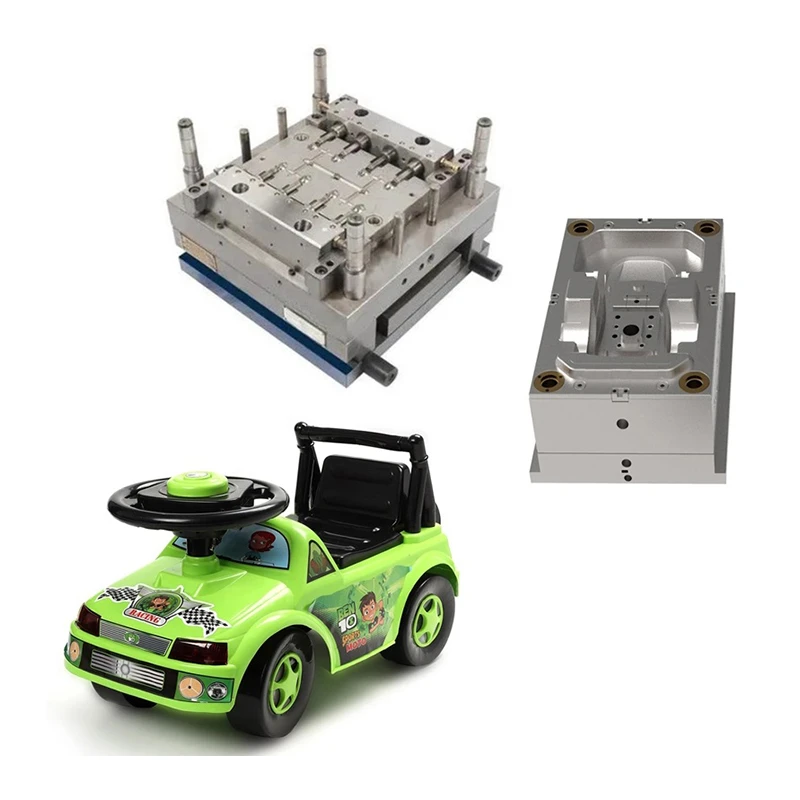
As a Plastic Toy Mould supplier, we are committed to providing high-quality products that are resistant to corrosion. Our Plastic Toy Injection Mould, Toy Car Mold, and Children Electrical Car Mould are designed and manufactured with the latest technologies and materials to ensure their durability and performance.
If you are interested in purchasing plastic toy moulds or have any questions about corrosion prevention, please feel free to contact us for more information. We look forward to discussing your specific needs and providing you with the best solutions for your plastic toy manufacturing requirements.
References
- ASM Handbook Committee. (2003). ASM Handbook, Volume 13A: Corrosion: Fundamentals, Testing, and Protection. ASM International.
- Schweitzer, P. A. (2004). Corrosion Resistance Tables, Fourth Edition. Marcel Dekker.
- Uhlig, H. H., & Revie, R. W. (1985). Corrosion and Corrosion Control: An Introduction to Corrosion Science and Engineering. John Wiley & Sons.