

Maintaining a helmet mould is crucial for any helmet manufacturer or mould supplier. As a helmet mould supplier, I understand the significance of proper mould maintenance in ensuring the quality, longevity, and efficiency of the moulds. In this blog post, I will share some essential tips on how to maintain a helmet mould effectively.
Understanding the Importance of Helmet Mould Maintenance
Helmet moulds are precision tools used to manufacture various types of helmets, including Motorcycle Helmet Mould, Safety Helmet Mould, and Plastic Safety Helmet Mould. These moulds are subjected to high pressure, temperature, and wear during the manufacturing process. Without proper maintenance, they can develop issues such as corrosion, wear and tear, and dimensional inaccuracies, which can affect the quality of the helmets produced and increase production costs.

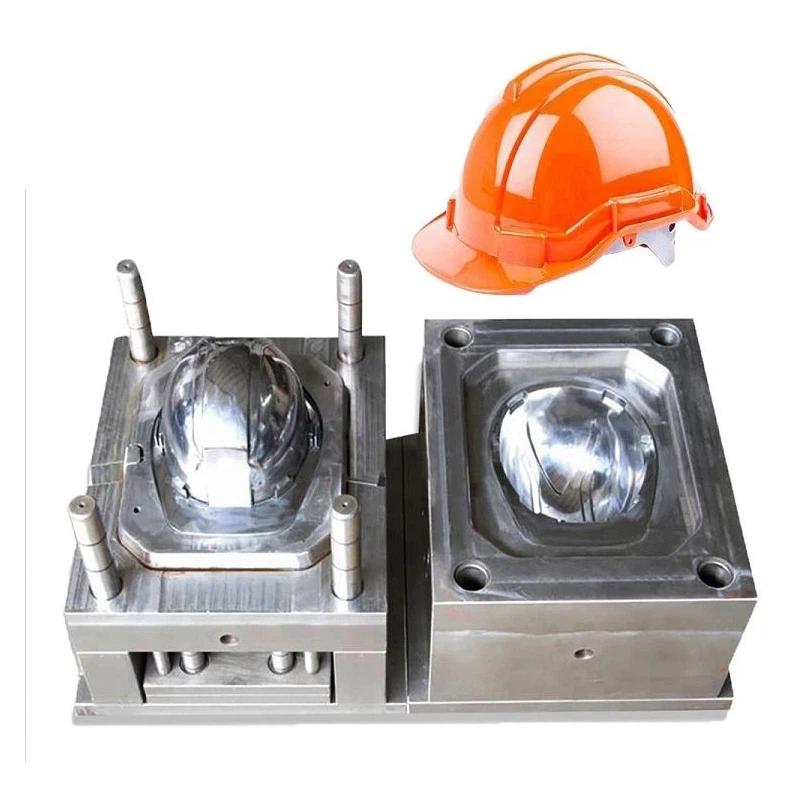
Regular Cleaning
One of the most basic yet important steps in helmet mould maintenance is regular cleaning. After each production cycle, the mould should be cleaned thoroughly to remove any residual plastic, lubricants, or debris. This can be done using a soft brush, compressed air, or a mild cleaning solution. Avoid using abrasive materials or harsh chemicals that can damage the mould surface.
- Initial Cleaning: Immediately after the mould is removed from the injection moulding machine, use compressed air to blow out any loose plastic particles or debris from the cavities and vents. This helps prevent the accumulation of material that can harden over time and become difficult to remove.
- Deep Cleaning: Periodically, perform a more thorough cleaning using a suitable cleaning agent. Immerse the mould in a cleaning tank or use a spray-on cleaner and allow it to soak for the recommended time. Then, use a soft brush to gently scrub the surfaces, paying special attention to areas with stubborn residue. Rinse the mould thoroughly with clean water and dry it completely to prevent rust.
Inspection and Monitoring
Regular inspection of the helmet mould is essential to detect any signs of damage or wear early. Inspect the mould for cracks, scratches, dents, and other defects that could affect the quality of the helmets. Check the alignment of the mould halves, the condition of the ejector pins, and the functionality of the cooling channels. Use precision measuring tools to ensure that the mould dimensions are within the specified tolerance.
- Visual Inspection: Conduct a visual inspection of the mould before and after each production run. Look for any visible signs of damage, such as cracks, chips, or discoloration. Pay close attention to the edges of the cavities, the parting line, and the areas where the plastic enters the mould.
- Functional Testing: Periodically perform functional tests on the mould to ensure that all components are working properly. Check the movement of the ejector pins, the operation of the slides and cores, and the sealing of the mould halves. Any issues should be addressed immediately to prevent further damage.
- Dimensional Inspection: Use measuring instruments such as calipers, micrometers, and coordinate measuring machines (CMMs) to measure the critical dimensions of the mould. Compare the measurements with the design specifications to ensure that the mould is still within tolerance. If any dimensions are out of spec, the mould may need to be repaired or re-machined.
Lubrication
Proper lubrication is essential for the smooth operation of the helmet mould. Lubricate the moving parts of the mould, such as the ejector pins, slides, and cores, to reduce friction and wear. Use a high-quality lubricant that is compatible with the mould material and the plastic resin being used. Apply the lubricant sparingly to avoid contamination of the mould cavities.
- Selecting the Right Lubricant: Choose a lubricant that is specifically designed for use in injection moulding applications. Consider factors such as the temperature, pressure, and type of plastic being processed. Some lubricants are formulated to withstand high temperatures and provide long-lasting protection, while others are designed for use with specific types of plastics.
- Application Method: Apply the lubricant to the moving parts using a brush, spray, or a lubrication system. Make sure to cover all surfaces evenly and avoid over-lubrication, which can attract dirt and debris and cause problems. Follow the manufacturer's recommendations for the frequency of lubrication.
Corrosion Prevention
Corrosion is a common problem in helmet moulds, especially those made of steel. To prevent corrosion, the mould should be stored in a dry environment and coated with a corrosion-resistant agent. If the mould is exposed to moisture or chemicals during the production process, it should be dried immediately and treated with a rust inhibitor.
- Storage Conditions: Store the helmet mould in a clean, dry, and temperature-controlled environment. Use a storage rack or cabinet to keep the mould off the floor and protect it from dust and moisture. If possible, store the mould in a humidity-controlled room to prevent rust.
- Coating Application: Apply a corrosion-resistant coating to the mould surface to provide an additional layer of protection. There are various types of coatings available, such as chrome plating, nickel plating, and PTFE coatings. Choose a coating that is suitable for the specific application and provides good adhesion and durability.
Repair and Restoration
If any damage or wear is detected during the inspection, the helmet mould should be repaired or restored as soon as possible. Minor defects can often be repaired in-house using simple tools and techniques, such as filing, sanding, and welding. However, more severe damage may require the services of a professional mould repair shop.
- In-House Repairs: For minor scratches or dents, in-house repairs can be carried out using basic tools. Use a fine-grit sandpaper to smooth out the surface and remove any sharp edges. For small cracks, a suitable welding repair can be performed by a qualified technician. Make sure to follow the proper welding procedures and use the correct filler material to ensure a strong and reliable repair.
- Professional Restoration: If the damage is extensive or requires specialized equipment, it is recommended to send the mould to a professional mould repair shop. These shops have the expertise and equipment to perform complex repairs, such as re-machining, heat treatment, and surface finishing. They can also provide advice on the best way to prevent future damage.
Training and Education
Proper training of the operators and maintenance personnel is essential for effective helmet mould maintenance. Provide training on the correct use and handling of the mould, as well as the importance of maintenance procedures. Ensure that the operators are familiar with the mould's features, functions, and maintenance requirements.
- Operator Training: Train the operators on how to operate the injection moulding machine correctly to minimize stress on the mould. Teach them how to load and unload the mould safely, adjust the machine settings, and troubleshoot common problems. Provide them with a checklist for pre-start and post-run inspections to ensure that the mould is in good condition before and after each production cycle.
- Maintenance Training: Provide maintenance personnel with comprehensive training on helmet mould maintenance procedures. Teach them how to clean, inspect, lubricate, and repair the mould using the proper tools and techniques. Encourage them to stay updated on the latest maintenance practices and technologies to improve the efficiency and effectiveness of the maintenance process.
Documentation and Record-Keeping
Maintaining detailed records of the helmet mould maintenance activities is important for tracking the mould's history, performance, and maintenance costs. Keep records of the cleaning schedules, inspection results, repair and restoration work, and any other relevant information. This documentation can be used to identify trends, plan for future maintenance, and demonstrate compliance with quality standards.
- Maintenance Logs: Keep a maintenance log for each helmet mould, recording the date, time, and details of each maintenance activity. Include information such as the type of cleaning performed, the lubricant used, the inspection findings, and any repairs or adjustments made. This log provides a historical record of the mould's maintenance history and can be used to track its performance over time.
- Inspection Reports: Generate detailed inspection reports after each inspection, documenting the condition of the mould and any issues found. Include photographs or diagrams to illustrate the defects and provide recommendations for repair or maintenance. These reports can be used to communicate the inspection results to management, production personnel, and other stakeholders.
Conclusion
Maintaining a helmet mould is a critical aspect of helmet manufacturing. By following these tips on regular cleaning, inspection, lubrication, corrosion prevention, repair, training, and documentation, you can ensure the longevity and performance of your helmet moulds. As a helmet mould supplier, I am committed to providing high-quality moulds and supporting our customers with their mould maintenance needs. If you have any questions or need further assistance with helmet mould maintenance, please feel free to contact us for more information and to discuss your procurement requirements.
References
- "Injection Moulding Handbook" by O. Osswald, T. Turng, and P. Gramann
- "Mould Design and Manufacturing" by R. A. Black and H. H. Yang
- "Plastic Processing Technology" by S. Paulo
- Industry standards and guidelines related to helmet mould manufacturing and maintenance