

Creating a specific surface texture on a front grille using a mould is a meticulous process that combines artistry with advanced manufacturing techniques. As a front grille mould supplier, I've had the privilege of being involved in numerous projects where achieving the perfect texture is crucial for both aesthetic and functional purposes. In this blog post, I'll share the key steps and considerations in creating a specific surface texture on a front grille using a mould.
Understanding the Importance of Surface Texture
Surface texture on a front grille is not just about aesthetics; it also plays a significant role in the overall performance and durability of the grille. A well-designed texture can enhance the aerodynamics of the vehicle, reduce noise, and improve the grille's resistance to scratches and other forms of damage. Additionally, the texture can be used to create a unique brand identity for the vehicle, making it stand out on the road.
Designing the Texture
The first step in creating a specific surface texture on a front grille using a mould is to design the texture. This involves working closely with the client to understand their requirements and preferences. The texture can be inspired by various sources, such as nature, architecture, or automotive design trends. Once the concept is finalized, the design team uses advanced software to create a 3D model of the grille with the desired texture.
During the design process, it's important to consider the manufacturing constraints. The texture should be designed in a way that can be easily replicated using the moulding process. This means avoiding sharp edges, deep recesses, or other features that may cause problems during demoulding. Additionally, the texture should be consistent across the entire surface of the grille to ensure a uniform appearance.
Selecting the Right Moulding Material
The choice of moulding material is crucial for achieving the desired surface texture on the front grille. There are several factors to consider when selecting the material, including its mechanical properties, chemical resistance, and cost. Common materials used for front grille moulding include polypropylene (PP), acrylonitrile butadiene styrene (ABS), and polycarbonate (PC).
PP is a popular choice for front grilles due to its low cost, good chemical resistance, and excellent flow properties. It can be easily moulded into complex shapes and can achieve a wide range of surface textures. ABS is another commonly used material, known for its high impact strength and good surface finish. It can be used to create a smooth, glossy texture or a more textured appearance. PC is a high-performance material that offers excellent transparency, heat resistance, and impact strength. It is often used for high-end front grilles that require a premium look and feel.
Creating the Mould
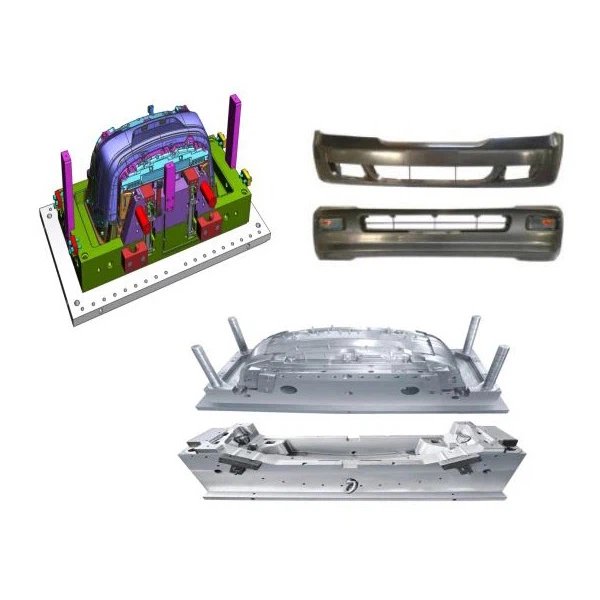
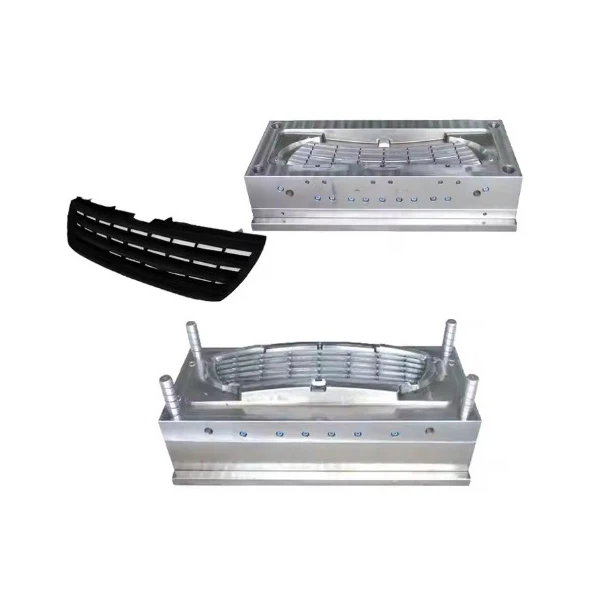
Once the design is finalized and the material is selected, the next step is to create the mould. This is a highly specialized process that requires precision engineering and advanced manufacturing techniques. The mould is typically made from steel or aluminum, depending on the complexity of the design and the production volume.
The first step in creating the mould is to machine the cavity and core. This is done using computer numerical control (CNC) machining, which allows for high precision and accuracy. The cavity and core are then polished to achieve a smooth surface finish. Next, the texture is added to the mould using a variety of techniques, such as etching, laser engraving, or electroforming.
Etching is a common method for creating surface textures on moulds. It involves using a chemical solution to remove material from the surface of the mould, creating a pattern or texture. Laser engraving is another popular technique that uses a high-powered laser to remove material from the mould surface. This method allows for precise control over the depth and shape of the texture. Electroforming is a more advanced technique that involves depositing a thin layer of metal onto a patterned mandrel. The mandrel is then removed, leaving behind a mould with the desired texture.
Testing and Validation
Before the mould is used for production, it's important to test and validate it to ensure that it meets the required specifications. This involves producing a small batch of front grilles using the mould and inspecting them for quality. The grilles are examined for any defects, such as surface imperfections, dimensional variations, or warping.
If any issues are identified during the testing phase, the mould is modified and retested until the desired results are achieved. This iterative process ensures that the final product meets the highest standards of quality and performance.
Production and Quality Control
Once the mould is approved, the production process can begin. The mould is installed in an injection moulding machine, and the molten plastic material is injected into the cavity under high pressure. The plastic then cools and solidifies, taking on the shape of the mould. After the part is ejected from the mould, it undergoes a series of post-processing steps, such as trimming, painting, and assembly.
Throughout the production process, strict quality control measures are implemented to ensure that each front grille meets the required specifications. This includes visual inspection, dimensional measurement, and functional testing. Any parts that do not meet the quality standards are rejected and recycled.
Conclusion
Creating a specific surface texture on a front grille using a mould is a complex and challenging process that requires a combination of design expertise, engineering skills, and advanced manufacturing techniques. As a [Front Grille Mould Supplier], we have the experience and capabilities to deliver high-quality front grille moulds that meet the most demanding requirements.
If you're interested in learning more about our [Automotive Radiator Grille Tooling Mold] or [Radiator Grille Mould], please visit our website at [/auto-parts-mould/grille-mould/automotive-radiator-grille-tooling-mold.html] and [/auto-parts-mould/grille-mould/radiator-grille-mould.html]. For more information about our [Front Grille Mould], please visit [/auto-parts-mould/grille-mould/front-grille-mould.html]. We're always happy to discuss your specific needs and provide you with a customized solution. Contact us today to start the conversation and take your front grille design to the next level.
References
- "Injection Moulding Handbook" by O. Osswald, T. Turng, and P. Gramann
- "Plastics Materials and Processing" by James F. Carley
- "Automotive Plastics and Composites" by John Summerskill