

Hey there! As a supplier of Plastic Chair Moulds, I often get asked if there are different sizes of plastic chair moulds available. The short answer is yes, and in this blog, I'll dive deep into the world of plastic chair mould sizes, the factors influencing them, and why it matters to you.
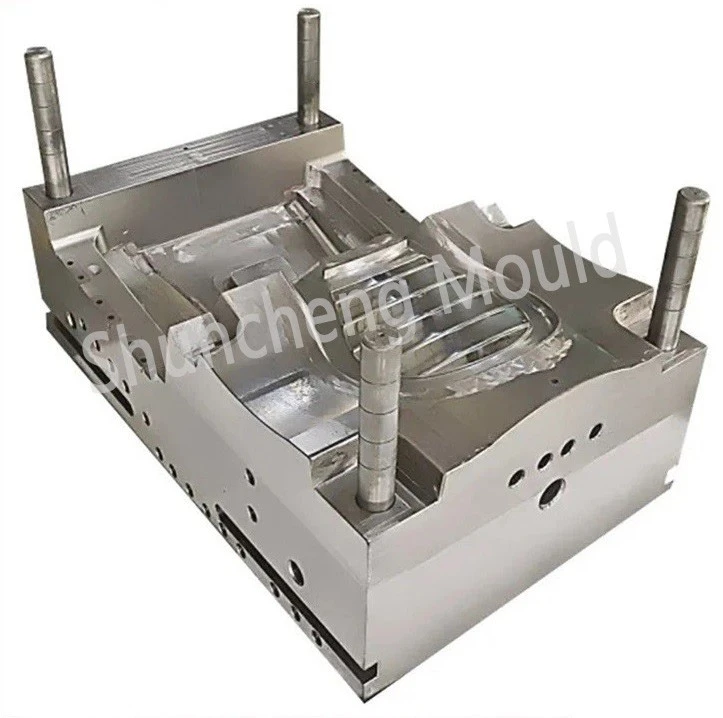
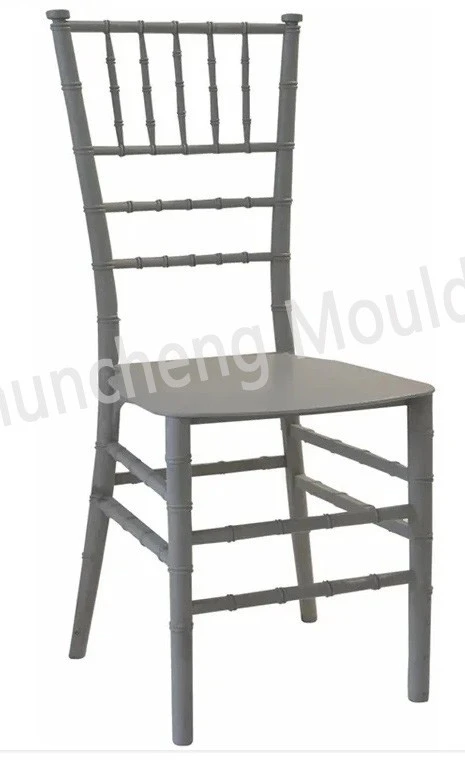
The Variety of Plastic Chair Mould Sizes
Let's start with the obvious - there are tons of different sizes of plastic chair moulds out there. It all boils down to the type of chair you're looking to make. For instance, if you're interested in creating Baby Chair Mould, these moulds are going to be much smaller compared to those for adult chairs. Baby chairs are designed for little ones, so they need to be compact and lightweight, which means the moulds have to be sized accordingly.
On the other hand, we have moulds for regular dining chairs, office chairs, and outdoor chairs. These come in a range of sizes, depending on the intended use and the target market. For example, office chairs often need to be adjustable and comfortable for long - term sitting, so their moulds are designed to accommodate features like armrests and lumbar support. The size of the mould will reflect these additional components.
Then there are the larger plastic chairs, like those used in event venues or stadiums. These chairs need to be sturdy and able to hold a significant amount of weight, so the moulds for these are bigger and more robust. They are usually designed to be stackable, which also affects the size and shape of the mould.
Factors Influencing the Size of Plastic Chair Moulds
Functionality
The functionality of the chair is a major factor in determining the size of the mould. If a chair is designed to be a folding chair, the mould needs to account for the folding mechanism. This might require additional space within the mould to create the joints and hinges. Similarly, chairs with built - in storage compartments or cup holders will have larger moulds to incorporate these features.
Target Audience
The age and size of the target audience play a crucial role. As mentioned earlier, baby chairs are made for infants and toddlers, so their moulds are small. Adult chairs, on the other hand, are designed to fit a wide range of body sizes. Moulds for chairs in public spaces, like airports or train stations, need to be sized to accommodate people of all shapes and sizes.
Material and Manufacturing Process
The type of plastic used and the manufacturing process also influence the mould size. Some plastics require more space for expansion during the injection - moulding process. For example, if you're using a plastic with a high melting point, the mould might need to be larger to allow for proper flow and cooling of the material.
Different Types of Plastic Chair Moulds and Their Sizes
Plastic Transparent Chair Mould
Transparent plastic chairs are popular for their modern and sleek look. These chairs can come in various sizes, from small side chairs to large lounge chairs. The moulds for transparent chairs need to be precision - engineered to ensure that the final product is clear and free of defects. The size of the mould will depend on the design of the chair, whether it has a simple or complex shape.
Rattan Chair Injection Mould
Rattan - style plastic chairs are designed to mimic the look of traditional rattan chairs. These chairs often have a more intricate design, with woven patterns and curved shapes. The moulds for these chairs are typically larger than those for simple plastic chairs, as they need to capture the detailed texture and shape of the rattan.
Why the Size of Plastic Chair Moulds Matters to You
Cost - Efficiency
The size of the mould can have a significant impact on the cost of production. Larger moulds generally require more material and more time to manufacture. This means that the initial investment in a large - sized mould will be higher. However, if you're producing a high volume of chairs, the cost per unit might be lower in the long run. On the other hand, smaller moulds are cheaper to make, but if you need to produce a large number of chairs, you might end up spending more on multiple moulds.
Production Capacity
The size of the mould also affects the production capacity. Larger moulds might take longer to inject and cool, which can slow down the production process. Smaller moulds, on the other hand, can be produced more quickly, allowing for a higher volume of chairs to be made in a shorter period.
Market Demand
Understanding the size of the moulds and the chairs they produce is essential to meet market demand. If there is a high demand for a particular type of chair, like outdoor lounge chairs, you need to have the right - sized moulds to produce them. Having a variety of mould sizes in your inventory allows you to be flexible and respond to changing market trends.
Conclusion
In conclusion, there are definitely different sizes of plastic chair moulds available, and each size is influenced by a variety of factors. As a supplier of Plastic Chair Moulds, I understand the importance of offering a diverse range of sizes to meet the needs of different customers. Whether you're a small - scale manufacturer looking for a baby chair mould or a large - scale producer in need of a mould for stadium chairs, we have the right solution for you.
If you're interested in purchasing plastic chair moulds or have any questions about the sizes and types available, don't hesitate to reach out. We're here to help you find the perfect mould for your production needs and guide you through the process. Let's start a conversation and see how we can work together to bring your plastic chair designs to life.
References
- Plastic Mould Manufacturing Handbook
- Industry Reports on Plastic Chair Production