

Evaluating the performance of a washing machine mould supplier is a crucial process for any business involved in the manufacturing of washing machines. As a washing machine mould supplier myself, I understand the importance of this evaluation from both sides of the table. In this blog post, I will share some key aspects to consider when assessing the performance of a washing machine mould supplier.
1. Quality of Moulds
The most fundamental aspect of a washing machine mould supplier's performance is the quality of the moulds they produce. High - quality moulds are essential for manufacturing washing machine parts that meet the required standards.
Precision and Tolerance
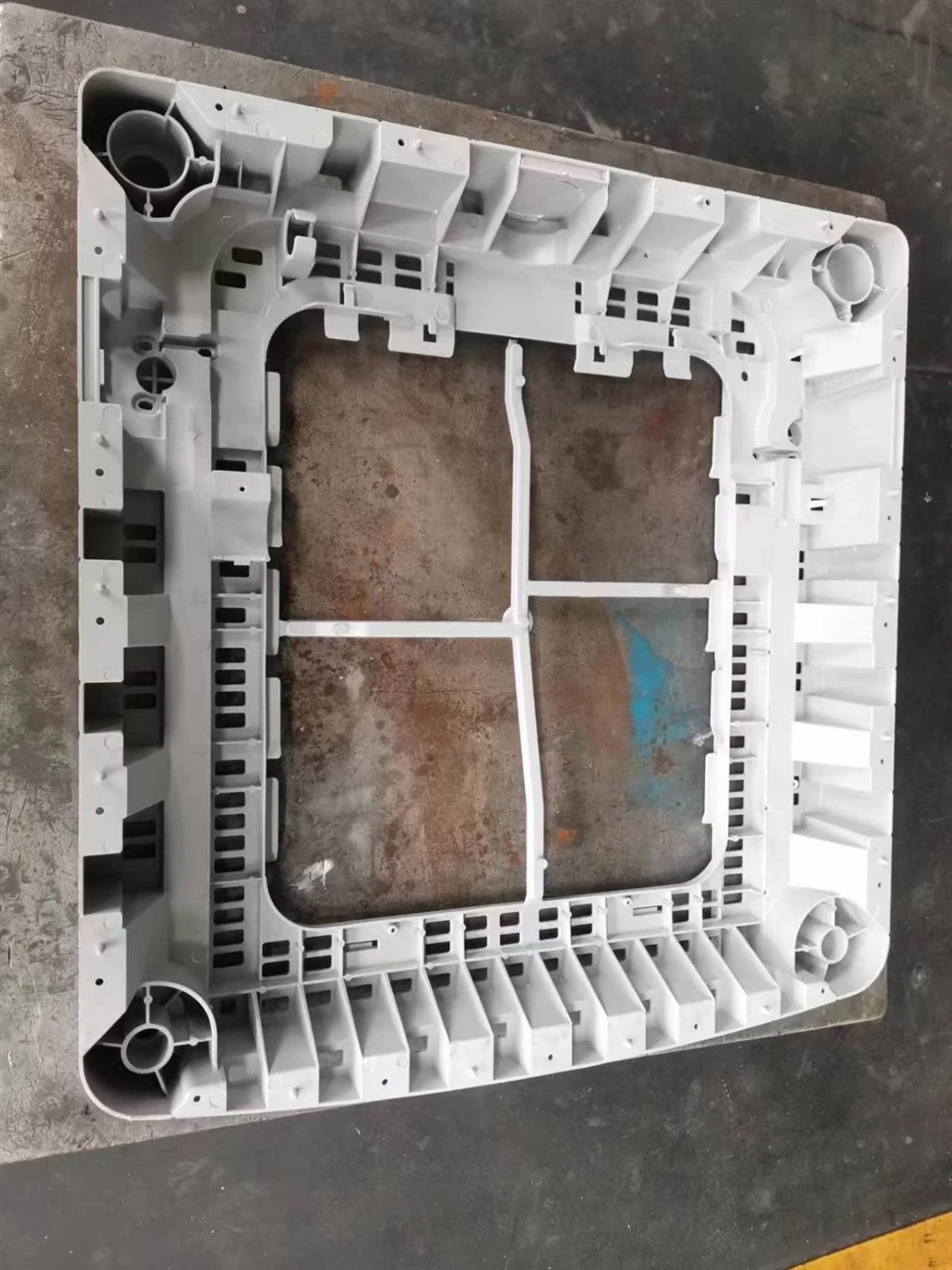
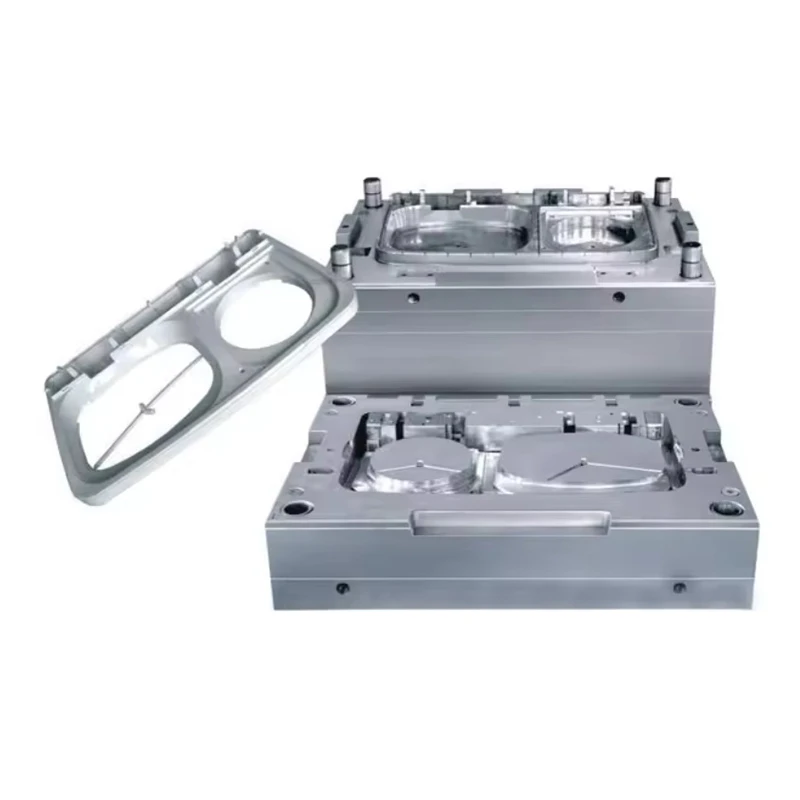
A good supplier should be able to produce moulds with high precision and tight tolerances. This ensures that the washing machine parts produced using these moulds fit together perfectly, reducing assembly errors and improving the overall quality of the washing machine. For example, the dimensions of a Washing Machine Injection Mould need to be accurate to within a few thousandths of an inch to ensure proper functionality.
Material Selection
The choice of materials for the moulds is also critical. High - grade steel or other suitable alloys should be used to ensure the durability and longevity of the moulds. A supplier that uses inferior materials may produce moulds that wear out quickly, leading to increased production costs and downtime for the manufacturer.
Surface Finish
The surface finish of the moulds can significantly impact the appearance and performance of the washing machine parts. A smooth surface finish can reduce friction, improve the flow of plastic during the injection - molding process, and result in parts with a better aesthetic appeal.
2. Technical Capabilities
A washing machine mould supplier's technical capabilities play a vital role in their performance.
Design and Engineering Expertise
The supplier should have a team of experienced designers and engineers who can understand the specific requirements of the washing machine parts and design moulds accordingly. They should be able to use advanced CAD/CAM software to create detailed 3D models of the moulds and simulate the injection - molding process to identify and resolve potential issues before production.
Manufacturing Processes
The supplier should be proficient in a variety of manufacturing processes, such as machining, EDM (Electrical Discharge Machining), and heat treatment. Each process needs to be carefully controlled to ensure the quality of the moulds. For example, precision machining is required to achieve the accurate dimensions of the mould cavities, while proper heat treatment can enhance the hardness and strength of the moulds.
Innovation
In the fast - evolving washing machine industry, a supplier that can innovate is highly valuable. This could involve developing new mould designs that improve the efficiency of the injection - molding process, reduce waste, or enable the production of more complex washing machine parts. For instance, a supplier might develop a new type of Washing Machine Plastic Injection Mold that allows for faster cycle times and higher production volumes.
3. Production Capacity and Lead Time
The production capacity and lead time of a washing machine mould supplier are important factors for manufacturers.
Production Capacity
The supplier should have sufficient production capacity to meet the manufacturer's demand. This includes having an adequate number of machines, a well - trained workforce, and a streamlined production process. A supplier with limited production capacity may not be able to keep up with large orders, leading to delays in the manufacturing of washing machines.
Lead Time
The lead time, which is the time it takes from the placement of an order to the delivery of the moulds, is also crucial. A short lead time can give the manufacturer a competitive edge in the market. A reliable supplier should be able to provide an accurate estimate of the lead time and stick to the agreed - upon schedule. Delays in receiving the moulds can disrupt the production line and result in lost sales opportunities.
4. Cost - Effectiveness
Cost is always a significant consideration when evaluating a washing machine mould supplier.
Pricing Structure
The supplier should have a transparent and reasonable pricing structure. This includes not only the cost of the moulds themselves but also any additional charges for design, shipping, and after - sales service. A supplier that offers competitive prices without compromising on quality is ideal.
Total Cost of Ownership
In addition to the initial purchase price of the moulds, the manufacturer should also consider the total cost of ownership. This includes factors such as the maintenance cost of the moulds, the cost of repairs, and the impact of the moulds on the production efficiency. A high - quality mould may have a higher upfront cost but can result in lower total cost of ownership over its lifespan.
5. After - Sales Service
After - sales service is an important aspect of a washing machine mould supplier's performance.
Maintenance and Repair
The supplier should offer maintenance and repair services for the moulds. This can include regular inspections, cleaning, and replacement of worn - out parts. A prompt and efficient after - sales service can minimize downtime in case of mould failures and ensure the continuous operation of the production line.
Technical Support
The supplier should provide technical support to the manufacturer. This can involve assisting with the installation of the moulds, troubleshooting any issues during the injection - molding process, and providing advice on the optimal use of the moulds.
6. Quality Control and Certification
Quality control measures and certifications are indicators of a washing machine mould supplier's commitment to quality.
Quality Control System
The supplier should have a comprehensive quality control system in place. This includes inspecting the raw materials, monitoring the manufacturing process at every stage, and conducting final inspections of the finished moulds. Quality control checks can include dimensional inspections, hardness testing, and visual inspections.
Certifications
Certifications such as ISO 9001 can provide assurance that the supplier follows international quality management standards. Other relevant certifications may also be important, depending on the specific requirements of the washing machine industry.
7. Reputation and References
A supplier's reputation in the industry and their references can provide valuable insights into their performance.
Industry Reputation
A supplier with a good reputation is more likely to provide high - quality products and services. The manufacturer can research the supplier's reputation by reading online reviews, industry reports, and talking to other manufacturers in the same industry.
References
Asking for references from the supplier and contacting their previous customers can give a more detailed understanding of their performance. Previous customers can share their experiences regarding the quality of the moulds, the lead time, the cost - effectiveness, and the after - sales service.
8. Environmental Responsibility
In today's environmentally conscious world, a washing machine mould supplier's environmental responsibility is also becoming an important factor.
Sustainable Manufacturing Practices
The supplier should adopt sustainable manufacturing practices, such as reducing waste, using energy - efficient equipment, and recycling materials. This not only benefits the environment but can also lead to cost savings in the long run.
Compliance with Environmental Regulations
The supplier should comply with all relevant environmental regulations. This includes proper disposal of waste materials, reduction of emissions, and use of environmentally friendly materials whenever possible.
In conclusion, evaluating the performance of a washing machine mould supplier requires a comprehensive assessment of various factors, including the quality of the moulds, technical capabilities, production capacity, cost - effectiveness, after - sales service, quality control, reputation, and environmental responsibility. By carefully considering these aspects, manufacturers can select a reliable supplier that can meet their specific needs and help them produce high - quality washing machines.
If you are in the market for Washing Machine Base Mould or other types of washing machine moulds, we encourage you to contact us for a detailed discussion of your requirements. Our team of experts is ready to provide you with high - quality moulds and excellent service.
References
- "Injection Molding Handbook" by O. Olugboji
- "Manufacturing Engineering and Technology" by S. Kalpakjian and S. Schmid