

When it comes to the manufacturing of toys, the choice between a plastic toy mould and a metal toy mould is a critical decision that can significantly impact the production process, cost, and quality of the final product. As a seasoned plastic toy mould supplier, I've witnessed firsthand the unique characteristics and applications of both types of moulds. In this blog, I'll delve into the key differences between plastic toy moulds and metal toy moulds to help you make an informed decision for your toy manufacturing needs.
Material Composition and Properties
The most fundamental difference between plastic toy moulds and metal toy moulds lies in their material composition. Plastic toy moulds are typically made from various types of plastics, such as epoxy resin, polypropylene, or polyurethane. These plastics offer several advantages, including low cost, ease of fabrication, and the ability to create complex shapes with high precision. Plastic moulds are also lightweight, which makes them easier to handle and transport.
On the other hand, metal toy moulds are usually made from steel, aluminum, or other metals. Metals are known for their high strength, durability, and heat resistance. Metal moulds can withstand high-pressure injection processes and repeated use without significant wear and tear. They are also capable of producing toys with a high level of detail and accuracy, making them ideal for large-scale production.
Manufacturing Process
The manufacturing process for plastic toy moulds and metal toy moulds also differs significantly. Plastic toy moulds are often created using a process called casting, where a liquid plastic resin is poured into a pre-made pattern or mold. This process is relatively simple and cost-effective, making it suitable for small-scale production or prototyping. Once the plastic has cured, the mould can be removed from the pattern and used to produce toys.
Metal toy moulds, on the other hand, are typically manufactured using a machining process. This involves cutting, milling, and grinding metal blocks to create the desired shape of the mould. Machining is a more complex and time-consuming process than casting, but it allows for greater precision and control over the final product. Metal moulds can also be heat-treated to improve their hardness and durability, making them suitable for high-volume production.
Cost
Cost is another important factor to consider when choosing between a plastic toy mould and a metal toy mould. Plastic toy moulds are generally less expensive to produce than metal toy moulds, especially for small-scale production runs. The lower cost of plastic materials and the simpler manufacturing process contribute to the overall affordability of plastic moulds. However, plastic moulds may need to be replaced more frequently due to their lower durability, which can increase the long-term cost of production.
Metal toy moulds, on the other hand, have a higher upfront cost due to the more expensive materials and the complex machining process. However, metal moulds are more durable and can withstand a greater number of production cycles, making them a more cost-effective option for large-scale production. In addition, the high precision and quality of metal moulds can result in fewer defective products, reducing the overall cost of production.
Quality and Durability
The quality and durability of the final toy are also influenced by the type of mould used. Plastic toy moulds are capable of producing toys with a high level of detail and accuracy, especially when using high-quality plastic materials. However, plastic moulds may not be as durable as metal moulds and may be more prone to wear and tear over time. This can result in a decrease in the quality of the toys produced and may require more frequent mould replacements.
Metal toy moulds, on the other hand, are known for their high durability and ability to produce toys with a consistent level of quality. The high strength and heat resistance of metals allow for the production of toys with complex shapes and fine details. Metal moulds can also withstand the high pressures and temperatures involved in the injection molding process, ensuring that the toys produced are of the highest quality.
Application
The choice between a plastic toy mould and a metal toy mould also depends on the specific application of the toy. Plastic toy moulds are often used for small-scale production, prototyping, or toys that require a high level of flexibility or softness. For example, plastic moulds are commonly used to produce soft toys, figurines, and small-scale models.
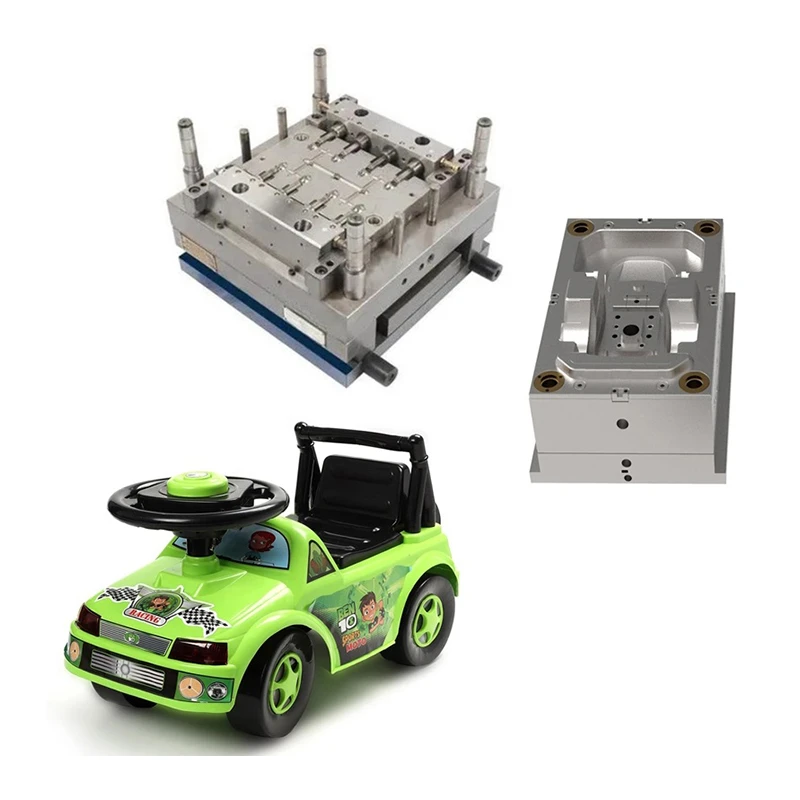
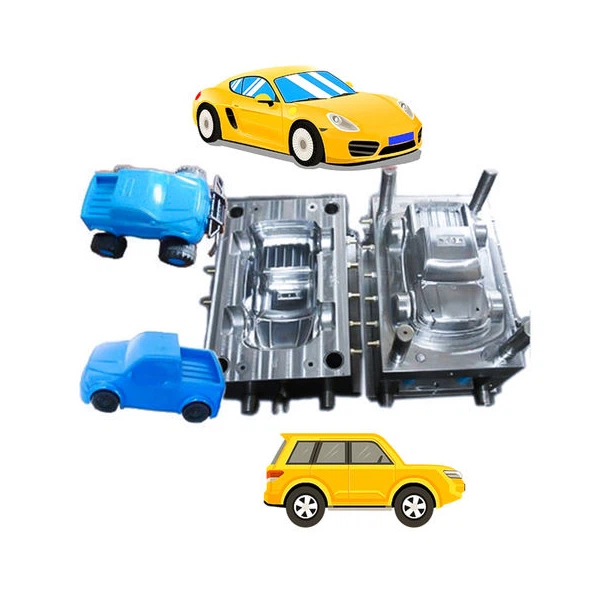
Metal toy moulds, on the other hand, are more suitable for large-scale production of toys that require a high level of precision, durability, and detail. Metal moulds are commonly used to produce toys such as action figures, cars, and electronic toys. The high quality and consistency of metal moulds make them ideal for mass-producing toys that meet the strictest quality standards.
Conclusion
In conclusion, the choice between a plastic toy mould and a metal toy mould depends on several factors, including the production volume, cost, quality requirements, and specific application of the toy. As a plastic toy mould supplier, I understand the unique advantages and disadvantages of both types of moulds and can help you make an informed decision based on your specific needs.
If you're looking for a cost-effective solution for small-scale production or prototyping, a plastic toy mould may be the right choice for you. Plastic moulds offer a high level of flexibility and can be customized to meet your specific design requirements. On the other hand, if you're planning for large-scale production of high-quality toys, a metal toy mould may be the better option. Metal moulds are more durable, precise, and capable of producing toys with a high level of detail.
Whether you choose a plastic toy mould or a metal toy mould, it's important to work with a reputable supplier who has the experience and expertise to deliver high-quality moulds that meet your specifications. If you have any questions or would like to discuss your toy manufacturing needs, please don't hesitate to [Contact Us]. We're here to help you find the perfect solution for your business.
References
- "Plastic Molding: A Comprehensive Guide." Plastics News.
- "Metal Molding Processes and Applications." Modern Machine Shop.
- "Toy Manufacturing: Trends and Technologies." Toy Industry Association.