

Hey there! As a supplier of Plastic Spool Moulds, I'm super stoked to walk you through the manufacturing process of these nifty tools. Plastic spool moulds are used to create all sorts of spools for things like cables, threads, and more. So, let's dive right in and see how these moulds are made.
Design Phase
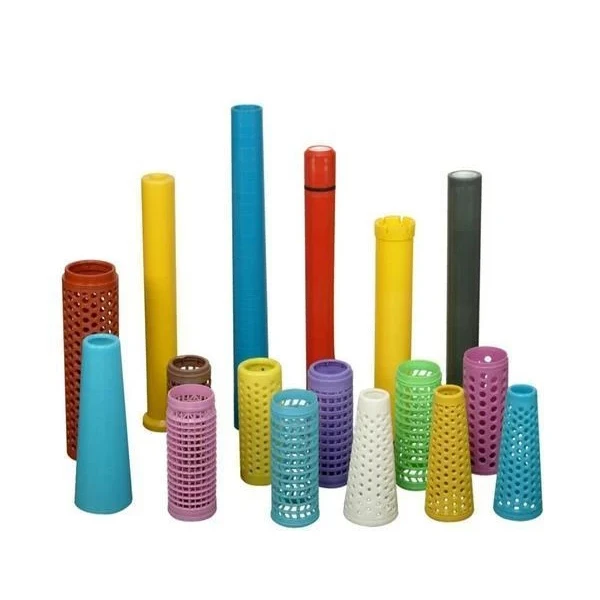
The first step in making a plastic spool mould is the design phase. This is where the magic starts. We work closely with our clients to understand their specific needs. They tell us about the size, shape, and features they want for their spools. Do they need a Plastic Bobbin Coil Mold for winding delicate wires, or a Cable Spool Plastic Injection Mold for heavy - duty cables?
We use advanced 3D modeling software to create a virtual design of the mould. This allows us to visualize the final product and make any necessary adjustments before we start cutting metal. We check for things like wall thickness, draft angles, and gate locations. Draft angles are really important as they help the spool to be easily ejected from the mould after it's formed. Gate locations determine where the molten plastic will enter the mould cavity, and getting this right is crucial for a high - quality spool.
Material Selection
Once the design is finalized, it's time to choose the right material for the mould. We usually go for high - quality tool steels. These steels are known for their hardness, wear resistance, and ability to withstand high temperatures. The type of steel we select depends on factors like the production volume, the type of plastic to be used, and the complexity of the mould design.
For low - volume production, we might use a less expensive steel that still gets the job done. But for high - volume production, we opt for premium steels that can handle the repeated stress of injecting plastic into the mould thousands of times. The steel is then heat - treated to enhance its properties, making it even stronger and more durable.
Machining
After the steel is selected and heat - treated, the machining process begins. This is where the raw block of steel is transformed into a precise mould. We use a variety of machining techniques, including milling, turning, and drilling.
Milling is used to cut and shape the outer and inner surfaces of the mould. We use computer - numerical - control (CNC) milling machines, which are super accurate. These machines can follow the 3D design precisely, creating the intricate details of the spool shape. Turning is used to create cylindrical features, like the core and cavity of the spool. Drilling is done to create holes for things like cooling channels and ejector pins.
Cooling channels are extremely important. They help to control the temperature of the mould during the injection process. By keeping the mould at the right temperature, we can ensure that the plastic cools evenly, reducing the risk of warping or other defects in the spool. Ejector pins are used to push the finished spool out of the mould once it has cooled and solidified.
Surface Finishing
Once the machining is complete, the mould goes through a surface finishing process. This is all about making the mould surface smooth and free of any imperfections. We start with grinding to remove any rough edges or marks left by the machining process. Then, we polish the mould to a high shine.
A smooth surface finish is crucial for a few reasons. Firstly, it makes it easier for the plastic to flow into the mould cavity during injection. Secondly, it helps the spool to be ejected cleanly from the mould, reducing the chances of damage to the spool or the mould itself. We can also apply special coatings to the mould surface to improve its release properties and corrosion resistance.
Assembly
After the surface finishing, it's time to assemble the mould. We carefully fit all the components together, including the core, cavity, ejector pins, and cooling channels. Each part has to be precisely aligned to ensure that the mould functions correctly.
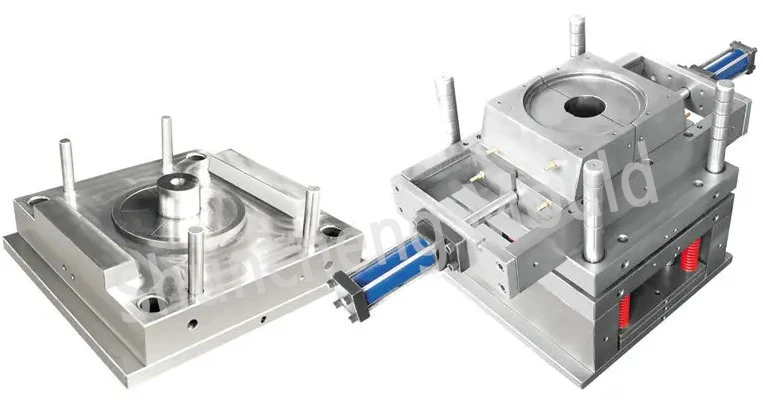
We use precision measuring tools to make sure that everything is in the right place. Once all the parts are assembled, we perform a final inspection to check for any issues. We test the movement of the ejector pins and the flow of coolant through the channels. If everything checks out, the mould is ready for testing.
Testing
Testing is a critical step in the manufacturing process. We install the mould in an injection - molding machine and run a series of test shots. We use the same type of plastic that will be used in the actual production to get accurate results.
During the test shots, we monitor the injection process closely. We check things like the fill time, the pressure required to inject the plastic, and the quality of the spools produced. If there are any issues, such as incomplete filling, warping, or flash (excess plastic), we make adjustments to the mould or the injection - molding process. This might involve changing the gate location, adjusting the cooling time, or modifying the mould temperature.
Final Adjustments and Delivery
After the testing is complete and any necessary adjustments are made, the mould is ready for final delivery. We clean the mould thoroughly and package it carefully to prevent any damage during shipping.
We also provide our clients with detailed documentation, including the design specifications, operating instructions, and maintenance guidelines. This helps them to get the most out of their new plastic spool mould.
Why Choose Our Plastic Spool Moulds
At our company, we take pride in our high - quality plastic spool moulds. We have years of experience in the industry, and our team of experts is dedicated to providing the best possible products. Our moulds are designed and manufactured using the latest technology and techniques, ensuring that they are accurate, durable, and efficient.
Whether you need a Plastic Cone Bobbin Mould for a specific application or a standard cable spool mould, we've got you covered. We offer customized solutions to meet your unique requirements, and our customer service is top - notch.
If you're in the market for a plastic spool mould, we'd love to hear from you. Contact us today to discuss your needs and get a quote. We're always happy to help you find the perfect mould for your production process.
References
- "Injection Molding Handbook" by O. Olabisi
- "Mould Design for Plastics" by P. Crawford