

Are there any safety standards for baby car molds? Well, you bet there are! As a baby car mold supplier, I've been in the thick of it, dealing with all the ins and outs of these safety standards. Let's dive right in and explore what they're all about.
First off, why do we even need safety standards for baby car molds? Babies are super vulnerable, right? They're at that stage where they put everything in their mouths, and they don't have the same immune systems as grown - ups. So, the molds used to make baby cars need to be up to scratch to ensure that the final products are safe for our little ones.
One of the most important aspects of safety standards is the material used in the molds. The materials should be non - toxic. We're talking about substances that won't leach any harmful chemicals into the baby cars during the manufacturing process. For example, some plastics can contain phthalates, which are known to be harmful to human health, especially to developing children. So, we, as suppliers, need to make sure that the plastics we use in our Plastic Toy Mould are free from these dangerous chemicals.
Another key factor is the physical structure of the mold. The mold should be designed in a way that it doesn't produce any sharp edges or rough surfaces on the baby cars. Sharp edges can cause cuts and bruises to the babies, and rough surfaces can irritate their delicate skin. So, we have to pay close attention to the precision of the mold design. We use advanced machining techniques to ensure that the molds are smooth and well - finished.
When it comes to mechanical safety, the mold should be able to withstand the pressure and stress during the injection molding process. If the mold breaks or deforms during production, it can lead to defective baby cars. Defective products might have loose parts that could pose a choking hazard to babies. That's why we test our molds rigorously to make sure they can handle the production demands.
Let's talk about the regulatory side of things. There are different safety standards around the world. In the United States, the Consumer Product Safety Commission (CPSC) sets strict guidelines for children's products, including baby cars. These guidelines cover everything from the materials used to the manufacturing processes. In Europe, the European Union has its own set of safety standards under the CE marking. Products need to meet these standards to be sold in the EU market.
As a baby car mold supplier, we have to keep up with all these different regulations. It's not always easy, but it's a must - do. We have a team that constantly monitors the changes in safety standards and updates our manufacturing processes accordingly.
Now, let's take a look at how these safety standards impact our business. On one hand, it means we have to invest more in research and development. We need to find the best materials and the most advanced manufacturing techniques to meet the high - end safety requirements. This can increase our costs. But on the other hand, it also gives us a competitive edge. Parents are more likely to buy baby cars that are made with molds that meet strict safety standards. They want to make sure their kids are safe, and we can provide them with that peace of mind.
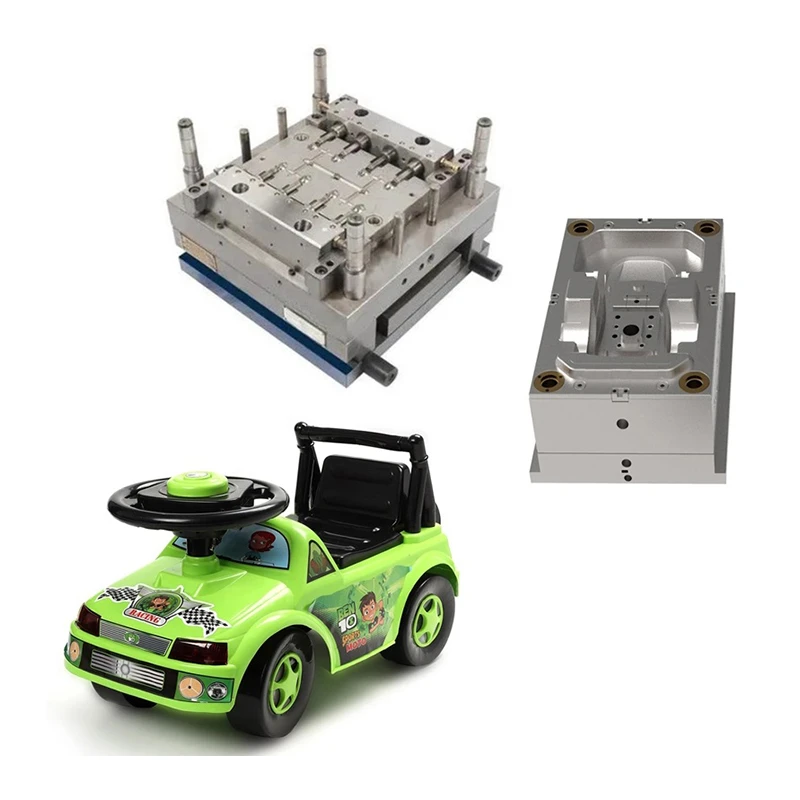
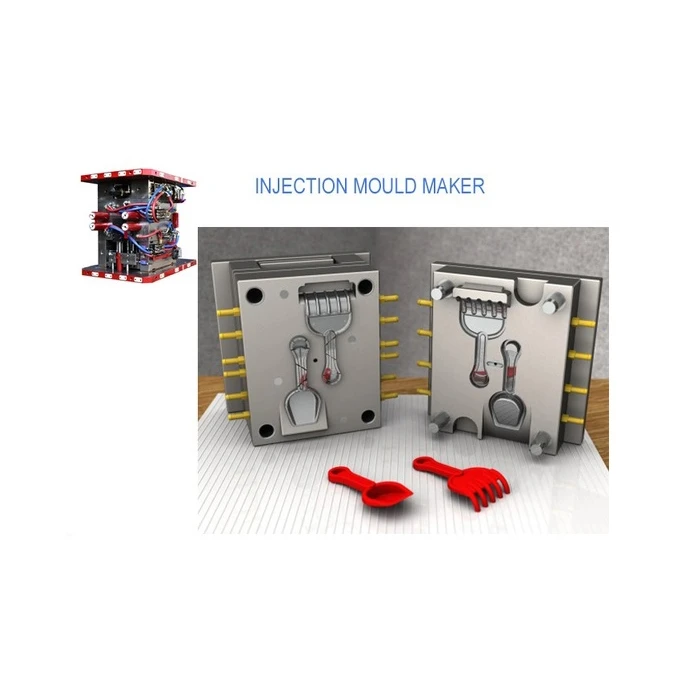
In addition to the regulatory standards, we also have our own in - house quality control measures. Before we ship out a mold, we conduct a series of tests. We check the dimensions of the mold to make sure they are accurate. We also do a trial run of the injection molding process to see if the final product meets our quality expectations.
The safety standards for Toy Car Mold and Children Electrical Car Mould are even more stringent. Electrical components in children's electrical cars need to be safe. There should be no risk of electric shock or short - circuit. The mold should be designed to house these electrical components securely and protect them from damage.
We're also aware of the environmental impact of our molds. The safety standards are not just about the safety of the babies but also about the safety of the environment. We try to use recyclable materials in our molds as much as possible. This way, we're not only meeting the safety requirements but also doing our part for the planet.
In conclusion, safety standards for baby car molds are of utmost importance. They protect our little ones from harm and ensure that the products we supply are of high quality. As a baby car mold supplier, we're committed to meeting these standards. We know that parents trust us to provide safe and reliable products for their children.
If you're in the market for high - quality, safety - compliant baby car molds, we'd love to hear from you. Whether you're a small - scale manufacturer or a large - scale company, we can work with you to meet your specific needs. Let's have a chat and see how we can collaborate to bring safe and amazing baby cars to the market.
References
- Consumer Product Safety Commission (CPSC) official documents
- European Union CE marking regulations
- Industry research on baby product safety standards