

As a supplier of front bumper moulds, I've witnessed firsthand the rapid evolution of the automotive industry and the pivotal role that front bumper moulds play in vehicle manufacturing. In this blog, I'll explore the future development directions of front bumper moulds, drawing on industry trends, technological advancements, and market demands.
1. Lightweight and High - strength Materials
The automotive industry is increasingly focused on improving fuel efficiency and reducing emissions. One of the key strategies to achieve this is by reducing the weight of vehicles. Front bumper moulds will need to adapt to the use of lightweight materials such as carbon fiber composites, high - strength plastics, and aluminum alloys.
Carbon fiber composites offer an excellent strength - to - weight ratio, which can significantly reduce the weight of the front bumper while maintaining its structural integrity. High - strength plastics, on the other hand, are not only lightweight but also have good impact resistance and can be easily molded into complex shapes. Aluminum alloys are also becoming more popular due to their relatively low density and high corrosion resistance.
As a front bumper mould supplier, we are investing in research and development to optimize our moulds for these new materials. For example, we need to adjust the mould design and manufacturing process to ensure that the moulds can withstand the high temperatures and pressures required for processing carbon fiber composites. We also need to develop new surface treatment technologies to prevent corrosion and wear when using aluminum alloys.
2. Integration of Multiple Functions
In the future, front bumpers will not only serve as a protective component but also integrate multiple functions. For instance, they may incorporate sensors for advanced driver - assistance systems (ADAS), such as radar sensors for adaptive cruise control and cameras for lane - keeping assist. Additionally, front bumpers may be designed to improve aerodynamics, reducing drag and improving fuel efficiency.
To meet these requirements, front bumper moulds will need to be more complex in design. They will have to accommodate the installation of various sensors and components while maintaining the overall aesthetic and structural integrity of the bumper. This means that we, as mould suppliers, need to have a deep understanding of both automotive engineering and sensor technology. We need to collaborate closely with automotive manufacturers and sensor suppliers to develop moulds that can integrate these functions seamlessly. For more information on related moulds, you can visit our Car Lamp Injection Mold page.
3. Customization and Personalization
Consumers today have higher expectations for vehicle customization and personalization. Front bumpers are no longer just a standard part; they can be customized in terms of shape, color, and texture to meet the individual preferences of customers.
To support this trend, front bumper moulds will need to be more flexible in design and manufacturing. We are exploring the use of modular mould designs, which allow for easy modification and customization. For example, a basic mould structure can be used as a foundation, and different inserts can be added to change the shape or appearance of the bumper. This approach not only reduces the cost of mould development but also shortens the lead time for customized products.
Moreover, we are also looking into advanced surface treatment technologies to create unique textures and colors on the front bumpers. This can enhance the visual appeal of the vehicles and meet the diverse aesthetic needs of consumers.
4. Precision and High - quality Manufacturing
With the increasing demand for high - quality vehicles, the precision and quality requirements for front bumper moulds are also rising. A small deviation in the mould manufacturing process can lead to defects in the final bumper product, such as uneven surfaces, warping, or poor fitment.
To ensure high - precision manufacturing, we are adopting advanced manufacturing technologies such as computer - numerical - control (CNC) machining, electrical discharge machining (EDM), and 3D printing. CNC machining allows for highly accurate cutting and shaping of the mould components, while EDM can be used to create complex geometries with high precision. 3D printing, on the other hand, offers the possibility of rapid prototyping and manufacturing of small - batch moulds.
In addition to advanced manufacturing technologies, we are also implementing strict quality control systems throughout the entire production process. From raw material inspection to final product testing, every step is carefully monitored to ensure that the front bumper moulds meet the highest quality standards. You can learn more about our Bumper Injection Mould products, which are manufactured with high precision and quality.
5. Sustainability
Sustainability is becoming a major concern in the automotive industry. As a front bumper mould supplier, we are committed to reducing the environmental impact of our products and manufacturing processes.
One of the ways we are doing this is by using recycled materials in the mould manufacturing process. For example, we can use recycled steel or aluminum to reduce the consumption of virgin materials. We are also exploring the development of biodegradable plastics for use in front bumpers, which can reduce the environmental pollution caused by plastic waste.
In addition, we are optimizing our manufacturing processes to reduce energy consumption and waste generation. For instance, we are implementing energy - efficient lighting systems in our factories and improving the recycling and reuse of coolant and lubricants.
6. Collaboration with the Automotive Ecosystem
The future development of front bumper moulds will require closer collaboration with the entire automotive ecosystem. This includes automotive manufacturers, material suppliers, sensor suppliers, and research institutions.
We need to work closely with automotive manufacturers to understand their future product plans and design requirements. By participating in the early stages of product development, we can provide valuable input on mould design and manufacturing, ensuring that the final products meet the highest standards.
Collaboration with material suppliers is also crucial. We need to stay updated on the latest material developments and work together to optimize the processing of new materials in our moulds. Sensor suppliers can provide us with the necessary information on sensor installation and integration, enabling us to design moulds that can accommodate these advanced components.
Research institutions can play an important role in driving innovation. We can collaborate with them on research projects to develop new manufacturing technologies, materials, and design concepts for front bumper moulds.
Conclusion
The future development of front bumper moulds is full of opportunities and challenges. As a front bumper mould supplier, we are excited to be at the forefront of this evolution. By embracing new materials, integrating multiple functions, supporting customization, ensuring precision manufacturing, promoting sustainability, and collaborating with the automotive ecosystem, we are confident that we can meet the changing needs of the automotive industry.
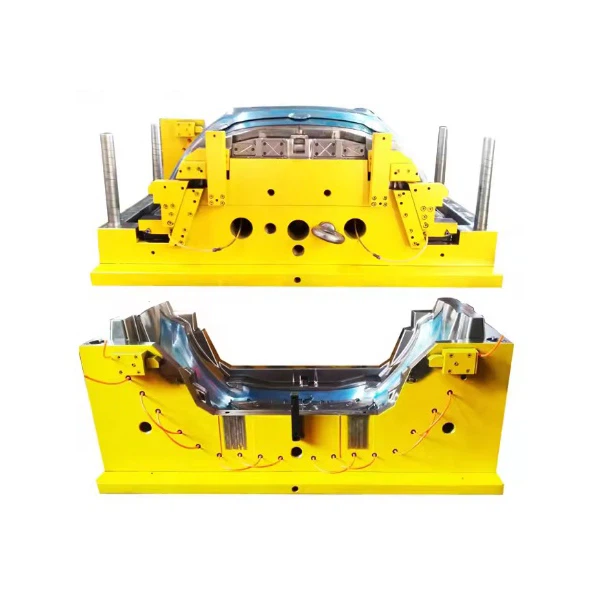
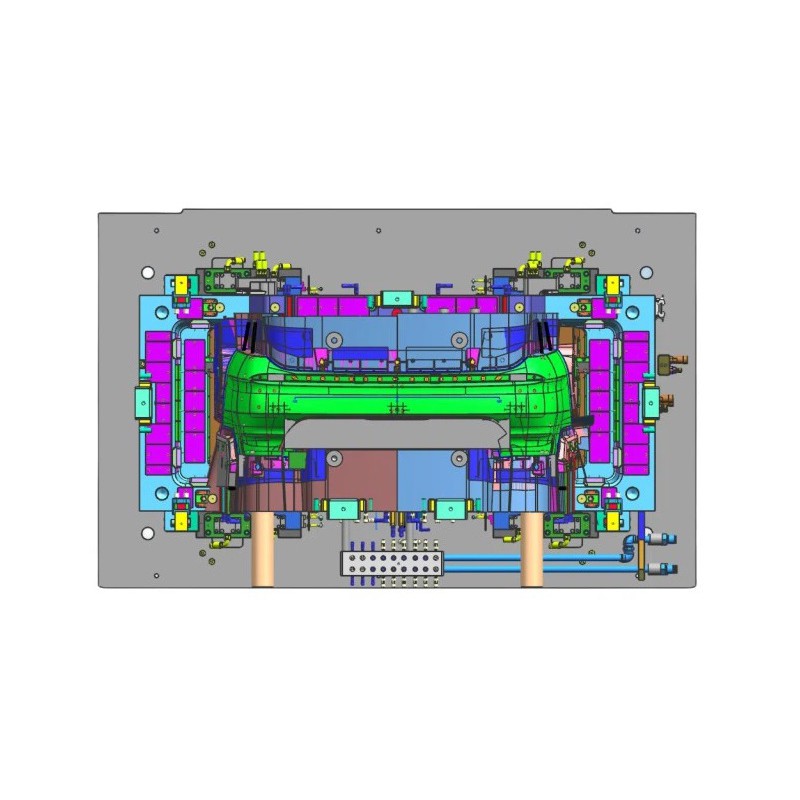
If you are interested in our front bumper moulds or have any specific requirements, we invite you to contact us for procurement and negotiation. We look forward to working with you to create high - quality front bumper moulds that meet your expectations.
References
- Smith, J. (2020). Trends in Automotive Material Selection. Journal of Automotive Engineering, 35(2), 123 - 135.
- Johnson, A. (2021). The Future of Advanced Driver - Assistance Systems. Automotive Technology Review, 42(3), 45 - 56.
- Brown, C. (2019). Sustainable Manufacturing in the Automotive Industry. International Journal of Sustainable Manufacturing, 22(4), 234 - 247.