

As a product supplier, one of the key aspects that often comes under scrutiny when discussing our products is the resolution of the touch screen. In this blog post, we will delve into what the resolution of a product's touch screen means, why it matters, and how it impacts the overall user experience.
Understanding Touch Screen Resolution
The resolution of a touch screen refers to the number of distinct pixels that can be displayed in each dimension of the screen. It is typically expressed as two numbers separated by an "x," such as 1920x1080. The first number represents the number of pixels horizontally, and the second number represents the number of pixels vertically.
For example, a touch screen with a resolution of 1920x1080 has 1,920 pixels from left to right and 1,080 pixels from top to bottom. The total number of pixels on the screen is the product of these two numbers, which in this case is 2,073,600 pixels.
Higher resolution means more pixels are packed into the same physical space on the screen. This results in a sharper, clearer, and more detailed image. Text appears crisper, images are more vivid, and the overall visual experience is enhanced.
Why Touch Screen Resolution Matters
1. User Experience
A high - resolution touch screen provides a more immersive and enjoyable user experience. When using applications such as photo editing, video streaming, or gaming, a higher resolution allows users to see more details. For instance, in a photo editing app, a high - resolution screen enables users to zoom in on an image and make precise adjustments without the image looking pixelated.
2. Readability
Good readability is crucial, especially for devices that are used for reading e - books, documents, or web pages. A touch screen with a higher resolution ensures that text is sharp and easy to read, reducing eye strain and making it more comfortable for users to engage with the content.
3. Professional Use
In professional settings, such as graphic design, video production, and financial trading, high - resolution touch screens are essential. Graphic designers need to see every detail of their designs, video producers rely on accurate color representation and high - definition visuals, and financial traders need to read complex charts and data clearly.
Factors Affecting Touch Screen Resolution
1. Screen Size
The relationship between screen size and resolution is important. A large screen with a low resolution will result in a pixelated and blurry image. Conversely, a small screen with a very high resolution may not be fully utilized, as the human eye may not be able to distinguish the individual pixels. Manufacturers need to strike a balance between screen size and resolution to provide the best visual experience.
2. Pixel Density
Pixel density, measured in pixels per inch (PPI), is another important factor. It is calculated by dividing the number of pixels in a row or column by the physical size of the screen in inches. A higher PPI means a higher pixel density, which generally leads to a better visual experience. For example, a device with a 5 - inch screen and a resolution of 1080x1920 will have a higher PPI than a 10 - inch screen with the same resolution.
3. Display Technology
Different display technologies can also affect the perceived resolution. For example, OLED (Organic Light - Emitting Diode) displays often provide better contrast and color accuracy compared to LCD (Liquid Crystal Display) displays. This can enhance the overall visual quality, even at the same resolution.
Our Product's Touch Screen Resolution
As a product supplier, we understand the importance of touch screen resolution. Our products are designed with high - resolution touch screens to meet the diverse needs of our customers. Whether it's a consumer device for everyday use or a professional device for specialized tasks, we ensure that our touch screens offer the best possible visual experience.
We also offer a range of products with different screen sizes and resolutions to cater to different requirements. For customers who need a portable device for on - the - go use, we have smaller screens with high - resolution displays. For those who need a larger workspace, such as for multitasking or professional use, we offer larger screens with even higher resolutions.

In addition to the touch screen resolution, we also focus on other aspects of the display, such as color accuracy, contrast ratio, and viewing angles. This comprehensive approach ensures that our products provide a top - notch visual experience.
Related Products in Our Portfolio
In addition to our products with high - resolution touch screens, we also offer a variety of other products that are related to our manufacturing capabilities. For example, we provide Thin Wall Injection Molding Plastic Mold. These molds are used in the production of thin - walled plastic products, which are often used in packaging and other industries.
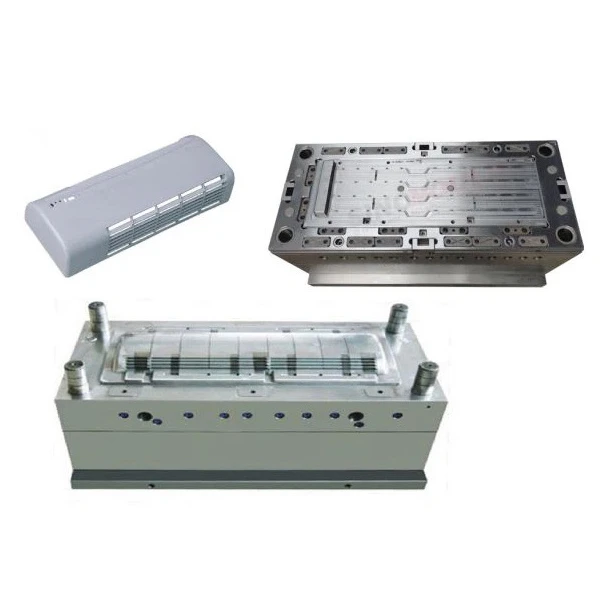
We also have Plastic Air Conditioner Mould for the home appliance industry. These molds are designed to produce high - quality plastic components for air conditioners, ensuring durability and efficient performance.
Another product in our portfolio is the Baby Chair Mould. This mold is used to manufacture baby chairs that are safe, comfortable, and aesthetically pleasing.
Contact Us for Procurement
If you are interested in our products, whether it's a device with a high - resolution touch screen or one of our other related products, we encourage you to contact us for procurement. Our team of experts is ready to assist you in finding the right product for your needs. We can provide detailed product information, technical specifications, and pricing.
We believe in building long - term relationships with our customers and providing excellent customer service. So, if you have any questions or need further information, don't hesitate to reach out to us. We look forward to the opportunity to work with you and meet your product requirements.
References
- "Fundamentals of Display Technology" by Michael H. F. Wilkinson
- "Handbook of Visual Display Technology" edited by Elias T. Geissberger