

As a professional washing machine mould supplier, I often encounter customers who are curious about the possibility of making a washing machine mould on their own. This blog post aims to provide a comprehensive analysis of this question, covering various aspects such as the complexity of the process, required skills and equipment, and the associated costs.
The Complexity of Washing Machine Mould Manufacturing
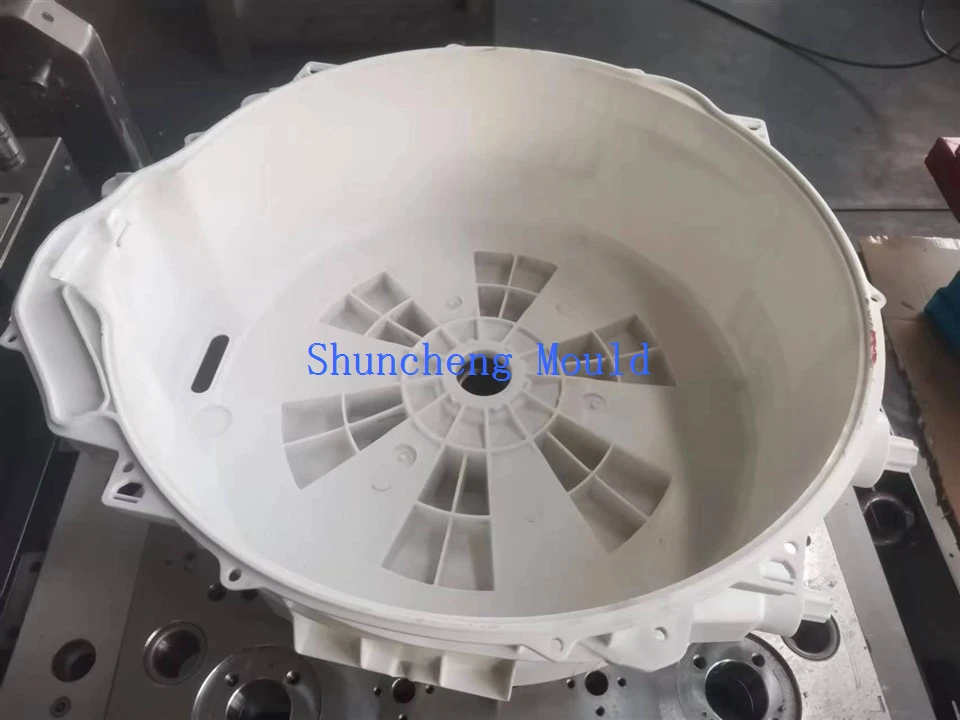
Washing machine moulds are intricate pieces of equipment designed to produce high - quality components for washing machines. These components include the control panel seat, rear drum, and various plastic parts. Each part has its own unique design requirements, which demand precision and expertise in mould making.
Design Complexity
The design of a washing machine mould involves multiple steps. First, designers need to understand the specific requirements of the washing machine components, such as the shape, size, and functionality. For example, the Washing Machine Control Panel Seat Mould needs to precisely fit the control panel, with accurate cut - outs for buttons and displays. The Washing Machine Rear Drum Mould must be designed to ensure the proper shape and strength of the drum, which can withstand the mechanical stress during the washing process.
Manufacturing Complexity
Once the design is finalized, the manufacturing process begins. This involves a series of machining operations, such as milling, turning, and grinding. High - precision machines are required to achieve the tight tolerances needed for the mould. Additionally, heat treatment processes are often necessary to enhance the hardness and durability of the mould. For instance, the mould material needs to be heat - treated to prevent wear and tear during the injection molding process.
Required Skills and Knowledge
Engineering Skills
Making a washing machine mould requires in - depth engineering knowledge. One needs to be proficient in mechanical engineering, including knowledge of materials science, machining processes, and fluid dynamics. For example, understanding the flow of plastic during the injection molding process is crucial for designing a mould that can produce defect - free components.
CAD/CAM Skills
Computer - Aided Design (CAD) and Computer - Aided Manufacturing (CAM) skills are also essential. CAD software is used to create detailed 3D models of the mould, while CAM software is used to generate the machining instructions for the CNC machines. Without these skills, it is nearly impossible to accurately design and manufacture a washing machine mould.

Experience in Mould Making
Practical experience in mould making is invaluable. Experienced mould makers know how to troubleshoot common problems, such as warping, flashing, and air bubbles in the molded parts. They also have a better understanding of the best practices for mould maintenance and repair.
Equipment Requirements
Machining Equipment
To make a washing machine mould, one needs access to a variety of machining equipment. This includes CNC milling machines, lathes, and grinders. These machines are used to shape the mould material with high precision. For example, a CNC milling machine can be programmed to cut complex shapes into the mould block, while a grinder is used to achieve a smooth surface finish.
Heat Treatment Equipment
As mentioned earlier, heat treatment is an important step in mould making. Heat treatment equipment, such as furnaces, is required to heat the mould material to the appropriate temperature and then cool it at a controlled rate. This process helps to improve the mechanical properties of the mould.
Testing Equipment
After the mould is manufactured, it needs to be tested to ensure its quality. Testing equipment, such as coordinate measuring machines (CMMs), can be used to measure the dimensions of the mould and check for any deviations from the design specifications. Pressure sensors and flow meters can also be used to test the performance of the mould during the injection molding process.
Cost Considerations
Equipment Costs
The cost of purchasing the necessary equipment for making a washing machine mould is significant. High - quality CNC machines can cost hundreds of thousands of dollars, and heat treatment equipment and testing equipment also come with a hefty price tag. In addition, there are ongoing costs for equipment maintenance and calibration.
Material Costs
The material used for the mould is another major expense. High - grade steel is commonly used for washing machine moulds due to its strength and durability. The cost of the steel can vary depending on the quality and quantity required.
Labor Costs
If one does not have the necessary skills and needs to hire a team of experts, labor costs can be substantial. Skilled mould makers and engineers command high salaries, and the time required to complete a washing machine mould can be several weeks or even months.
The Advantages of Working with a Professional Supplier
Expertise and Experience
As a professional washing machine mould supplier, we have years of experience in the industry. Our team of experts has the knowledge and skills to design and manufacture high - quality moulds. We have encountered and solved various problems during the mould - making process, which allows us to ensure the best possible results for our customers.
Cost - Effectiveness
Working with a professional supplier can actually be more cost - effective in the long run. We have established relationships with suppliers, which allows us to source materials at a lower cost. Our efficient production processes also help to reduce labor costs and production time.
Quality Assurance
We have strict quality control measures in place to ensure that every mould we produce meets the highest standards. Our testing facilities and experienced quality control team can detect and correct any issues before the mould is delivered to the customer.
Customization
We understand that different customers may have different requirements for their washing machine moulds. As a professional supplier, we can offer customized solutions to meet the specific needs of our customers. Whether it is a unique design or special functionality, we can work with our customers to develop the perfect mould.
Conclusion
In conclusion, while it is technically possible to make a washing machine mould by yourself, it is extremely challenging and costly. The complexity of the process, the required skills and equipment, and the high costs make it a daunting task for an individual or a small business. Working with a professional washing machine mould supplier, like us, is a much more practical and cost - effective solution.
If you are interested in purchasing a washing machine mould or have any questions about our products and services, please feel free to contact us for procurement discussions. We are committed to providing you with the best quality moulds and excellent customer service.
References
- Groover, M. P. (2010). Fundamentals of Modern Manufacturing: Materials, Processes, and Systems. John Wiley & Sons.
- Throne, J. L. (1996). Thermoplastic Injection Molding: Machine and Process Engineering. Marcel Dekker.