

Hey there! I'm a supplier of Grille Cover Moulds, and today I'm stoked to walk you through the production process of a grille cover using a mould. It's a super interesting journey, so let's dive right in!
Step 1: Design and Planning
The very first step in creating a grille cover using a mould is designing. We start by having a chat with our clients to understand what they want. Maybe it's a specific shape, size, or style for their car's grille cover. Once we get all the details, our design team gets to work. They use high - tech software to create a 3D model of the grille cover. This helps us visualize how it'll look and catch any potential issues early on.
We look at things like the flow of the plastic material that will be used to make the grille cover later. If the design has complicated curves or thin sections, we need to make sure the plastic can fill the mould evenly. Also, we think about the functionality of the grille cover. It should fit properly on the car and allow proper air flow for the radiator.
Step 2: Mould Manufacturing
After the design is finalized, it's time to make the mould. We usually use high - quality steel for the mould. The steel is strong and can withstand the high pressures and temperatures during the injection - molding process.
First, we cut the steel into the right shape using advanced machining tools like CNC (Computer Numerical Control) machines. These machines are super precise and can create complex geometries based on the 3D design we made earlier.
Once the basic shape is cut out, we start the process of fine - tuning. This involves polishing the surfaces of the mould to make sure the final grille cover comes out smooth. We also drill holes for things like ejector pins and cooling channels. The ejector pins are used to push the finished grille cover out of the mould after it's formed, and the cooling channels help cool the plastic quickly, reducing production time.

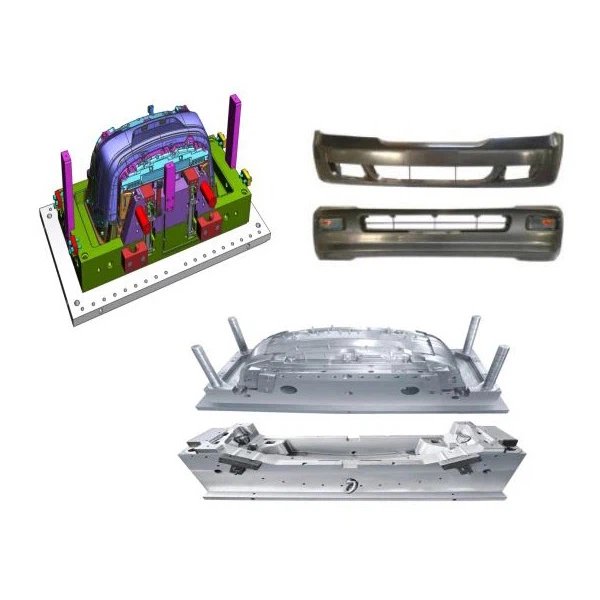
Our team of experienced technicians carefully checks the mould at every stage of manufacturing. We make sure that all the dimensions are accurate and that the mould meets the highest quality standards. If you're interested in the moulds for radiator grilles, check out our Radiator Grille Mould page.
Step 3: Material Selection
Choosing the right material for the grille cover is crucial. There are several types of plastics that we commonly use. One of the popular ones is ABS (Acrylonitrile Butadiene Styrene). It's a tough plastic that has good impact resistance and can be easily molded. Another option is polycarbonate, which is known for its high strength and clarity.
We consider factors like the car's intended use, the environment it'll be in, and the client's budget when selecting the material. For example, if the car will be used in a harsh climate, we might choose a more durable and weather - resistant plastic.
Step 4: Injection Molding
Now, it's time for the actual production of the grille cover. The injection - molding process is like a magician's trick. We first heat the plastic pellets until they turn into a molten liquid. Then, we use a machine to inject this molten plastic into the mould at high pressure.
The pressure ensures that the plastic fills every nook and cranny of the mould, taking on its exact shape. The mould is kept cool through the cooling channels we drilled earlier. This helps the plastic solidify quickly.
Once the plastic has cooled and hardened, the ejector pins push the grille cover out of the mould. This whole process can take anywhere from a few seconds to a couple of minutes, depending on the size and complexity of the grille cover.
If you want to know more about the tooling for automotive radiator grilles, take a look at our Automotive Radiator Grille Tooling Mold page.
Step 5: Post - Processing
After the grille cover is ejected from the mould, it's not quite ready yet. There are some post - processing steps to be done. First, we remove any excess plastic, called flash, that might have formed around the edges of the grille cover during the injection - molding process. This is usually done by hand or with small cutting tools.
Next, we might perform some surface treatments. For example, we could paint the grille cover to match the car's color or apply a protective coating to make it more resistant to scratches and UV rays.
We also conduct a final quality check. We look for any defects like cracks, warping, or uneven surfaces. Only after passing this strict quality check is the grille cover considered ready for shipment.
Step 6: Quality Assurance
Quality is our top priority. Throughout the entire production process, we have multiple quality - control points. We use advanced measuring equipment to check the dimensions of the grille cover and make sure they match the design specifications.
We also perform tests on the material properties. For example, we test the impact resistance and the heat resistance of the plastic. This ensures that the grille cover will perform well in real - world conditions.
If you're interested in the injection moulds for automotive grilles, head over to our Automotive Grille Injection Mould page.
Why Choose Our Grille Cover Moulds?
We've been in the business for a long time, and we've gained a lot of experience. Our team of experts is always on top of the latest technologies and trends in the industry. We can provide high - quality moulds that are designed to last.
Our moulds are also incredibly efficient. They can produce grille covers in a relatively short time, which means you can save on production costs. And because of our strict quality - control measures, you can be sure that the grille covers made with our moulds will be of the highest quality.
Let's Connect!
If you're in the market for grille cover moulds, I'd love to have a chat. Whether you're just starting out or looking to upgrade your current production process, we can find the right solution for you. Drop us a line, and let's discuss how we can work together to meet your needs.
References
- General knowledge on automotive part manufacturing and injection - molding processes.
- Industry reports on the latest trends in grille cover production.