

When it comes to the manufacturing of plastic spools, the plastic spool mould plays a pivotal role. As a supplier of Plastic Spool Moulds, I am often asked about the lifespan of these essential tools. In this blog post, I will delve into the factors that influence the lifespan of a plastic spool mould and provide insights into how to maximize its longevity.
Understanding the Basics of Plastic Spool Moulds
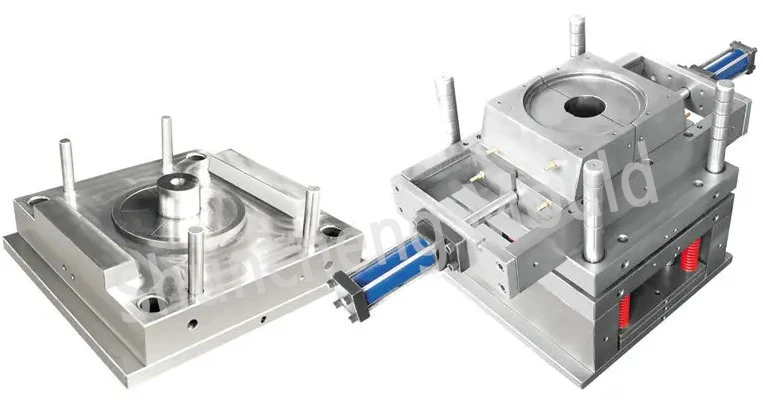
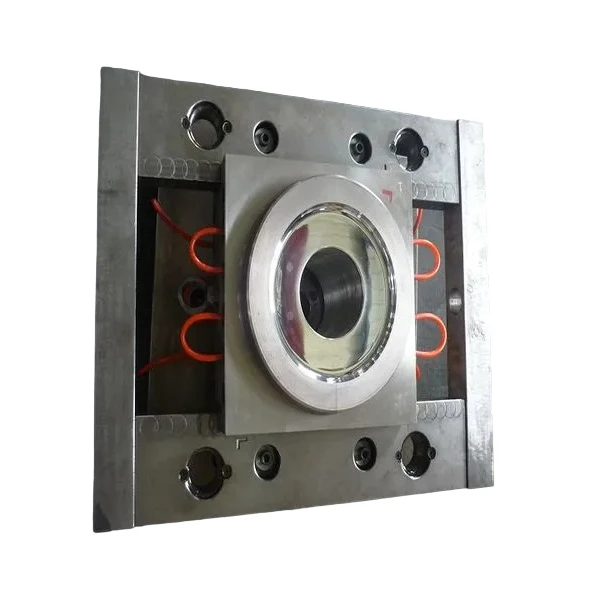
Plastic spool moulds are used to produce various types of plastic spools, including Plastic Bobbin Coil Mold, Cable Spool Plastic Injection Mold, and Injection Plastic Spool Bobbin Mould. These moulds are typically made from high - quality steel or other durable materials and are designed to withstand the high pressures and temperatures involved in the plastic injection molding process.
The lifespan of a plastic spool mould can vary significantly depending on several factors. On average, a well - maintained plastic spool mould can last anywhere from 500,000 to 1,000,000 injection cycles. However, this is just a rough estimate, and the actual lifespan can be shorter or longer depending on the following aspects.
Factors Affecting the Lifespan of a Plastic Spool Mould
1. Material Quality
The quality of the material used to make the mould is one of the most critical factors. High - grade steel with good hardness, toughness, and wear resistance will generally result in a longer - lasting mould. For example, tool steels such as P20, H13, and S7 are commonly used in mould making. P20 is a pre - hardened steel that is suitable for general - purpose moulds, while H13 is a hot - work tool steel known for its excellent heat resistance and toughness, making it ideal for high - volume production.
2. Design and Manufacturing Precision
A well - designed mould with precise dimensions and smooth surfaces will have a longer lifespan. A proper design ensures that the plastic flows evenly during the injection process, reducing stress on the mould. Additionally, accurate manufacturing techniques, such as CNC machining and EDM (Electrical Discharge Machining), can create a mould with tight tolerances, minimizing the risk of premature wear and tear.
3. Plastic Material Used
Different plastic materials have different properties, and some can be more abrasive or corrosive than others. For instance, glass - filled plastics are more abrasive and can cause faster wear on the mould surface compared to unfilled plastics. Similarly, plastics that contain additives or chemicals can be corrosive, which may lead to surface damage and reduced mould lifespan.
4. Operating Conditions
The operating conditions during the injection molding process also play a significant role. High injection pressures, high temperatures, and long cycle times can all put additional stress on the mould. If the mould is not properly cooled during the process, it can lead to thermal fatigue, which can cause cracks and other forms of damage. Moreover, improper handling and installation of the mould can also result in premature failure.
5. Maintenance and Cleaning
Regular maintenance and cleaning are essential for extending the lifespan of a plastic spool mould. After each production run, the mould should be cleaned to remove any residual plastic, lubricants, or other contaminants. Lubrication of moving parts should be carried out as recommended to reduce friction and wear. Periodic inspections should be conducted to detect any signs of wear, damage, or corrosion early on so that corrective actions can be taken.
Strategies to Maximize the Lifespan of a Plastic Spool Mould
1. Select the Right Mould Material
Based on the type of plastic to be used and the expected production volume, choose the most appropriate mould material. Consult with a materials expert or a mould manufacturer to make an informed decision.
2. Optimize the Design
Work with an experienced mould designer to create a mould that is optimized for the specific application. Consider factors such as plastic flow, cooling channels, and ejection mechanisms to ensure smooth operation and reduced stress on the mould.
3. Control the Operating Conditions
Monitor and control the injection pressures, temperatures, and cycle times carefully. Install proper cooling systems to maintain the mould at an optimal temperature. Train operators to handle and install the mould correctly to avoid unnecessary damage.
4. Implement a Maintenance Program
Develop a comprehensive maintenance program that includes regular cleaning, lubrication, and inspection. Keep detailed records of maintenance activities, including the date of each maintenance task, the parts replaced, and any issues detected. This will help in predicting when major maintenance or replacement is required.
Case Studies
Let's look at a couple of case studies to illustrate the impact of these factors on the lifespan of plastic spool moulds.
Case Study 1: A Company Using Low - Quality Mould Material
A small manufacturing company decided to cut costs by using a low - quality steel for their plastic spool mould. The mould was used to produce cable spools with a glass - filled plastic. Due to the poor material quality and the abrasive nature of the plastic, the mould started to show signs of wear after just 100,000 injection cycles. The surface of the mould became rough, resulting in defective parts. The company had to replace the mould much earlier than expected, which ended up costing them more in the long run.
Case Study 2: A Company with Excellent Maintenance Practices
Another company that specializes in producing plastic bobbin coil moulds followed a strict maintenance program. They used high - quality H13 steel for their moulds and had a team of trained technicians who performed regular cleaning, lubrication, and inspections. As a result, their moulds lasted for over 1,200,000 injection cycles, well beyond the average lifespan. This not only saved them money on mould replacement but also ensured consistent product quality.
Conclusion
In conclusion, the lifespan of a plastic spool mould is influenced by multiple factors, including material quality, design, plastic material, operating conditions, and maintenance. By understanding these factors and taking appropriate measures, manufacturers can extend the lifespan of their moulds, reduce production costs, and improve product quality.
If you are in the market for high - quality plastic spool moulds or need advice on mould selection, maintenance, or any other related issues, we are here to help. Our team of experts has extensive experience in the field of plastic mould manufacturing and can provide you with customized solutions to meet your specific requirements. Contact us today to start a fruitful discussion about your plastic spool mould needs.
References
- "Plastic Injection Molding Handbook" by OSSWAALD, Tim A.; TURNG, Lih - Sing; GRAEBE, Peter.
- "Mould Making Technology" by R. J. Kibblewhite.
- Industry reports on plastic injection molding and mould manufacturing.