

Hey there! As a bumper mould supplier, I know how crucial it is to ensure the interchangeability of parts in a bumper mould. In this blog, I'll share some tips and tricks on how to achieve this goal, so you can produce high-quality bumper parts that fit perfectly every time.
First things first, let's talk about what interchangeability means. Interchangeability refers to the ability of parts to be substituted for one another without any modification or adjustment. In the context of bumper moulds, this means that each part produced by the mould should be identical in size, shape, and function, so that they can be used interchangeably in the assembly process.
Now, let's dive into some practical steps you can take to ensure the interchangeability of parts in a bumper mould.
1. Design Optimization
The design of the bumper mould plays a critical role in ensuring the interchangeability of parts. When designing the mould, it's important to pay close attention to the dimensions, tolerances, and surface finishes of the parts. Here are some key considerations:
- Accurate Dimensions: Make sure that the dimensions of the mould are precise and consistent. Any variations in the dimensions can lead to differences in the size and shape of the parts, which can affect their interchangeability. Use advanced CAD/CAM software to design the mould and ensure that all dimensions are within the specified tolerances.
- Tolerance Control: Tolerances are the allowable variations in the dimensions of the parts. It's important to establish appropriate tolerances for each part and ensure that they are maintained throughout the manufacturing process. This can be achieved by using high-precision machining equipment and quality control measures.
- Surface Finish: The surface finish of the parts can also affect their interchangeability. A smooth and consistent surface finish can help to ensure that the parts fit together properly and reduce the risk of friction and wear. Use appropriate surface finishing techniques, such as polishing or plating, to achieve the desired surface finish.
2. Material Selection
The choice of material for the bumper mould can also have a significant impact on the interchangeability of parts. Different materials have different properties, such as shrinkage rate, hardness, and thermal expansion coefficient, which can affect the size and shape of the parts. Here are some factors to consider when selecting the material for the mould:
- Shrinkage Rate: The shrinkage rate of the material refers to the amount by which the material shrinks as it cools and solidifies. It's important to choose a material with a low and consistent shrinkage rate to ensure that the parts maintain their dimensions and shape.
- Hardness: The hardness of the material can affect the durability and wear resistance of the mould. A harder material can withstand higher pressures and temperatures, which can help to ensure that the parts are produced with consistent quality.
- Thermal Expansion Coefficient: The thermal expansion coefficient of the material refers to the amount by which the material expands or contracts as the temperature changes. It's important to choose a material with a low and consistent thermal expansion coefficient to minimize the risk of dimensional changes due to temperature variations.
3. Manufacturing Process Control
The manufacturing process of the bumper mould is another important factor that can affect the interchangeability of parts. It's important to control the manufacturing process carefully to ensure that the parts are produced with consistent quality. Here are some key steps to take:
- Precision Machining: Use high-precision machining equipment, such as CNC milling machines and EDM machines, to manufacture the mould. These machines can ensure that the dimensions and surface finishes of the parts are accurate and consistent.
- Quality Control: Implement a comprehensive quality control system to monitor the manufacturing process and ensure that the parts meet the specified requirements. This can include inspections, measurements, and testing at various stages of the process.
- Process Optimization: Continuously optimize the manufacturing process to improve efficiency and reduce the risk of errors. This can involve using advanced manufacturing techniques, such as rapid prototyping and 3D printing, to reduce the lead time and cost of the mould.
4. Assembly and Testing
Once the bumper mould is manufactured, it's important to assemble and test the parts to ensure their interchangeability. Here are some key steps to take:
- Assembly: Assemble the parts using the same process and tools that will be used in the production environment. This can help to identify any issues with the fit and alignment of the parts and ensure that they can be assembled correctly.
- Testing: Conduct a series of tests on the assembled parts to ensure that they meet the specified requirements. This can include functional tests, such as impact testing and fatigue testing, as well as dimensional and visual inspections.
- Adjustment and Calibration: If any issues are identified during the assembly and testing process, make the necessary adjustments and calibrations to the mould or the parts to ensure their interchangeability. This may involve re-machining the mould or adjusting the tolerances of the parts.
5. Continuous Improvement
Finally, it's important to continuously improve the manufacturing process and quality control measures to ensure the interchangeability of parts in the bumper mould. Here are some ways to achieve this:
- Feedback Collection: Collect feedback from customers, production operators, and quality control personnel to identify any issues or areas for improvement. Use this feedback to make changes to the manufacturing process and quality control measures.
- Process Monitoring: Monitor the manufacturing process regularly to identify any trends or patterns that may indicate potential issues. Use statistical process control techniques to analyze the data and make informed decisions about process improvements.
- Training and Development: Provide training and development opportunities for your employees to improve their skills and knowledge in the areas of mould design, manufacturing, and quality control. This can help to ensure that they are able to produce high-quality bumper parts that meet the specified requirements.
In conclusion, ensuring the interchangeability of parts in a bumper mould requires a combination of design optimization, material selection, manufacturing process control, assembly and testing, and continuous improvement. By following these tips and tricks, you can produce high-quality bumper parts that fit perfectly every time and meet the needs of your customers.

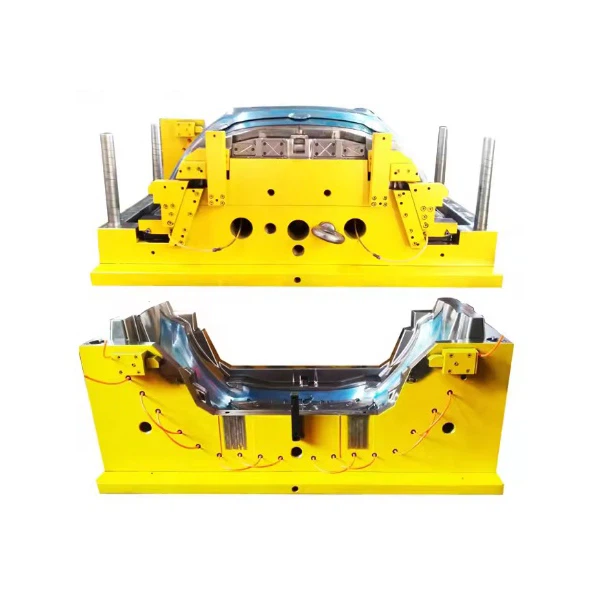
If you're looking for a reliable bumper mould supplier, look no further! We offer a wide range of Compression Molds For Automotive, Rear Bumper Mould, and Bumper Injection Mould that are designed to meet the highest standards of quality and performance. Contact us today to learn more about our products and services and to discuss your specific requirements.
References
- Smith, J. (2019). Design and Manufacturing of Plastic Injection Molds. New York: McGraw-Hill.
- Jones, R. (2020). Quality Control in the Manufacturing Industry. London: Routledge.
- Brown, S. (2021). Advanced Materials for Mould Making. Tokyo: Elsevier.