

Hey there! As a cutlery mould supplier, I've seen firsthand how crucial it is to improve the release performance of these moulds. A smooth release not only boosts production efficiency but also ensures the quality of the cutlery products. So, let's dive into some practical ways to make that happen.
1. Material Selection
The choice of materials for both the mould and the cutlery plays a huge role in release performance. For the mould, using high - quality steel with good surface finish can make a big difference. Stainless steel is a popular choice because it's resistant to corrosion and has a relatively smooth surface. When the mould surface is smooth, the cutlery is less likely to stick.
On the cutlery side, the plastic or other materials used also matter. Some plastics have better flow properties and are less likely to adhere to the mould. For example, polypropylene is often used in cutlery production because it has good release characteristics. We offer a variety of moulds for different types of cutlery materials, like our Foldable Spoon Mold, which is designed to work well with common cutlery plastics.
2. Surface Treatment
Surface treatment of the mould is another key factor. One common method is polishing. A highly polished mould surface reduces friction between the mould and the cutlery, making it easier for the cutlery to be released. There are different levels of polishing, from basic to mirror - finish polishing. The level of polishing you choose depends on the requirements of your cutlery production.
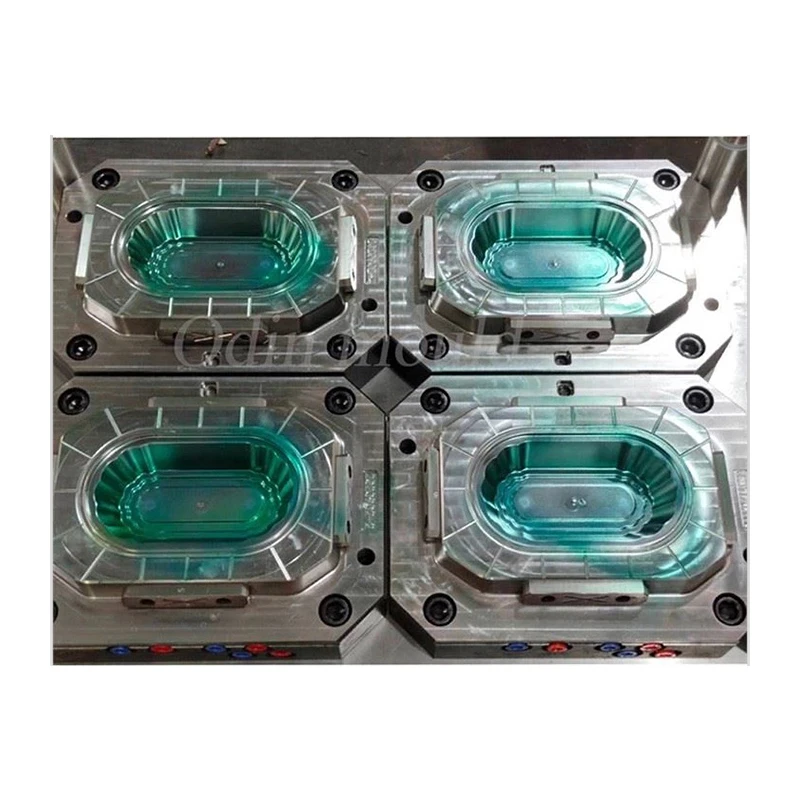
Another surface treatment option is coating. There are various types of coatings available, such as Teflon - based coatings. These coatings provide a non - stick surface, which significantly improves the release performance. However, it's important to choose a coating that is compatible with the mould material and the cutlery production process. Our Plastic Thin Wall Food Container Packaging Box Mould can be customized with different surface treatments to meet your specific needs.

3. Design Optimization
The design of the mould itself can greatly affect the release performance. First, the draft angle is crucial. A proper draft angle allows the cutlery to be easily ejected from the mould. If the draft angle is too small, the cutlery may get stuck, and if it's too large, it can affect the dimensional accuracy of the cutlery. The ideal draft angle depends on the shape and size of the cutlery.
Also, the design of the ejection system is important. A well - designed ejection system ensures that the cutlery is evenly pushed out of the mould. This can include ejector pins, sleeves, or other ejection mechanisms. We've spent a lot of time optimizing the designs of our moulds, like our Disposable Tableware Mould, to ensure smooth ejection and good release performance.
4. Temperature Control
Temperature control during the injection molding process is essential for good release performance. If the mould temperature is too high, the plastic may stick to the mould more easily. On the other hand, if the temperature is too low, the plastic may not flow properly, which can also lead to sticking issues.
It's important to maintain a consistent temperature throughout the mould. This can be achieved through proper cooling channels in the mould design. These channels help to regulate the temperature and ensure that the plastic solidifies at the right rate for easy release. We can provide detailed temperature control guidelines for our moulds to help you achieve the best results.
5. Lubrication
Using lubricants can be an effective way to improve the release performance. There are different types of lubricants available, such as external lubricants that are applied to the mould surface before each injection and internal lubricants that are added to the plastic material.
External lubricants can provide a quick and easy solution for improving release, but they need to be applied carefully to avoid contamination of the cutlery. Internal lubricants, on the other hand, are mixed with the plastic during the compounding process. They work from the inside out to reduce the adhesion between the plastic and the mould. However, the choice of lubricant depends on the type of plastic and the specific requirements of your production.
6. Maintenance
Regular maintenance of the mould is crucial for long - term good release performance. This includes cleaning the mould after each production run to remove any residual plastic or debris. Over time, these residues can build up and affect the surface finish of the mould, leading to sticking issues.
Inspecting the mould for any signs of wear and tear is also important. If there are any damaged parts, such as ejector pins or cooling channels, they should be repaired or replaced promptly. A well - maintained mould will not only have better release performance but also a longer lifespan.
7. Operator Training
Last but not least, the operators involved in the cutlery production process need to be well - trained. They should understand the importance of proper mould handling, temperature control, and ejection procedures. A trained operator can identify and address any potential release issues early on, which can save a lot of time and money in the long run.
We offer training services for our customers to ensure that they can get the most out of our cutlery moulds. Our team of experts can provide on - site training or online tutorials to help your operators become more proficient in using our moulds.
In conclusion, improving the release performance of a cutlery mould involves a combination of factors, from material selection and surface treatment to design optimization and proper maintenance. By paying attention to these aspects, you can significantly enhance the efficiency and quality of your cutlery production.
If you're interested in our cutlery moulds or have any questions about improving release performance, feel free to reach out for a procurement discussion. We're here to help you achieve the best results in your cutlery manufacturing process.
References
- Injection Molding Handbook, by O. Olszewski
- Plastics Materials and Processing, by James F. Carley