

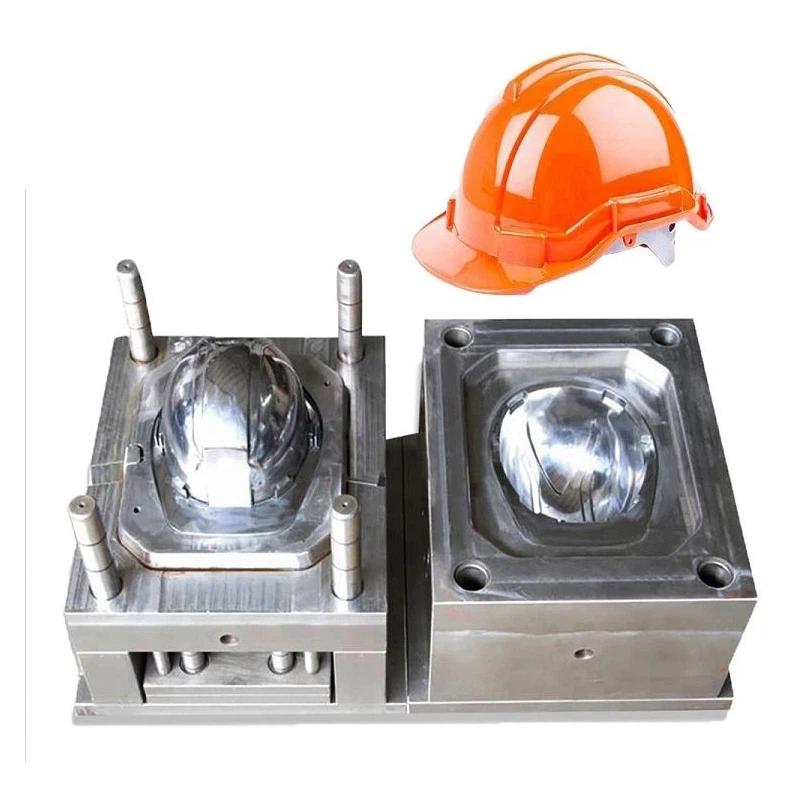
As a trusted Helmet Mould supplier, I often encounter inquiries regarding the lifespan of helmet moulds. This topic is crucial for manufacturers as it directly impacts production costs, efficiency, and the quality of the end - products. In this blog, I will delve into the factors that influence the lifespan of a helmet mould and provide insights on how to maximize it.
Factors Affecting the Lifespan of Helmet Moulds
Material Quality
The material used to make the helmet mould is the cornerstone of its longevity. High - quality tool steels, such as P20, H13, and S7, are commonly used in the manufacturing of helmet moulds. These steels possess excellent hardness, toughness, and wear resistance. For instance, H13 steel is well - known for its high thermal fatigue resistance, which is essential when the mould is subjected to repeated heating and cooling cycles during the injection molding process. A mould made from a superior grade of steel can withstand more production cycles compared to one made from a lower - quality material.
Design and Manufacturing Precision
The design of the helmet mould plays a significant role in its lifespan. A well - designed mould will have proper cooling channels, which ensure uniform temperature distribution during the molding process. Uneven cooling can lead to thermal stress, causing cracks and deformation in the mould over time. Additionally, precise manufacturing techniques are required to ensure that all components of the mould fit together perfectly. Any misalignment or improper machining can result in premature wear and tear. For example, if the ejector pins are not accurately machined, they may not function smoothly, leading to damage to the mould surface.
Operating Conditions
The environment in which the helmet mould operates has a profound impact on its lifespan. Temperature, humidity, and the type of plastic resin used for molding are all important factors. High - temperature operations can cause the mould material to expand and contract, leading to thermal fatigue. Similarly, high humidity can promote corrosion, especially if the mould is not properly maintained. The chemical composition of the plastic resin can also affect the mould. Some resins may contain abrasive fillers or chemicals that can erode the mould surface over time.
Maintenance and Care
Regular maintenance is essential for extending the lifespan of a helmet mould. This includes cleaning the mould after each production run to remove any residual plastic, lubricating moving parts, and inspecting for signs of wear or damage. Proper storage is also crucial. When the mould is not in use, it should be stored in a dry, clean environment to prevent corrosion. Additionally, periodic re - polishing of the mould surface can help to maintain its smoothness and prevent the build - up of scratches, which can lead to defects in the molded helmets.

Estimating the Lifespan of Helmet Moulds
The lifespan of a helmet mould is typically measured in the number of production cycles it can withstand before it needs to be repaired or replaced. On average, a high - quality helmet mould can last between 100,000 and 500,000 production cycles. However, this is a very rough estimate, and the actual lifespan can vary widely depending on the factors mentioned above.
For example, a mould used in a high - volume production environment with strict quality control and proper maintenance may reach the upper end of this range. On the other hand, a mould that is subjected to harsh operating conditions and minimal maintenance may fail after only a few thousand cycles.
Maximizing the Lifespan of Helmet Moulds
Selecting the Right Material
As a Helmet Mould supplier, I always recommend using high - quality tool steels for our customers. The initial investment in a better - quality material may be higher, but it will pay off in the long run by reducing the frequency of mould replacement and improving the overall quality of the molded helmets.
Optimizing the Design
Our team of experienced engineers works closely with customers to design helmet moulds that are optimized for performance and longevity. We use advanced computer - aided design (CAD) software to ensure precise cooling channel design and proper component alignment. This helps to minimize thermal stress and wear, extending the mould's lifespan.
Controlling Operating Conditions
We also provide our customers with guidelines on how to control the operating conditions of the helmet mould. This includes maintaining the correct temperature and humidity levels in the production facility and selecting the appropriate plastic resin for the application. By following these guidelines, customers can significantly reduce the wear and tear on their moulds.
Implementing a Maintenance Program
A comprehensive maintenance program is essential for maximizing the lifespan of a helmet mould. We offer maintenance training to our customers, teaching them how to clean, lubricate, and inspect the moulds. We also provide spare parts and repair services to ensure that any issues can be addressed promptly.
The Importance of a Long - Lifespan Helmet Mould
A long - lifespan helmet mould is beneficial for both helmet manufacturers and end - users. For manufacturers, it reduces production costs by minimizing the need for frequent mould replacement. It also improves production efficiency as there are fewer interruptions for mould repairs or replacements. For end - users, a helmet produced from a well - maintained mould is more likely to meet high - quality standards, ensuring better safety and performance.
Conclusion
In conclusion, the lifespan of a helmet mould is influenced by multiple factors, including material quality, design, operating conditions, and maintenance. As a Helmet Mould supplier, we are committed to providing our customers with high - quality moulds and the support they need to maximize the lifespan of these moulds. If you are in the market for a Safety Helmet Mould, Helmet Injection Mold, or Plastic Safety Helmet Mould, we invite you to contact us to discuss your specific requirements. Our team of experts is ready to assist you in finding the best solution for your production needs.
References
- "Tool and Die Making Handbook" by Peter D. Krouse
- "Injection Molding Handbook" by O. Osswald and T. Turng
- Industry reports on helmet mould manufacturing and maintenance