

As a rear bumper mould supplier, understanding the injection pressure requirements for a rear bumper mould is crucial. Injection pressure plays a vital role in the injection moulding process, especially when it comes to producing high - quality rear bumpers. In this blog, we'll delve into what injection pressure is, why it matters for rear bumper moulds, and the factors that influence the required injection pressure.
What is Injection Pressure?
Injection pressure refers to the force applied by the injection unit of an injection - moulding machine to push the molten plastic material into the mould cavity. This pressure must be sufficient to fill the entire cavity of the rear bumper mould completely and ensure that the plastic takes on the precise shape of the mould. Without the right injection pressure, the resulting rear bumper may have defects such as short shots (incomplete filling), warping, or poor surface finish.
Why Injection Pressure is Critical for Rear Bumper Moulds
Rear bumpers are large, complex automotive parts. They need to meet high - quality standards in terms of appearance, strength, and durability. The injection pressure directly affects these aspects. A proper injection pressure ensures that the plastic material flows evenly through the mould, filling all the nooks and crannies of the rear bumper design. This is essential for achieving a smooth surface finish, which is important for the aesthetic appeal of the bumper.
Moreover, sufficient injection pressure helps to compact the plastic molecules within the mould. This compaction increases the density of the plastic, enhancing the strength and impact resistance of the rear bumper. A rear bumper with good strength is crucial for protecting the vehicle in case of a collision.
Factors Influencing the Injection Pressure Requirement for Rear Bumper Moulds
1. Mould Design
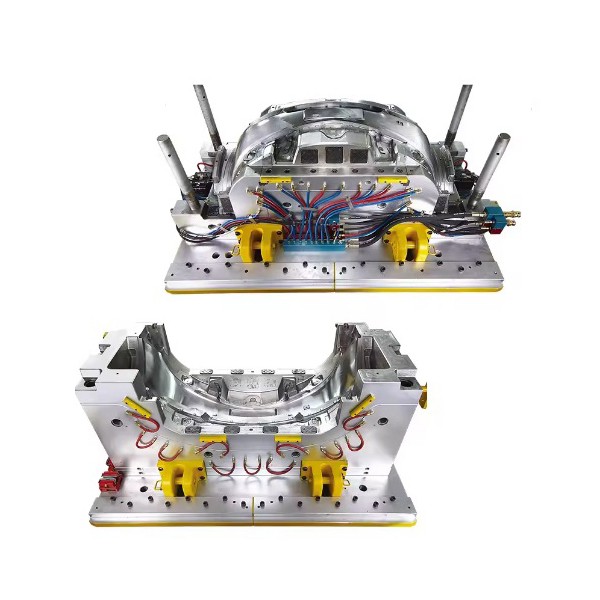
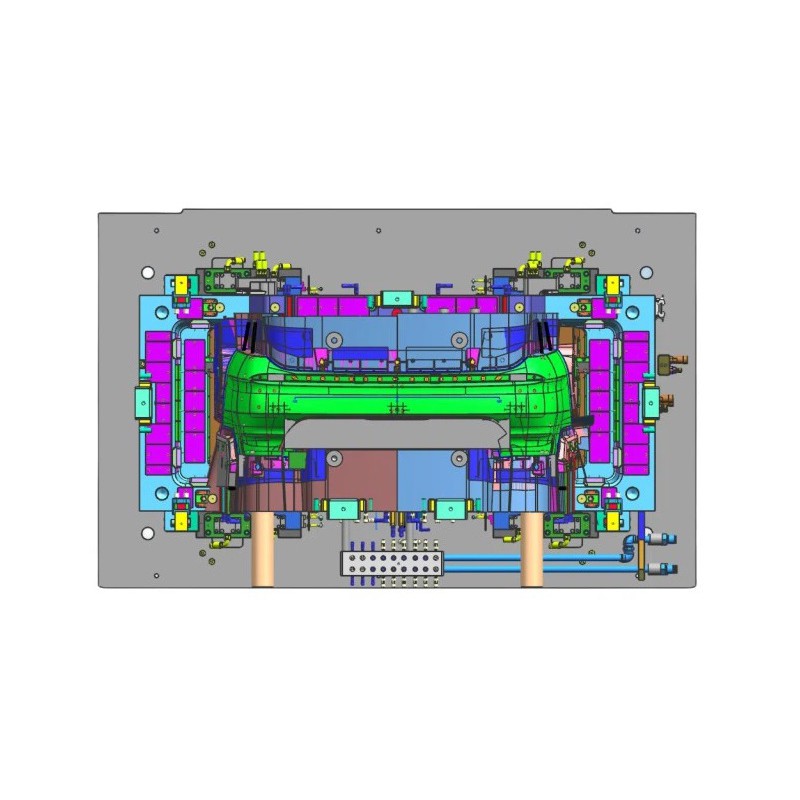
The design of the rear bumper mould has a significant impact on the injection pressure requirement. A mould with a complex shape, such as one with thin walls, undercuts, or long flow paths, will require higher injection pressure. For example, if the rear bumper has a design with a long, narrow section that the plastic has to flow through, the pressure needs to be high enough to push the molten plastic to the end of this section.
The number and location of gates in the mould also matter. Gates are the openings through which the molten plastic enters the mould cavity. If the gates are not properly designed or located, it can cause uneven flow of the plastic, leading to the need for higher injection pressure to ensure complete filling.
2. Plastic Material Properties
Different plastic materials have different flow characteristics. Materials with high viscosity, such as some engineering plastics used in rear bumpers, require higher injection pressure to flow through the mould. For instance, polycarbonate - acrylonitrile butadiene styrene (PC - ABS) blends, which are commonly used in rear bumpers due to their good combination of strength and aesthetic properties, have a relatively high viscosity compared to some other plastics. This means that more pressure is needed to force the molten PC - ABS through the mould cavity.
The melting temperature of the plastic also affects the injection pressure. If the plastic is not heated to the appropriate melting temperature, it will be more viscous and harder to inject, thus requiring higher pressure.
3. Mould Temperature
The temperature of the rear bumper mould influences the flow of the molten plastic. A cooler mould will cause the plastic to solidify more quickly as it enters the mould. This can increase the resistance to flow and result in the need for higher injection pressure. On the other hand, a mould that is too hot can cause the plastic to degrade, which also affects the quality of the final product. Therefore, maintaining an optimal mould temperature is essential for minimizing the injection pressure requirement.
4. Injection Moulding Machine Capacity
The capacity of the injection - moulding machine used for producing the rear bumper is another factor. A machine with a higher clamping force and injection rate can generally generate higher injection pressure. If the machine is not powerful enough, it may not be able to provide the required pressure to fill the rear bumper mould properly.
Determining the Optimal Injection Pressure
To determine the optimal injection pressure for a rear bumper mould, a combination of theoretical calculations and practical testing is usually required. Theoretical calculations can be based on the properties of the plastic material, the design of the mould, and the expected flow behavior of the plastic. However, due to the complexity of the injection - moulding process, practical testing is often necessary to fine - tune the injection pressure.
During the testing phase, different injection pressures are tried, and the resulting rear bumpers are inspected for defects. The goal is to find the lowest injection pressure that can produce a high - quality rear bumper without any visible defects. This not only ensures the quality of the product but also helps to reduce energy consumption and wear and tear on the injection - moulding machine.
How Our Company Can Help
As a rear bumper mould supplier, we have extensive experience in designing and manufacturing rear bumper moulds. We understand the complex relationship between mould design, plastic material properties, and injection pressure requirements. Our team of experts uses advanced software to simulate the injection - moulding process, which helps us to predict the injection pressure needed for a particular rear bumper design.
We also conduct thorough testing during the production process to ensure that the injection pressure is optimized. This way, we can provide our customers with rear bumper moulds that can produce high - quality rear bumpers efficiently. If you are in the market for a Rear Bumper Mould, Front Bumper Mould, or Bumper Injection Mould, we would be happy to discuss your specific requirements and help you find the best solution.
If you are interested in our products and services, we invite you to contact us for a detailed discussion. We can provide you with more information about our rear bumper moulds, including the injection pressure requirements and how we ensure high - quality production. Whether you are an automotive manufacturer or a parts supplier, we are committed to helping you achieve your goals with our high - quality rear bumper moulds.
References
- "Injection Moulding Handbook" by O. Olsson and P. Wickman
- "Plastics Processing Technology" by A. A. Collyer and D. W. Clegg
- Journal articles on automotive injection moulding technology from various academic databases.