

In the automotive manufacturing industry, the grille cover plays a crucial role not only in protecting the radiator but also in enhancing the vehicle's aesthetic appeal. As a professional Grille Cover Mould supplier, I've witnessed firsthand the significance of choosing the right type of mold for grille cover production. In this blog, I'll delve into the differences between single - piece and multi - piece grille cover molds, which will help manufacturers make informed decisions when selecting molds for their production lines.
Design Complexity
First and foremost, let's explore the design aspect of single - piece and multi - piece grille cover molds. Single - piece grille cover molds are designed to create a grille cover in one solid piece. This type of mold is relatively more straightforward in design. The simplicity often translates to shorter design and development cycles. A single - piece design can be ideal for grille covers with a relatively uncomplicated pattern or when the aesthetic concept calls for a seamless look. For instance, some modern minimalist car designs prefer a single - piece grille cover to maintain a sleek and clean appearance.
On the other hand, multi - piece grille cover molds are crafted to produce grille covers composed of multiple parts. This design approach allows for much greater complexity in the grille cover's structure. Manufacturers can create intricate patterns, add various decorative elements, and incorporate different materials in different parts of the grille cover. For example, a luxury car might have a multi - piece grille cover with a central emblem area made of a high - end material and the surrounding grille bars in a different finish, all assembled from parts produced by a multi - piece mold.
Manufacturing Process
The manufacturing process of single - piece and multi - piece grille cover molds also shows notable differences. For single - piece molds, the injection molding process is more streamlined. The molten plastic is injected into the single cavity of the mold, and after cooling and solidification, a complete grille cover is produced. This simplicity in the process often leads to higher production efficiency, with fewer steps involved in the manufacturing of each unit. It can also result in lower production costs, especially for high - volume production runs, because there is no need for additional assembly steps.
Conversely, multi - piece molds require a more elaborate manufacturing process. After each individual part is injection - molded, these parts need to be assembled to form the complete grille cover. This assembly process can involve various techniques such as bonding, welding, or mechanical fastening. The additional assembly steps not only increase the production time but also require more labor and potentially extra equipment. However, the ability to create more complex and feature - rich grille covers can justify the additional complexity and cost, especially for niche or high - value products.
Cost Considerations
Cost is a significant factor for any automotive manufacturer. Single - piece grille cover molds generally have a lower upfront cost. The simpler design and manufacturing process mean that less time and resources are required to create the mold. Additionally, as mentioned earlier, the production process for single - piece grille covers is more efficient, which can lead to lower per - unit production costs, especially in large - scale production. This makes single - piece molds an attractive option for mass - market vehicles where cost - effectiveness is a top priority.
In contrast, multi - piece grille cover molds are more expensive to produce. The design and manufacturing of a multi - piece mold are more complex, requiring more detailed engineering and precise machining. The additional assembly steps in the production process also contribute to higher costs. However, these molds can add significant value to the final product. A well - designed multi - piece grille cover can elevate the perceived quality of a vehicle, enabling manufacturers to command a higher price point for their products.
Material Compatibility
Material compatibility is another area where single - piece and multi - piece grille cover molds differ. Single - piece molds are typically used with a single type of plastic material. This simplifies the material selection process, as the mold is designed to work optimally with a specific material's properties, such as melt flow index, shrinkage rate, and strength. Commonly used materials for single - piece grille covers include polypropylene (PP) and acrylonitrile butadiene styrene (ABS), which offer a good balance of cost, durability, and aesthetic appeal.
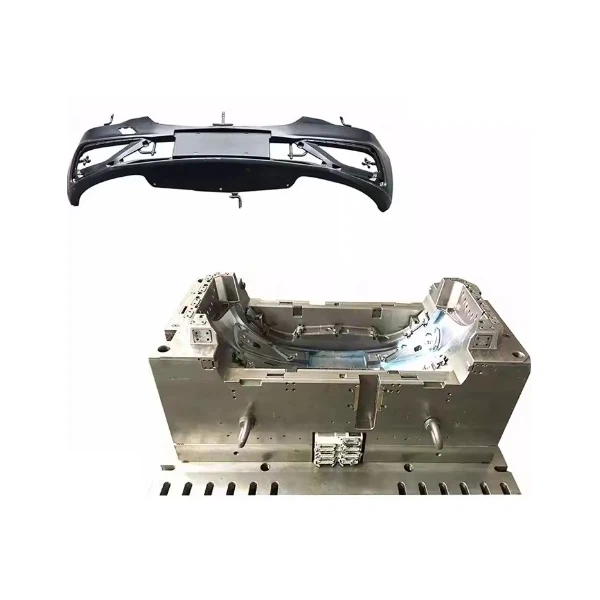

Multi - piece molds, on the other hand, allow for greater flexibility in material selection. Different parts of the grille cover can be made from different materials to achieve specific performance or aesthetic requirements. For example, a part of the grille cover that is exposed to more environmental stress might be made from a high - strength engineering plastic, while a decorative section can be made from a material with a better finish. This flexibility in material usage can enhance the overall functionality and appearance of the grille cover.
Quality and Durability
In terms of quality and durability, both single - piece and multi - piece grille cover molds have their own advantages. Single - piece grille covers, being formed in one continuous piece, generally have better structural integrity. There are no joints or seams where the cover could potentially weaken or separate, which can contribute to a longer lifespan and better resistance to external forces. This is particularly important for vehicles that are subject to rough driving conditions or high - speed travel.
Multi - piece grille covers, while potentially more complex in terms of assembly, can also offer high quality and durability when properly designed and manufactured. The use of different materials in different parts can allow for optimized performance. For example, a multi - piece grille cover can have a rigid frame for structural support and a flexible outer layer for impact absorption. However, the quality of the assembly process is crucial, as any flaws in the bonding or fastening of the parts can compromise the overall durability of the grille cover.
Market Trends and Customer Preferences
Market trends and customer preferences also influence the choice between single - piece and multi - piece grille cover molds. In recent years, there has been a growing demand for vehicles with unique and eye - catching designs. This has led to an increased popularity of multi - piece grille covers, as they offer more opportunities for customization and the creation of distinctive looks. Luxury car manufacturers, in particular, are increasingly using multi - piece grille covers to differentiate their products and appeal to customers who value exclusivity and high - end design.
However, single - piece grille covers still have their place in the market. They are widely used in mass - market vehicles, where cost - efficiency and reliability are the primary concerns. Many economy cars and family vehicles feature single - piece grille covers that provide a balance between functionality and affordability.
If you're in the automotive industry and are looking for high - quality Grille Cover Mould for your production needs, we're here to help. Our expertise in both single - piece and multi - piece grille cover molds allows us to offer customized solutions tailored to your specific requirements. Whether you're aiming for a mass - market product with cost - effective production or a high - end vehicle with a unique grille design, our Automotive Grille Injection Mould and Automotive Radiator Grille Tooling Mold can meet your expectations. Contact us to start a productive discussion about your grille cover mold needs.
References
- Automotive Industry Design Trends Report.
- Injection Molding Technology Handbook.
- Plastics for Automotive Applications Manual.