

Hey there! As a supplier of front grille moulds, I've seen firsthand how different factors can mess with the lifespan of these crucial tools. So, I thought I'd share some insights on what affects how long a front grille mould can last.
Material Quality
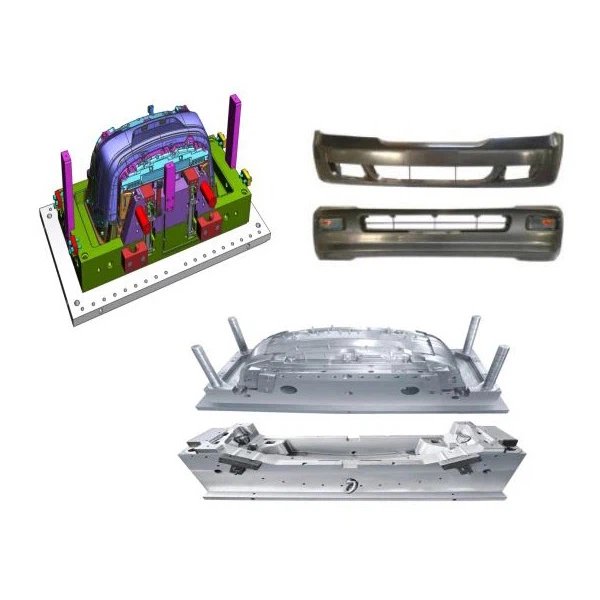
Let's start with the most obvious one - the material of the mould itself. High - quality steel is a no - brainer for making durable front grille moulds. When we use top - notch steel, it can withstand the high pressures and temperatures involved in the injection - molding process. Cheaper materials might seem like a good deal at first, but they'll wear out way faster. For example, low - grade steel might start to corrode or develop cracks after just a few hundred cycles. On the other hand, premium steel can handle thousands of cycles before showing signs of significant wear. We always go for the best materials in our Radiator Grille Mould production because we know it pays off in the long run.
Design Complexity
The design of the front grille also plays a huge role. If the grille has a super complex design with lots of intricate details, sharp corners, or thin walls, the mould is going to have a tougher time. Complex designs mean more stress on the mould during the injection process. The plastic has to flow into all those tiny spaces, and that can cause uneven wear on the mould. For instance, in an Automotive Radiator Grille Tooling Mold with a very detailed pattern, the areas around the fine details are more likely to get damaged. We've had to work hard to optimize the design of our moulds to reduce stress and increase their lifespan.
Operating Conditions
The way the mould is used in the production environment can really impact its lifespan. Temperature is a biggie. If the operating temperature is too high, the steel can start to soften, which weakens the mould. Similarly, if it's too low, the plastic might not flow properly, causing more stress on the mould. Humidity also matters. High humidity can lead to corrosion, especially if the mould isn't properly protected. And let's not forget about the injection pressure. Using too much pressure can cause the mould to deform over time. We always recommend our customers to keep a close eye on these operating conditions to get the most out of their Air Conditioner Grille Mold.
Maintenance and Care
Proper maintenance is key to extending the lifespan of a front grille mould. Regular cleaning is a must. After each use, the mould should be cleaned to remove any residual plastic or debris. This prevents build - up, which can cause damage over time. Lubrication is also important. Applying the right lubricant to the moving parts of the mould reduces friction and wear. And don't forget about inspection. Regularly checking the mould for signs of wear, cracks, or other damage allows you to catch problems early and fix them before they get worse. We offer maintenance guides to our customers to help them keep their moulds in top shape.
Molding Material
The type of plastic used in the injection - molding process can affect the mould's lifespan. Some plastics are more abrasive than others. For example, plastics filled with glass fibers or other hard particles can wear down the mould faster. Also, plastics with high melting points require higher temperatures during processing, which can put more stress on the mould. When choosing a molding material, it's important to consider its impact on the mould. We work closely with our customers to select the right combination of mould and plastic to ensure a long - lasting production process.
Production Volume
The number of parts produced using the mould, or the production volume, is another important factor. The more parts you make, the more wear and tear the mould will experience. High - volume production means the mould is constantly in use, and that can lead to faster degradation. However, with proper design, material selection, and maintenance, we can still make moulds that can handle high - volume production. For example, our moulds are designed to be as durable as possible, so they can withstand the rigors of mass - producing front grilles.
Mold Manufacturing Process
How the mould is made also affects its lifespan. Precision machining is crucial. If the mould isn't machined accurately, it can lead to uneven stress distribution during the injection process. Heat treatment is another important step. Proper heat treatment can improve the hardness and toughness of the steel, making the mould more resistant to wear and deformation. At our company, we use state - of - the - art manufacturing processes to ensure the highest quality and longest lifespan for our front grille moulds.
Storage Conditions
When the mould isn't in use, how it's stored can have an impact. It should be stored in a clean, dry place. If the mould is left in a damp or dirty environment, it can start to corrode or get damaged. Also, it's important to store the mould in a way that doesn't put unnecessary stress on it. For example, it should be supported properly to prevent warping. We provide storage recommendations to our customers to help them protect their investment.
In conclusion, there are many factors that affect the lifespan of a front grille mould. From the material quality and design complexity to the operating conditions and production volume, every aspect matters. As a front grille mould supplier, we take all these factors into account when designing and manufacturing our moulds. We want to provide our customers with the best - quality moulds that will last as long as possible.
If you're in the market for a front grille mould, whether it's a Radiator Grille Mould, an Automotive Radiator Grille Tooling Mold, or an Air Conditioner Grille Mold, we'd love to have a chat with you. We can discuss your specific needs and help you find the perfect mould for your production requirements. Contact us today to start the conversation!

References
- "Plastic Injection Molding Handbook" by Rosato, Rosato, and Schott.
- Industry reports on automotive parts manufacturing and mould technology.