

Alright, folks! As a supplier of bumper moulds, I've seen it all when it comes to using these things. Bumper moulds are super important in the automotive industry. They're used to create those bumpers that protect our cars during collisions. But just like any tool, there are some safety precautions we need to take when using them. Let's dive right in!
1. Personal Protective Equipment (PPE)
First and foremost, always wear the right PPE. When you're dealing with a bumper mould, you're exposed to various risks. Safety glasses are a must. Those tiny metal shavings or particles from the moulding process can fly into your eyes and cause serious damage. I've seen it happen, and it ain't pretty. Also, wear ear protection if the machinery makes a lot of noise. Prolonged exposure to high - decibel sounds can lead to hearing loss.
Gloves are another essential item. They protect your hands from cuts, burns, and chemical exposure. When you're handling the mould, it can have sharp edges, and the materials used in the moulding process can be hot. A good pair of heat - resistant and cut - resistant gloves is an investment worth making. And don't forget about safety shoes. They protect your feet from heavy objects that might accidentally fall and crush your toes.
2. Machine Inspection
Before you even start using the bumper mould, you need to inspect the machine thoroughly. Make sure all the moving parts are lubricated. A lack of lubrication can cause excessive friction, which not only reduces the machine's efficiency but also increases the risk of a breakdown. Check for any loose bolts or screws. If they're not tightened properly, the machine can vibrate during operation, leading to inaccurate moulding and even safety hazards.
Inspect the electrical components as well. Look for any frayed wires or loose connections. Electrical malfunctions can cause short - circuits, fires, or electric shocks. If you find any issues during the inspection, don't try to use the machine. Instead, call a professional technician to fix it.
3. Material Handling
The materials used in bumper moulding, like plastics and resins, can be hazardous. Some of these materials emit toxic fumes when heated. So, make sure you're working in a well - ventilated area. If possible, use exhaust fans or ventilation systems to remove the fumes from the workspace.
When handling the raw materials, be careful not to spill them. Some of these substances can be slippery, causing you to fall. If a spill does occur, clean it up immediately using the appropriate cleaning agents. Also, store the materials in a safe place away from heat sources and open flames. Most of the materials used in bumper moulding are flammable, so you don't want to take any chances.
4. Mould Installation and Removal
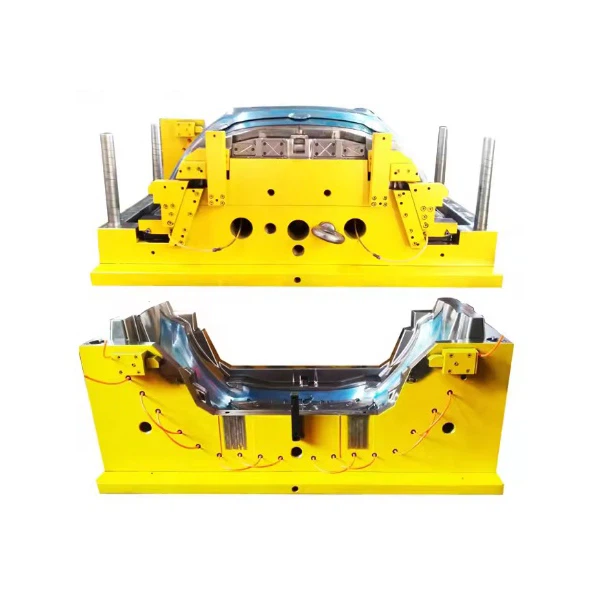
Installing and removing the bumper mould requires precision and caution. When installing the mould, make sure it's properly aligned with the machine. An improper alignment can lead to uneven moulding, which can weaken the bumper. Use the correct tools for installation, and follow the manufacturer's instructions carefully.
During removal, wait for the mould to cool down completely. If you try to remove a hot mould, you're at risk of getting burned. Handle the mould gently to avoid any damage. A damaged mould can affect the quality of the bumpers produced and may also pose a safety risk.
5. Emergency Preparedness
Always have an emergency plan in place. Know the location of fire extinguishers, first - aid kits, and emergency exits in your workspace. Make sure everyone on the team is aware of the emergency procedures. Conduct regular fire drills and emergency response training.
In case of an accident, such as a fire or a chemical spill, don't panic. Follow the emergency plan and use the appropriate safety equipment. For example, if there's a small fire, use a fire extinguisher. But if the fire is out of control, evacuate the area immediately and call the fire department.
6. Training and Education
Proper training is crucial for anyone using a bumper mould. Make sure all operators are trained on how to use the machine safely. This includes understanding the controls, knowing the safety features, and being aware of the potential hazards.
New employees should receive comprehensive training before they start working with the bumper mould. Regular refresher courses should also be provided to keep everyone up - to - date on the latest safety procedures. Encourage employees to ask questions and report any safety concerns they may have.
Related Products
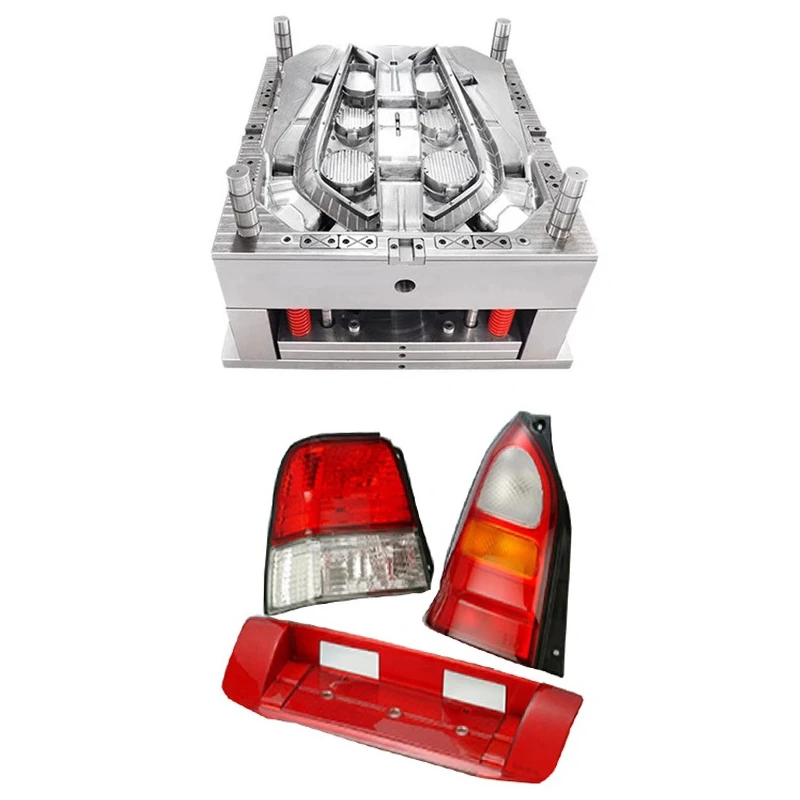
If you're in the market for other automotive moulds, we also offer some great options. Check out our Car Lamp Injection Mold, Car Front Bumper Mold, and Bumper Injection Mould. These products are of high quality and are designed to meet the needs of the automotive industry.
If you're interested in learning more about our bumper moulds or any of our other products, don't hesitate to reach out for a purchase negotiation. Whether you're a small - scale manufacturer or a large automotive company, we're here to provide you with top - notch products and excellent service.
References
- Automotive Safety Manual for Moulding Processes
- Manufacturer's User Guides for Bumper Moulds
- OSHA (Occupational Safety and Health Administration) Guidelines for Industrial Machinery Operation