

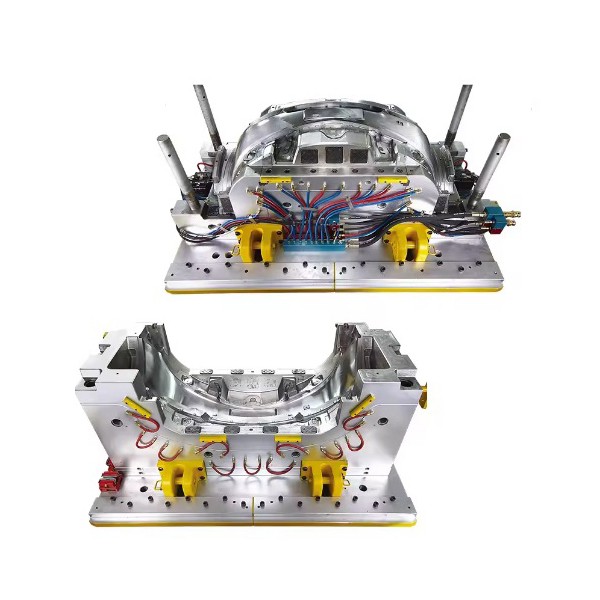
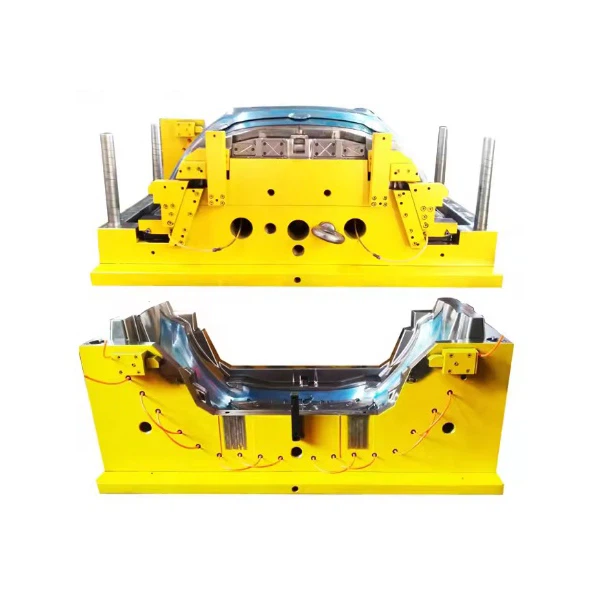
As a seasoned bumper mould supplier, I've witnessed firsthand the critical role that the workshop environment plays in the successful utilization of bumper moulds. The quality of the final bumper product is not solely dependent on the design and manufacturing precision of the mould itself but also on the conditions under which the mould is operated. In this blog, I'll delve into the essential requirements for the workshop environment when using a bumper mould.
Temperature Control
One of the most crucial factors in the workshop environment is temperature control. Bumper moulds, especially Bumper Injection Mould, are highly sensitive to temperature variations. During the injection molding process, the molten plastic needs to be injected into the mould cavity at a specific temperature to ensure proper flow and filling. If the workshop temperature is too high, the plastic may cool too slowly, leading to longer cycle times and potential defects such as warping or sink marks. On the other hand, if the temperature is too low, the plastic may solidify prematurely, resulting in incomplete filling and poor surface finish.
To maintain optimal temperature conditions, the workshop should be equipped with a reliable heating and cooling system. The temperature should be kept within a narrow range, typically between 20°C and 25°C, depending on the specific requirements of the bumper mould and the plastic material being used. Additionally, the mould itself may require a separate temperature control system to ensure that the cavity and core temperatures are precisely regulated. This can be achieved through the use of cooling channels within the mould or external temperature control units.
Humidity Management
Humidity is another important aspect of the workshop environment. High humidity levels can cause moisture to accumulate on the surface of the bumper mould, which can lead to corrosion and rust. This not only affects the appearance of the mould but also reduces its lifespan and can cause defects in the final bumper product. Moreover, moisture in the air can also be absorbed by the plastic material, leading to issues such as bubbling or delamination during the injection molding process.
To manage humidity, the workshop should be kept dry and well-ventilated. A dehumidifier can be used to remove excess moisture from the air, especially in areas with high humidity levels. It's also important to store the bumper moulds in a dry environment when not in use and to clean and dry them thoroughly after each use to prevent moisture buildup.
Cleanliness and Dust Control
A clean workshop environment is essential for the proper functioning of bumper moulds. Dust and debris can accumulate on the surface of the mould, which can cause scratches and damage to the cavity and core. This can result in poor surface finish and dimensional accuracy of the final bumper product. Additionally, dust particles can also contaminate the plastic material, leading to defects such as black specks or streaks.
To maintain a clean workshop, regular cleaning and maintenance are required. The workshop floor should be swept and mopped regularly, and the workbenches and equipment should be wiped down to remove any dust or debris. Air filters can be installed in the ventilation system to remove dust particles from the air, and the workshop should be kept free of clutter to minimize the accumulation of dust.
Ventilation
Proper ventilation is crucial in a workshop where bumper moulds are used. During the injection molding process, the plastic material is heated to a high temperature, which can release harmful fumes and gases. These fumes can be toxic and can pose a health risk to the workers in the workshop. Additionally, poor ventilation can also lead to the accumulation of heat and humidity, which can affect the performance of the bumper mould and the quality of the final product.
To ensure adequate ventilation, the workshop should be equipped with a ventilation system that can remove the fumes and gases from the air. This can be achieved through the use of exhaust fans, air ducts, and filters. The ventilation system should be designed to provide a sufficient amount of fresh air to the workshop and to remove the contaminated air effectively.
Lighting
Good lighting is essential in a workshop where bumper moulds are used. Adequate lighting allows the workers to inspect the moulds and the final bumper products for defects and to perform their tasks accurately. Poor lighting can make it difficult to detect small defects or to read the measurement instruments, which can lead to quality issues and production delays.
The workshop should be equipped with bright, uniform lighting that covers all areas of the workbench and the moulding equipment. Natural light can be supplemented with artificial lighting, such as fluorescent or LED lights, to ensure that the lighting levels are sufficient. Additionally, the lighting should be positioned in such a way that it does not create shadows or glare, which can interfere with the workers' vision.
Equipment Placement and Space Management
The placement of the equipment in the workshop is also an important consideration. The bumper moulding machines, auxiliary equipment, and storage areas should be arranged in a way that allows for efficient workflow and easy access. There should be enough space between the equipment to allow for maintenance and repair work, and the aisles should be wide enough to accommodate the movement of the workers and the materials.
Moreover, the storage areas for the bumper moulds should be organized and labeled to ensure easy identification and retrieval. The moulds should be stored in a way that protects them from damage and prevents them from being knocked over or stacked on top of each other.
Safety Measures
Safety is of utmost importance in a workshop where bumper moulds are used. The workers should be provided with appropriate personal protective equipment (PPE), such as safety glasses, gloves, and earplugs, to protect them from the hazards associated with the injection molding process. The workshop should also be equipped with safety devices, such as emergency stop buttons, safety guards, and fire extinguishers, to prevent accidents and to ensure the safety of the workers.
In addition to the physical safety measures, the workers should also be trained on the proper operation and maintenance of the bumper moulding equipment and the safety procedures to follow in case of an emergency. Regular safety inspections should be conducted to identify and address any potential safety hazards in the workshop.
Conclusion
In conclusion, the workshop environment plays a crucial role in the successful utilization of bumper moulds. Temperature control, humidity management, cleanliness, ventilation, lighting, equipment placement, and safety measures are all important factors that need to be considered to ensure the optimal performance of the bumper moulds and the quality of the final bumper products. As a bumper mould supplier, I understand the importance of providing our customers with not only high-quality moulds but also the necessary guidance and support to create an ideal workshop environment.
If you're in the market for Rear Bumper Mould or Front Bumper Mould, or if you have any questions about the requirements for the workshop environment when using a bumper mould, please don't hesitate to contact us. We're here to help you make the right choice and to ensure the success of your bumper production.
References
- "Injection Molding Handbook" by O. Olszewski
- "Plastic Mould Design and Manufacturing" by P. F. Bruins
- "Workshop Safety Guidelines" by Occupational Safety and Health Administration (OSHA)