

In the realm of industrial manufacturing, plastic spool moulds have long been associated predominantly with injection molding. As a seasoned supplier of [Plastic Spool Moulds], I've witnessed firsthand the widespread perception that these moulds serve a single purpose. However, a deeper exploration reveals that the capabilities of plastic spool moulds extend far beyond the confines of injection molding. In this blog, we'll delve into the versatility of plastic spool moulds, examining their potential applications beyond injection molding and shedding light on the diverse opportunities they present for manufacturers.
The Dominance of Injection Molding
Injection molding is undeniably the most common method employed with plastic spool moulds. This process involves injecting molten plastic into a mould cavity under high pressure, where it cools and solidifies to take the shape of the spool. Injection molding offers several advantages, including high production efficiency, precision, and the ability to produce complex geometries with tight tolerances. As a result, it has become the go-to choice for mass-producing plastic spools across various industries, from textiles to electronics.
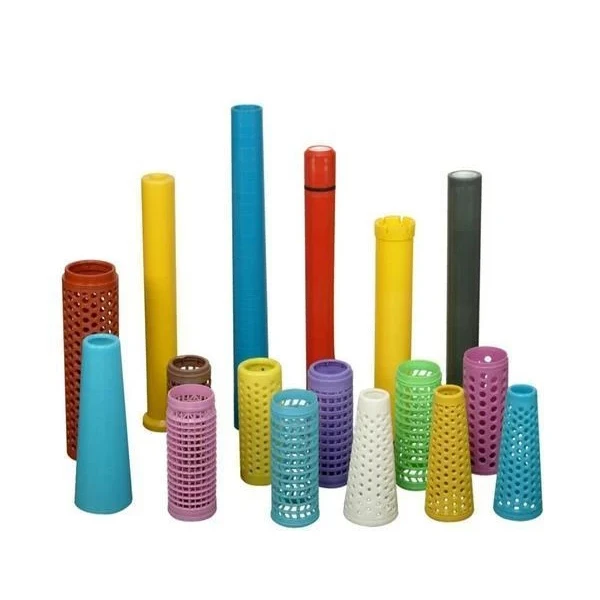
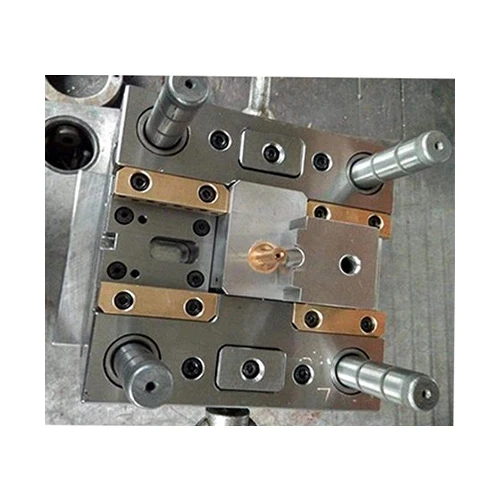
At [Our Company], we specialize in providing high-quality Injection Plastic Spool Bobbin Moulds designed to meet the specific needs of our customers. Our moulds are crafted using advanced manufacturing techniques and premium materials, ensuring durability, reliability, and consistent performance. Whether you require a standard design or a custom solution, our team of experts is dedicated to delivering moulds that exceed your expectations.
Beyond Injection Molding: Alternative Processes
While injection molding is the primary application for plastic spool moulds, there are several alternative processes that can also utilize these versatile tools. Let's explore some of these alternative methods and the unique advantages they offer.
Compression Molding
Compression molding is a process in which a pre-measured amount of plastic material is placed directly into a heated mould cavity. The mould is then closed, and pressure is applied to compress the material, forcing it to fill the cavity and take the shape of the spool. Unlike injection molding, which involves injecting molten plastic under high pressure, compression molding relies on the application of pressure to shape the material.
Compression molding is particularly well-suited for producing large, thick-walled spools or spools with complex shapes. It offers several advantages over injection molding, including lower tooling costs, reduced material waste, and the ability to use a wider range of materials, including thermosetting plastics. At [Our Company], we offer Plastic Cone Bobbin Moulds that are suitable for compression molding, allowing our customers to explore alternative manufacturing methods and expand their production capabilities.
Blow Molding
Blow molding is a process in which a heated plastic tube, known as a parison, is placed inside a mould cavity. Air is then blown into the parison, causing it to expand and take the shape of the mould. Blow molding is commonly used to produce hollow plastic products, such as bottles, containers, and, yes, spools.
Blow molding offers several advantages for producing plastic spools, including the ability to create seamless, one-piece designs, reduced material usage, and faster production times. It is particularly well-suited for producing large, lightweight spools or spools with a high degree of flexibility. At [Our Company], we can provide customized Cable Spool Plastic Injection Molds that can be adapted for blow molding applications, allowing our customers to take advantage of this innovative manufacturing process.
Rotational Molding
Rotational molding, also known as rotomolding, is a process in which a plastic powder is placed inside a heated mould cavity. The mould is then rotated slowly in multiple axes, causing the powder to melt and coat the inside of the mould. As the mould continues to rotate, the plastic cools and solidifies, taking the shape of the spool.
Rotational molding is a versatile process that can be used to produce a wide range of plastic products, including spools of various sizes and shapes. It offers several advantages, including the ability to create complex, seamless designs, uniform wall thickness, and the ability to use a variety of materials, including polyethylene, polypropylene, and PVC. At [Our Company], we have the expertise and capabilities to develop and manufacture plastic spool moulds for rotational molding applications, helping our customers achieve their production goals.
Advantages of Utilizing Plastic Spool Moulds Beyond Injection Molding
By exploring alternative manufacturing processes for plastic spool moulds, manufacturers can unlock a range of benefits that can enhance their production capabilities and competitiveness in the market. Here are some of the key advantages of utilizing plastic spool moulds beyond injection molding:
Cost Savings
Alternative manufacturing processes, such as compression molding, blow molding, and rotational molding, often require less expensive tooling and equipment compared to injection molding. This can result in significant cost savings, especially for small to medium-sized production runs or for manufacturers looking to reduce their initial investment in tooling.
Material Flexibility
Different manufacturing processes allow for the use of a wider range of materials, including thermosetting plastics, elastomers, and composites. This flexibility enables manufacturers to select the most suitable material for their specific application, based on factors such as strength, durability, chemical resistance, and cost.
Design Freedom
Alternative manufacturing processes offer greater design freedom compared to injection molding, allowing manufacturers to create spools with complex shapes, textures, and features. This can open up new opportunities for product innovation and differentiation in the market.
Reduced Environmental Impact
Some alternative manufacturing processes, such as compression molding and rotational molding, generate less waste and require less energy compared to injection molding. This can help manufacturers reduce their environmental footprint and meet sustainability goals.
Conclusion
In conclusion, while injection molding is the most common application for plastic spool moulds, these versatile tools can be used in a variety of alternative manufacturing processes. By exploring these alternative methods, manufacturers can unlock a range of benefits, including cost savings, material flexibility, design freedom, and reduced environmental impact.
As a leading supplier of plastic spool moulds, [Our Company] is committed to helping our customers explore the full potential of these tools and find the best manufacturing solution for their specific needs. Whether you're looking to optimize your injection molding process or explore alternative methods, our team of experts is here to provide you with the support and guidance you need.
If you're interested in learning more about our plastic spool moulds or discussing your specific requirements, please don't hesitate to [Contact Us]. We look forward to the opportunity to work with you and help you achieve your production goals.
References
- "Plastic Processing Technology" by John A. Brydson
- "Handbook of Plastic Molding Technology" by O. John Hanna
- "Injection Molding Handbook" by James L. Throne