

Hey there! As a supplier of bumper moulds, I've seen my fair share of issues when it comes to the filling of bumpers in these moulds. Poor filling can be a real headache, leading to defective parts, wasted materials, and lost time. So, I thought I'd share some of the common reasons for this problem and what you can do about it.
1. Injection Molding Machine Issues
First off, let's talk about the injection molding machine. If the machine isn't set up correctly, it can cause all sorts of filling problems. For example, if the injection pressure is too low, the molten plastic might not be able to flow all the way through the mould cavity. This can result in incomplete filling, leaving parts of the bumper unfilled or with thin spots.
On the other hand, if the injection speed is too slow, the plastic can start to cool and solidify before it reaches all areas of the mould. This can also lead to poor filling and uneven parts. It's crucial to make sure that the injection molding machine is calibrated properly and that the settings are adjusted according to the specific requirements of the bumper mould.
Another issue with the machine could be a clogged nozzle or runner system. If the plastic can't flow freely through these channels, it won't reach the mould cavity as it should. Regular maintenance and cleaning of the machine are essential to prevent these blockages.
2. Mould Design Flaws
The design of the bumper mould itself can also be a major factor in poor filling. One common problem is the gate location. The gate is the point where the molten plastic enters the mould cavity. If the gate is placed in the wrong spot, it can cause the plastic to flow unevenly, leading to incomplete filling.
For example, if the gate is too small, it can restrict the flow of plastic and cause it to solidify before filling the entire cavity. On the other hand, if the gate is too large, it can cause excessive pressure and turbulence, which can also result in poor filling. The gate size and location need to be carefully designed based on the shape and size of the bumper.
Another design issue could be the venting of the mould. During the injection process, air needs to escape from the mould cavity to allow the plastic to fill it completely. If the vents are too small or blocked, the air can get trapped, creating air pockets and preventing the plastic from filling the mould properly.
3. Material Properties
The type of plastic material used for the bumper can also affect the filling process. Different plastics have different flow properties, and some are more difficult to fill into a mould than others. For example, materials with high viscosity tend to flow more slowly and require higher injection pressures to fill the mould completely.
The temperature of the plastic also plays a crucial role. If the plastic is too cold, it will be more viscous and harder to flow. On the other hand, if it's too hot, it can degrade and lose its properties. It's important to use the right type of plastic for the bumper and to control its temperature accurately during the injection process.
4. Cooling System Problems
The cooling system in the bumper mould is responsible for solidifying the plastic after it's injected. If the cooling system isn't working properly, it can cause uneven cooling, which can lead to poor filling. For example, if some areas of the mould cool too quickly, the plastic in those areas can solidify before the rest of the plastic has a chance to fill the cavity.
This can result in warping, shrinkage, and incomplete filling. It's important to ensure that the cooling system is designed to provide uniform cooling throughout the mould. This might involve using a combination of cooling channels, water flow rates, and temperature control.

5. Part Geometry
The shape and size of the bumper itself can also pose challenges for filling. Complex geometries with thin walls, sharp corners, or deep cavities can make it difficult for the plastic to flow evenly. In these cases, additional features such as flow aids or multiple gates might be needed to ensure proper filling.
For example, if the bumper has a long, thin section, the plastic might not be able to flow all the way through it without additional assistance. Adding a flow aid or increasing the number of gates can help to distribute the plastic more evenly and improve filling.
Solutions and Recommendations
Now that we've identified some of the common reasons for poor filling in bumper moulds, let's talk about some solutions. First and foremost, it's important to work with a professional mould designer and manufacturer. They can ensure that the mould is designed correctly, with the right gate location, venting, and cooling system.
Regular maintenance of the injection molding machine is also crucial. This includes cleaning the nozzle and runner system, checking the injection pressure and speed settings, and ensuring that the machine is in good working condition.
When it comes to the plastic material, make sure to choose the right type for the bumper and to control its temperature accurately. This might require some experimentation and testing to find the optimal settings.
Finally, if you're experiencing persistent filling problems, don't hesitate to seek advice from experts. There are many resources available, such as industry forums and technical support teams, who can help you troubleshoot the issue and find a solution.
Conclusion
Poor filling in a bumper mould can be caused by a variety of factors, including injection molding machine issues, mould design flaws, material properties, cooling system problems, and part geometry. By understanding these factors and taking the appropriate steps to address them, you can improve the filling process and produce high-quality bumpers.
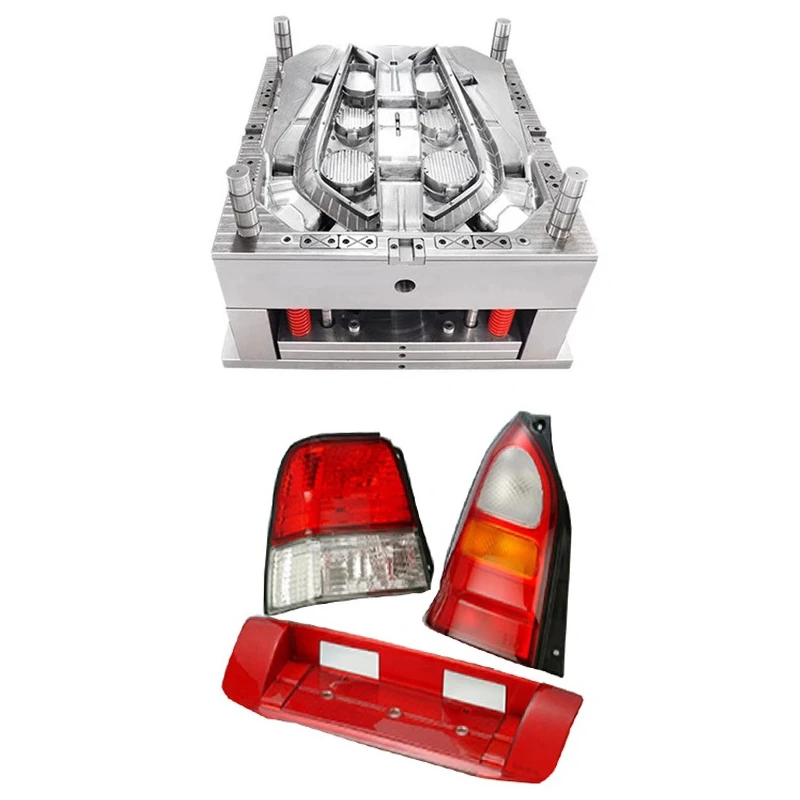
As a bumper mould supplier, I'm here to help you with all your moulding needs. Whether you're looking for a Car Lamp Injection Mold, a Car Front Bumper Mold, or a Compression Molds For Automotive, I've got you covered. If you have any questions or would like to discuss your project, feel free to reach out. Let's work together to create the perfect bumper mould for your needs.
References
- "Injection Molding Handbook" by Rosato and Rosato
- "Mold Design for Injection Molding" by Throne