

As a seasoned supplier of bumper moulds, I've witnessed firsthand the various challenges that can lead to the deformation of these critical components. Bumper moulds are essential in the automotive industry, as they play a pivotal role in shaping the bumpers that protect vehicles and enhance their aesthetic appeal. Understanding the reasons behind bumper mould deformation is crucial for ensuring the quality and longevity of these products. In this blog post, I'll delve into the primary factors that contribute to bumper mould deformation and offer insights on how to mitigate these issues.
Material Selection and Properties
One of the most significant factors influencing bumper mould deformation is the material used in the mould's construction. Different materials have varying physical and mechanical properties, which can affect their performance under different conditions. For instance, if a mould is made from a material with low thermal stability, it may deform when exposed to high temperatures during the manufacturing process.
Plastic materials, commonly used in bumper production, have different shrinkage rates depending on their composition. When the plastic cools and solidifies in the mould, uneven shrinkage can occur, leading to deformation. This is particularly true for large and complex bumper designs, where the plastic may cool at different rates in different areas of the mould. To address this issue, it's essential to select materials with consistent shrinkage rates and to optimize the mould design to minimize the effects of uneven cooling.

Design and Manufacturing Defects
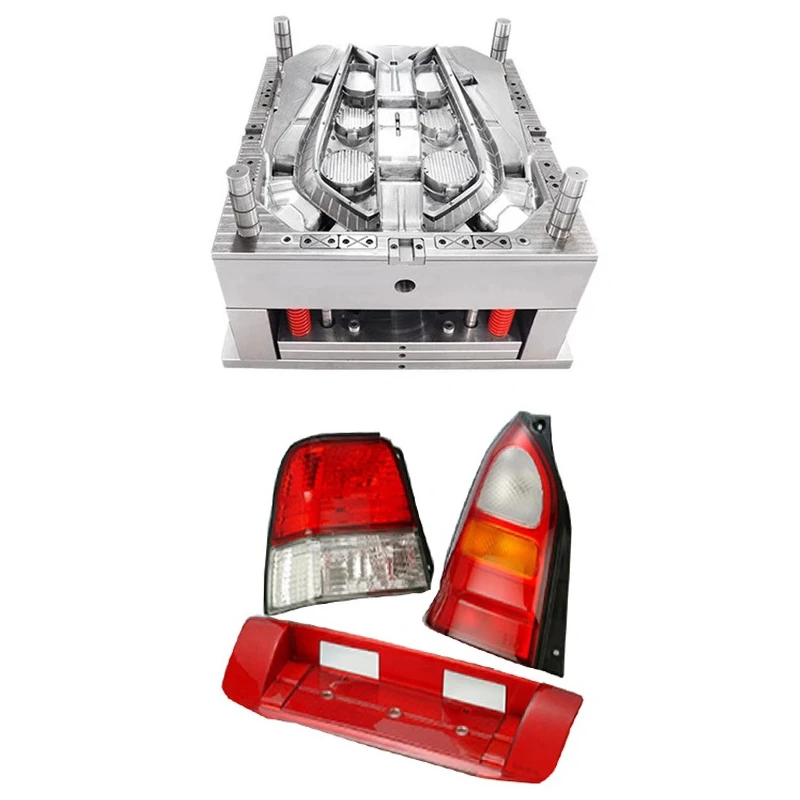
Poor mould design and manufacturing processes can also contribute to deformation. A well-designed mould should have proper venting to allow air to escape during the injection process. If the venting is inadequate, air pockets can form in the plastic, leading to uneven pressure distribution and deformation. Additionally, the gating system, which controls the flow of plastic into the mould, must be designed correctly to ensure uniform filling. Improper gating can cause the plastic to flow unevenly, resulting in warping and distortion.
During the manufacturing process, any errors in machining or assembly can lead to misalignment or dimensional inaccuracies in the mould. These defects can cause stress concentrations in the mould, which can eventually lead to deformation. To prevent these issues, it's crucial to work with experienced mould manufacturers who use advanced machining techniques and quality control measures to ensure the accuracy and precision of the mould.
Operational Conditions
The operational conditions under which the bumper mould is used can also have a significant impact on its deformation. High injection pressures and temperatures can cause the mould to expand and contract, leading to fatigue and deformation over time. Additionally, excessive clamping forces can cause the mould to warp or crack, especially if the mould is not designed to withstand these forces.
To minimize the effects of operational conditions, it's important to monitor and control the injection process parameters carefully. This includes adjusting the injection pressure, temperature, and speed to ensure that they are within the recommended range for the specific material and mould design. Regular maintenance and inspection of the mould can also help to identify and address any issues before they become severe.
Wear and Tear
Over time, bumper moulds are subject to wear and tear due to repeated use. The constant friction between the plastic and the mould surface can cause the surface to become rough and worn, which can affect the quality of the bumper finish and lead to deformation. Additionally, the presence of abrasive particles in the plastic or the environment can accelerate the wear process.
To extend the lifespan of the bumper mould and reduce the risk of deformation, it's important to implement a regular maintenance schedule. This includes cleaning the mould after each use, inspecting it for signs of wear and damage, and performing any necessary repairs or replacements. Applying a protective coating to the mould surface can also help to reduce friction and wear.
Thermal Expansion and Contraction
Thermal expansion and contraction are natural phenomena that occur when materials are exposed to changes in temperature. In the case of bumper moulds, the repeated heating and cooling cycles during the injection process can cause the mould to expand and contract. If the mould is not designed to accommodate these changes, it can lead to deformation.
To minimize the effects of thermal expansion and contraction, it's important to use materials with low thermal expansion coefficients and to design the mould with sufficient clearance to allow for expansion. Additionally, implementing a temperature control system can help to maintain a consistent temperature in the mould, reducing the stress caused by thermal cycling.
How to Mitigate Bumper Mould Deformation
To prevent or reduce the deformation of bumper moulds, it's essential to take a comprehensive approach that addresses all the factors mentioned above. Here are some key strategies:
- Material Selection: Choose materials with high thermal stability, consistent shrinkage rates, and low coefficients of thermal expansion. Work with material suppliers to select the best material for your specific application.
- Design Optimization: Ensure that the mould design includes proper venting, gating, and cooling systems. Use advanced simulation software to analyze the flow of plastic in the mould and to optimize the design for uniform filling and cooling.
- Manufacturing Quality: Work with experienced mould manufacturers who use advanced machining techniques and quality control measures to ensure the accuracy and precision of the mould. Inspect the mould thoroughly before accepting it to ensure that it meets your specifications.
- Operational Management: Monitor and control the operational conditions of the mould, including injection pressure, temperature, and clamping force. Implement a regular maintenance schedule to clean, inspect, and repair the mould as needed.
- Training and Education: Provide training to your operators on the proper use and maintenance of the bumper mould. Ensure that they understand the importance of following the recommended operating procedures and that they are aware of the signs of potential deformation.
Conclusion
In conclusion, the deformation of bumper moulds can be caused by a variety of factors, including material selection, design and manufacturing defects, operational conditions, wear and tear, and thermal expansion and contraction. By understanding these factors and taking appropriate measures to address them, it's possible to minimize the risk of deformation and ensure the quality and longevity of the bumper mould.
As a leading supplier of bumper moulds, we are committed to providing our customers with high-quality products and solutions. Our team of experts has extensive experience in designing and manufacturing bumper moulds, and we use the latest technologies and materials to ensure the performance and reliability of our products. If you're looking for a reliable bumper mould supplier, Compression Molds For Automotive, Car Lamp Injection Mold, and Front Bumper Mould are just some of the options we offer. Contact us today to discuss your specific requirements and to learn more about how we can help you achieve your goals.
References
- Smith, J. (2020). Plastic Injection Molding Handbook. New York: Wiley.
- Jones, A. (2019). Automotive Mould Design and Manufacturing. London: Elsevier.
- Brown, R. (2018). Understanding Material Properties for Mould Design. Boston: McGraw-Hill.