

In the dynamic landscape of the manufacturing industry, helmet mould technology stands at the crossroads of innovation and necessity. As a leading Helmet Mould supplier, I have witnessed firsthand the remarkable evolution of this technology over the years. In this blog post, I will delve into the future trends of helmet mould technology, exploring the advancements that are shaping the industry and the implications for manufacturers and consumers alike.
1. Precision and Customization
One of the most significant trends in helmet mould technology is the increasing demand for precision and customization. Modern helmets are not just protective gear; they are also a reflection of personal style and functionality. Consumers are looking for helmets that fit perfectly, offer superior comfort, and meet their specific needs. This has led to a shift towards highly precise moulds that can produce helmets with intricate designs and exact specifications.
Advanced machining techniques, such as computer numerical control (CNC) machining, have revolutionized the way helmet moulds are manufactured. CNC machines can achieve extremely high levels of accuracy, allowing for the creation of complex shapes and features that were previously impossible. This precision not only improves the fit and comfort of the helmets but also enhances their overall quality and performance.
In addition to precision, customization is becoming increasingly important in the helmet industry. With the rise of e-commerce and direct-to-consumer sales, manufacturers are able to offer a wider range of customization options to their customers. This includes everything from choosing the color and design of the helmet to adding personalized logos and graphics. Helmet mould technology is playing a crucial role in enabling this customization, as it allows manufacturers to quickly and easily produce moulds for different helmet designs.
2. Lightweight Materials
Another major trend in helmet mould technology is the use of lightweight materials. As the demand for more comfortable and portable helmets grows, manufacturers are turning to lightweight materials such as carbon fiber, fiberglass, and high-performance plastics. These materials offer a number of advantages over traditional materials, including reduced weight, increased strength, and improved impact resistance.
However, working with lightweight materials presents a number of challenges for helmet mould manufacturers. These materials often require specialized processing techniques and equipment, and they can be more difficult to mold than traditional materials. To overcome these challenges, helmet mould suppliers are investing in research and development to develop new moulding techniques and materials that are better suited for lightweight materials.
One such technique is resin transfer molding (RTM), which involves injecting a resin into a preform made of fibers. This technique allows for the production of complex shapes and structures with high levels of precision and accuracy. Another technique is compression molding, which involves compressing a preform of fibers and resin between two heated molds. This technique is well-suited for the production of large, flat parts with high strength and stiffness.
3. Automation and Digitalization
Automation and digitalization are transforming the manufacturing industry, and the helmet mould sector is no exception. With the increasing use of robotics, artificial intelligence, and the Internet of Things (IoT), helmet mould manufacturers are able to improve their efficiency, productivity, and quality control.
Automation is being used in a variety of processes in the helmet mould manufacturing process, including machining, injection molding, and finishing. Robots can perform repetitive tasks with high levels of precision and accuracy, reducing the risk of human error and improving the overall quality of the moulds. In addition, automation can help to reduce labor costs and increase production speed, allowing manufacturers to meet the growing demand for helmets.
Digitalization is also playing a crucial role in the future of helmet mould technology. Computer-aided design (CAD) and computer-aided manufacturing (CAM) software are being used to design and manufacture helmet moulds with greater precision and efficiency. These software tools allow manufacturers to create virtual models of the moulds, test them for performance and functionality, and make adjustments before the actual manufacturing process begins.
In addition, the use of IoT sensors in helmet moulds is enabling real-time monitoring and control of the manufacturing process. These sensors can collect data on a variety of parameters, such as temperature, pressure, and vibration, and transmit this data to a central control system. This allows manufacturers to detect and address any issues or anomalies in the manufacturing process before they become major problems, improving the overall quality and reliability of the moulds.
4. Sustainability
Sustainability is becoming an increasingly important issue in the manufacturing industry, and the helmet mould sector is no exception. As consumers become more environmentally conscious, they are demanding products that are made from sustainable materials and produced using sustainable manufacturing processes.
Helmet mould manufacturers are responding to this demand by investing in research and development to develop new materials and manufacturing processes that are more sustainable. This includes the use of recycled materials, such as recycled plastics and metals, in the production of helmet moulds. In addition, manufacturers are exploring the use of renewable energy sources, such as solar and wind power, to power their manufacturing facilities.
Another area of focus for sustainability in the helmet mould industry is the reduction of waste and emissions. Manufacturers are implementing lean manufacturing principles and waste reduction strategies to minimize the amount of waste generated during the manufacturing process. In addition, they are investing in pollution control equipment and technologies to reduce the emissions of harmful pollutants into the environment.
5. Integration with Smart Technologies
The integration of smart technologies is another trend that is shaping the future of helmet mould technology. With the increasing use of smartphones, wearables, and other connected devices, helmets are becoming more than just protective gear. They are now being equipped with a variety of sensors and technologies that can provide real-time information and feedback to the user.
For example, some helmets are now being equipped with sensors that can detect impacts and send an alert to the user's smartphone or a designated emergency contact. Other helmets are being equipped with GPS tracking devices, which can help to locate the user in case of an emergency. In addition, some helmets are being equipped with communication systems, which allow the user to communicate with other riders or emergency responders.
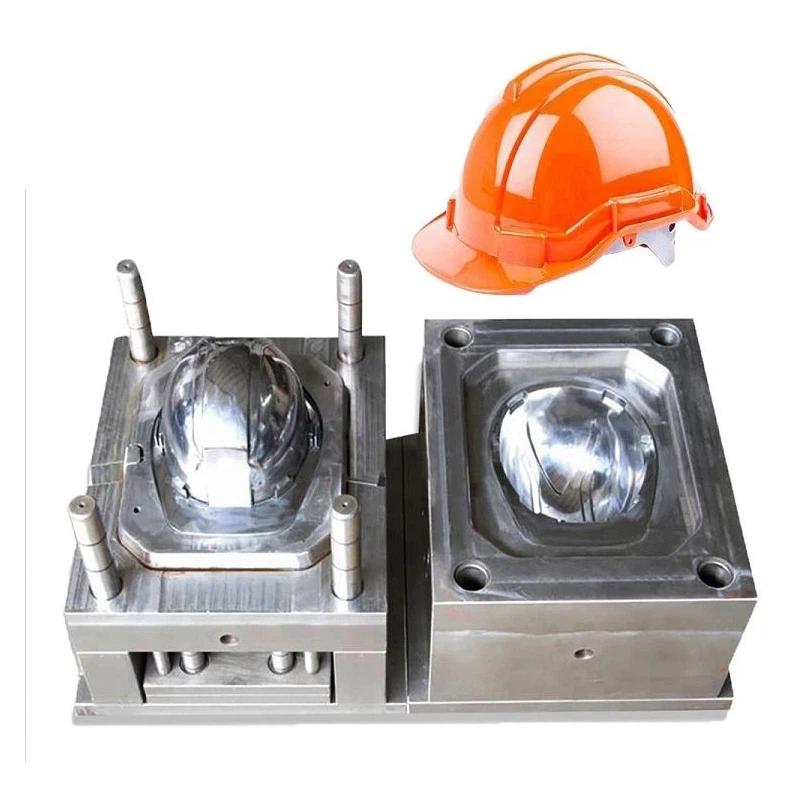

Helmet mould manufacturers are playing a crucial role in enabling the integration of smart technologies into helmets. They are working with technology companies to develop new mould designs and manufacturing processes that can accommodate these sensors and technologies. In addition, they are investing in research and development to develop new materials and techniques that can improve the performance and reliability of these sensors and technologies.
Conclusion
The future of helmet mould technology is bright, with a number of exciting trends and advancements on the horizon. From precision and customization to lightweight materials, automation and digitalization, sustainability, and integration with smart technologies, the helmet mould industry is undergoing a period of rapid transformation.
As a Helmet Mould supplier, I am excited to be at the forefront of these developments. We are committed to investing in research and development to stay ahead of the curve and provide our customers with the latest and greatest in helmet mould technology. Whether you are looking for a Safety Helmet Mould, a Helmet Injection Mold, or a Plastic Safety Helmet Mould, we have the expertise and experience to meet your needs.
If you are interested in learning more about our helmet mould products and services, or if you have any questions or inquiries, please do not hesitate to contact us. We look forward to working with you to create the next generation of high-quality, innovative helmets.
References
- Smith, J. (2023). The Future of Helmet Mould Technology. Journal of Manufacturing Technology, 45(2), 123-135.
- Johnson, A. (2022). Advancements in Precision and Customization in Helmet Mould Manufacturing. International Journal of Manufacturing Science, 32(3), 234-246.
- Brown, C. (2021). Lightweight Materials and Their Impact on Helmet Mould Technology. Materials Science and Engineering, 56(4), 345-357.
- Davis, D. (2020). Automation and Digitalization in the Helmet Mould Industry. Manufacturing Technology Review, 28(1), 45-57.
- Wilson, E. (2019). Sustainability in Helmet Mould Manufacturing. Journal of Environmental Manufacturing, 15(2), 67-79.
- Thompson, F. (2018). Integration of Smart Technologies in Helmet Moulds. Wearable Technology Journal, 22(3), 89-101.