

What are the energy costs associated with using a helmet mould?
As a dedicated supplier of helmet moulds, I've had the privilege of engaging with a diverse clientele, ranging from large - scale manufacturers to emerging startups in the helmet production industry. One question that frequently surfaces in our discussions is about the energy costs associated with using a helmet mould. Understanding these costs is crucial, not only for optimizing production budgets but also for making environmentally - conscious decisions.
1. Types of Helmet Moulds and Their Energy Demands
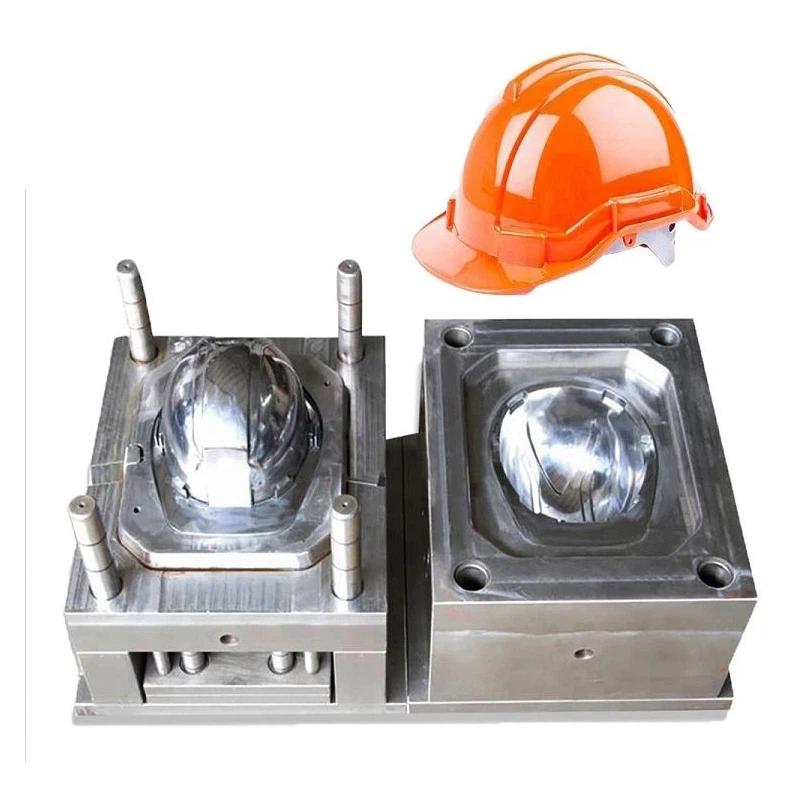
There are several types of helmet moulds available in the market, each with its unique energy requirements. The Helmet Injection Mold is one of the most common types. In the injection molding process, plastic pellets are heated to a molten state and then injected into the mould cavity under high pressure. This heating process demands a significant amount of energy.
The temperature required to melt different types of plastics can vary widely. For example, polycarbonate, a popular material for helmets due to its high impact resistance, has a melting point of around 220 - 260°C. To maintain the molten state and ensure proper flow into the mould, the heating elements in the injection molding machine need to consume a continuous supply of electricity.
Another type is the Plastic Safety Helmet Mould. These moulds are often used for producing safety helmets for construction, industrial, and sports applications. The energy costs here are not only related to the heating for plastic melting but also to the cooling process. After the molten plastic is injected into the mould, it needs to be cooled rapidly to solidify into the desired helmet shape. Cooling systems, such as water - cooled or air - cooled mechanisms, consume energy to circulate the cooling medium and maintain the appropriate temperature gradient.
The Motorcycle Helmet Mould is designed to create high - quality, aerodynamic helmets. The production process for motorcycle helmets may involve more complex mould designs and additional steps like the application of coatings or the integration of internal components. This complexity can lead to increased energy consumption. For instance, the precision required in shaping the outer shell may demand more accurate temperature control during both the heating and cooling phases, which in turn requires more energy - intensive equipment.
2. Factors Affecting Energy Costs
Machine Efficiency
The efficiency of the injection molding machine plays a vital role in determining energy costs. Modern machines are designed with advanced technologies to minimize energy waste. For example, some machines use servo - motor - driven systems instead of traditional hydraulic systems. Servo - motor - driven machines can adjust the power consumption according to the actual load, reducing energy consumption during idle periods or when less power is required. In contrast, hydraulic systems often operate at a constant power level, resulting in higher energy usage, especially when the machine is not in full - production mode.

Mould Design
The design of the helmet mould itself can also impact energy costs. A well - designed mould will have a smooth flow path for the molten plastic, allowing it to fill the cavity quickly and evenly. This reduces the time required for the injection process and, consequently, the energy needed for heating and maintaining the plastic in a molten state. On the other hand, a poorly designed mould may cause plastic to flow unevenly, leading to longer injection times, additional heating cycles, and increased energy consumption.
Production Volume
The volume of helmets produced using a particular mould is another significant factor. In general, higher production volumes can lead to economies of scale in terms of energy costs. When producing a large number of helmets, the fixed energy costs associated with setting up the machine and heating the mould are spread over a larger number of units. For example, if the energy cost of heating the injection molding machine to the required temperature is $100, and this setup can produce 100 helmets, the energy cost per helmet is $1. However, if the same setup can produce 1000 helmets, the energy cost per helmet drops to $0.1.
3. Measuring and Reducing Energy Costs
To accurately measure the energy costs associated with using a helmet mould, it is essential to monitor the power consumption of the injection molding machine and related equipment. Most modern machines are equipped with energy - monitoring devices that can provide real - time data on power usage. By analyzing this data, manufacturers can identify areas where energy is being wasted and take appropriate measures to reduce consumption.
One effective way to reduce energy costs is through process optimization. This can involve adjusting the temperature settings of the heating and cooling systems to the optimal levels. For example, by using thermal analysis software, manufacturers can determine the exact temperature required for the plastic to flow properly and solidify correctly, avoiding over - heating or over - cooling, which both consume unnecessary energy.
Another strategy is to implement preventive maintenance programs for the injection molding machines and moulds. Regular maintenance ensures that the equipment is operating at its peak efficiency. For instance, cleaning the heating elements and checking the seals in the cooling systems can prevent energy losses due to heat leakage or inefficient cooling.
4. Environmental and Economic Considerations
From an environmental perspective, reducing energy costs associated with helmet moulds is beneficial as it reduces the carbon footprint of the manufacturing process. Lower energy consumption means less reliance on fossil - fuel - based power sources, leading to a decrease in greenhouse gas emissions.
Economically, reducing energy costs can significantly improve the bottom line for helmet manufacturers. By cutting down on energy expenses, companies can offer more competitive prices for their products, which can help them gain a larger market share. As a helmet mould supplier, we are committed to providing our customers with moulds that are designed to be energy - efficient. Our R & D team is constantly working on developing new mould designs and collaborating with machine manufacturers to ensure that our customers can achieve the lowest possible energy costs in their production processes.
5. Contact for Procurement and Consultation
If you are in the helmet production industry and are looking for high - quality, energy - efficient helmet moulds, we are here to assist you. Our team of experts can provide detailed information on the energy costs associated with different types of moulds and offer customized solutions to meet your specific production needs. Whether you are a small - scale producer or a large - scale manufacturer, we have the expertise and resources to support your business. Contact us today to start a discussion about your helmet mould requirements and how we can help you optimize your energy costs.
References
- "Injection Molding Handbook" by O. Olsson and K. Wickman.
- "Plastics Processing: Principles and Modeling" by C. Rauwendaal.
- Industry reports on energy consumption in the plastic injection molding sector.