

In the realm of industrial manufacturing, plastic spool moulds play a pivotal role in producing high - quality plastic spools that are used in various industries such as electronics, telecommunications, and cable management. As a leading supplier of Plastic Spool Moulds, I have witnessed firsthand the importance of understanding the characteristics of a high - performance plastic spool mould. In this blog, I will delve into the key features that make a plastic spool mould stand out in terms of performance, efficiency, and product quality.
Precision Engineering
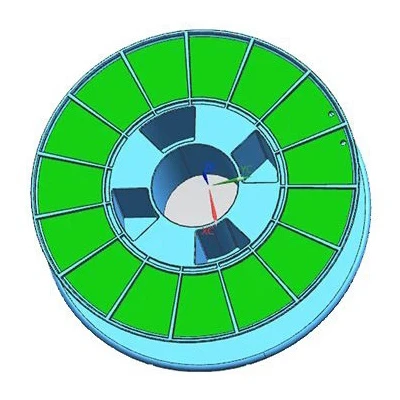
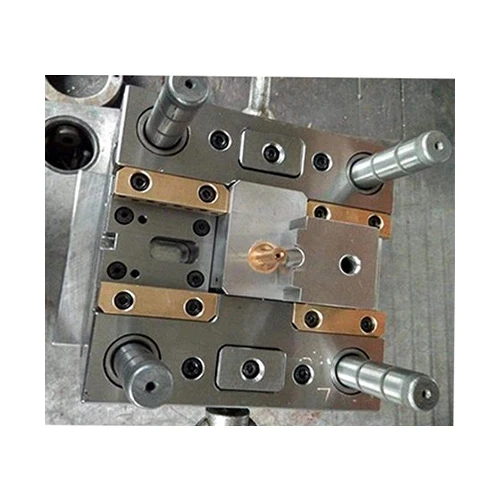
One of the most crucial characteristics of a high - performance plastic spool mould is precision engineering. Every aspect of the mould, from the cavity design to the core construction, must be meticulously crafted to ensure accurate and consistent production of plastic spools. Precision engineering allows for tight tolerances, which means that the finished spools will have the exact dimensions required for their intended applications.
For example, in the production of Plastic Bobbin Coil Mold, precision is of utmost importance. These bobbins are used to hold coils of wire in electronic devices, and any deviation in size can lead to improper fitting and functionality issues. A high - performance mould will be designed with advanced CAD/CAM technology, which enables engineers to create detailed 3D models of the mould and simulate the injection molding process. This helps to identify and rectify any potential problems before the mould is manufactured, ensuring that the final product meets the highest standards of quality.
High - Quality Materials
The materials used in the construction of a plastic spool mould have a significant impact on its performance and longevity. High - performance moulds are typically made from high - grade steel alloys that offer excellent hardness, wear resistance, and corrosion resistance. These materials can withstand the high pressures and temperatures involved in the injection molding process without deforming or wearing out quickly.
For instance, in the case of Injection Plastic Spool Bobbin Mould, where the mould is subjected to repeated cycles of injection, the use of high - quality materials is essential. The steel used should have a fine grain structure, which provides better mechanical properties and reduces the risk of cracking or chipping. Additionally, the mould may be treated with special coatings or surface finishes to further enhance its durability and release properties.
Efficient Cooling System
An efficient cooling system is another key characteristic of a high - performance plastic spool mould. During the injection molding process, the molten plastic is injected into the mould cavity and then cooled to solidify. A well - designed cooling system helps to control the cooling rate of the plastic, which is crucial for achieving uniform shrinkage and preventing warping or distortion of the finished spool.
A high - performance mould will have a network of cooling channels strategically placed throughout the mould. These channels are designed to circulate coolant, such as water or oil, to remove heat from the mould as quickly as possible. The coolant flow rate and temperature can be precisely controlled to ensure optimal cooling conditions. For example, in the production of Cable Spool Mould, where large spools are produced, an efficient cooling system is necessary to reduce the cycle time and improve productivity.
Easy Maintenance and Repair
A high - performance plastic spool mould should be designed for easy maintenance and repair. Over time, the mould may experience wear and tear, and it is important to be able to quickly and easily replace any damaged components. This helps to minimize downtime and ensure continuous production.
The mould should have a modular design, which allows for easy disassembly and reassembly of its parts. Standardized components are also preferred, as they can be readily sourced and replaced. Additionally, the mould should be designed with access holes and ports that make it easy to clean and inspect the internal components. Regular maintenance, such as lubrication and cleaning, can help to extend the life of the mould and keep it operating at peak performance.
Advanced Ejection System
An advanced ejection system is essential for a high - performance plastic spool mould. After the plastic has solidified in the mould cavity, the finished spool needs to be ejected from the mould. A well - designed ejection system ensures that the spool is ejected smoothly and without damage.
There are several types of ejection systems available, including mechanical, hydraulic, and pneumatic systems. The choice of ejection system depends on the size and complexity of the spool, as well as the production requirements. For example, in the case of small and simple spools, a mechanical ejection system may be sufficient. However, for larger and more complex spools, a hydraulic or pneumatic ejection system may be required to provide the necessary force for ejection.
Compatibility with Different Plastics
A high - performance plastic spool mould should be compatible with a wide range of plastics. Different applications may require different types of plastics, such as polypropylene, polyethylene, or ABS. The mould should be able to handle the specific properties of each plastic, including its melting point, viscosity, and shrinkage rate.
The design of the mould, including the gate design and the flow channels, should be optimized for the type of plastic being used. For example, some plastics may require a larger gate size to ensure proper filling of the mould cavity, while others may require a more streamlined flow path to prevent shear stress and reduce the risk of defects. A high - performance mould will be able to accommodate these variations and produce high - quality spools regardless of the plastic material.
Cost - Effectiveness
Finally, a high - performance plastic spool mould should be cost - effective. While the initial investment in a high - quality mould may be higher, it can result in significant cost savings in the long run. A well - designed mould will have a longer lifespan, require less maintenance, and produce fewer defective parts, which all contribute to lower production costs.
In addition, a high - performance mould can help to increase productivity by reducing cycle times and improving the quality of the finished spools. This allows manufacturers to produce more spools in less time, which can lead to higher profits. When considering the cost of a plastic spool mould, it is important to look at the overall value it provides rather than just the initial purchase price.
In conclusion, a high - performance plastic spool mould is characterized by precision engineering, high - quality materials, an efficient cooling system, easy maintenance and repair, an advanced ejection system, compatibility with different plastics, and cost - effectiveness. As a supplier of Plastic Spool Moulds, we are committed to providing our customers with moulds that meet these high standards. If you are in the market for a plastic spool mould, we invite you to contact us for more information and to discuss your specific requirements. We look forward to the opportunity to work with you and help you achieve your production goals.
References
- "Injection Molding Handbook" by O. Olszewski
- "Plastics Materials and Processing" by James F. Carley
- Industry reports on plastic spool manufacturing and mould technology