

Hey there! As a supplier of Plastic Toy Moulds, I've seen firsthand how crucial it is to pick the right gate type for a plastic toy mould. It can make or break the quality of the final toy product. So, in this blog, I'm gonna share some tips on how to select the appropriate gate type for a plastic toy mould.
Understanding the Basics of Gates in Plastic Toy Moulds
First things first, let's talk about what gates are. In the world of plastic toy moulding, a gate is the small opening through which molten plastic is injected into the mould cavity. It's like the entrance door for the plastic material, and its design and placement can have a huge impact on the quality of the toy.
There are several types of gates commonly used in plastic toy moulds, each with its own advantages and disadvantages. The most common ones include sprue gates, edge gates, submarine gates, pin gates, and hot runner gates.
Sprue Gates
Sprue gates are the simplest and most basic type of gate. They are directly connected to the sprue, which is the main channel through which the molten plastic flows from the injection machine to the mould. Sprue gates are easy to design and manufacture, and they allow for a large volume of plastic to be injected quickly.
However, sprue gates also have some drawbacks. They leave a large gate mark on the finished toy, which can be unsightly and may require additional finishing work. Also, because the plastic flows directly from the sprue into the mould cavity, there is a higher risk of air traps and weld lines, which can weaken the toy and affect its appearance.
Edge Gates
Edge gates are located at the edge of the mould cavity. They are typically used for flat or thin-walled plastic toys. Edge gates allow for a more controlled flow of plastic into the mould cavity, which helps to reduce the risk of air traps and weld lines.
One of the advantages of edge gates is that they leave a relatively small gate mark on the finished toy, which can be easily removed or hidden. However, edge gates require more precise positioning and may be more difficult to design and manufacture compared to sprue gates.
Submarine Gates
Submarine gates, also known as tunnel gates, are a popular choice for plastic toy moulds. They are located below the parting line of the mould and are designed to cut off the gate automatically as the mould opens. This eliminates the need for manual gate removal, which can save time and labor costs.
Submarine gates also provide a smooth and clean gate mark on the finished toy. However, they require a more complex mould design and may be more difficult to maintain. Additionally, submarine gates may not be suitable for all types of plastic toys, especially those with thick walls or complex shapes.
Pin Gates
Pin gates are small, round gates that are typically used for small or precision plastic toys. They are located on the surface of the mould cavity and are designed to provide a precise and controlled flow of plastic into the mould.
Pin gates leave a very small gate mark on the finished toy, which can be easily removed or hidden. They also allow for a more uniform distribution of plastic in the mould cavity, which helps to reduce the risk of warping and shrinkage. However, pin gates require a high level of precision in design and manufacturing, and they may be more prone to clogging.
Hot Runner Gates
Hot runner gates are a more advanced type of gate that uses a heated manifold system to keep the plastic molten as it flows from the injection machine to the mould cavity. This eliminates the need for a cold runner system, which can reduce material waste and cycle time.
Hot runner gates provide a clean and consistent gate mark on the finished toy, and they allow for a more uniform distribution of plastic in the mould cavity. They are also suitable for a wide range of plastic materials and toy shapes. However, hot runner systems are more expensive to install and maintain compared to other types of gates.
Factors to Consider When Selecting a Gate Type
Now that we've covered the different types of gates, let's talk about the factors you need to consider when selecting the appropriate gate type for a plastic toy mould.
Toy Design
The design of the toy is one of the most important factors to consider. You need to choose a gate type that will allow for a smooth and uniform flow of plastic into the mould cavity without causing any defects or damage to the toy. For example, if the toy has a complex shape or thin walls, you may need to choose a gate type that provides a more controlled flow of plastic, such as an edge gate or a pin gate.
Plastic Material
The type of plastic material used to make the toy also plays a role in gate selection. Different plastic materials have different flow properties, viscosity, and shrinkage rates, which can affect the performance of the gate. For example, some plastics may be more prone to clogging or air traps, while others may require a higher injection pressure or temperature. You need to choose a gate type that is compatible with the plastic material you are using.
Production Volume
The production volume of the toy is another important factor to consider. If you are producing a large volume of toys, you may want to choose a gate type that is easy to manufacture and maintain, such as a sprue gate or a submarine gate. On the other hand, if you are producing a small volume of high-quality toys, you may be willing to invest in a more advanced gate type, such as a hot runner gate, to ensure the best possible quality.
Cost
Cost is always a consideration when selecting a gate type. You need to balance the cost of the gate type with the quality and performance of the finished toy. For example, a hot runner system may be more expensive to install and maintain, but it can also reduce material waste and cycle time, which can result in long-term cost savings.
Conclusion
Selecting the appropriate gate type for a plastic toy mould is a critical decision that can have a significant impact on the quality, cost, and production efficiency of the toy. By understanding the different types of gates and the factors to consider when selecting a gate type, you can make an informed decision that will help you achieve the best possible results.
If you're in the market for a Plastic Toy Mould and need help selecting the right gate type for your toy, don't hesitate to [contact us for procurement and negotiation]. We have a team of experienced engineers and designers who can work with you to develop a custom solution that meets your specific needs and requirements.
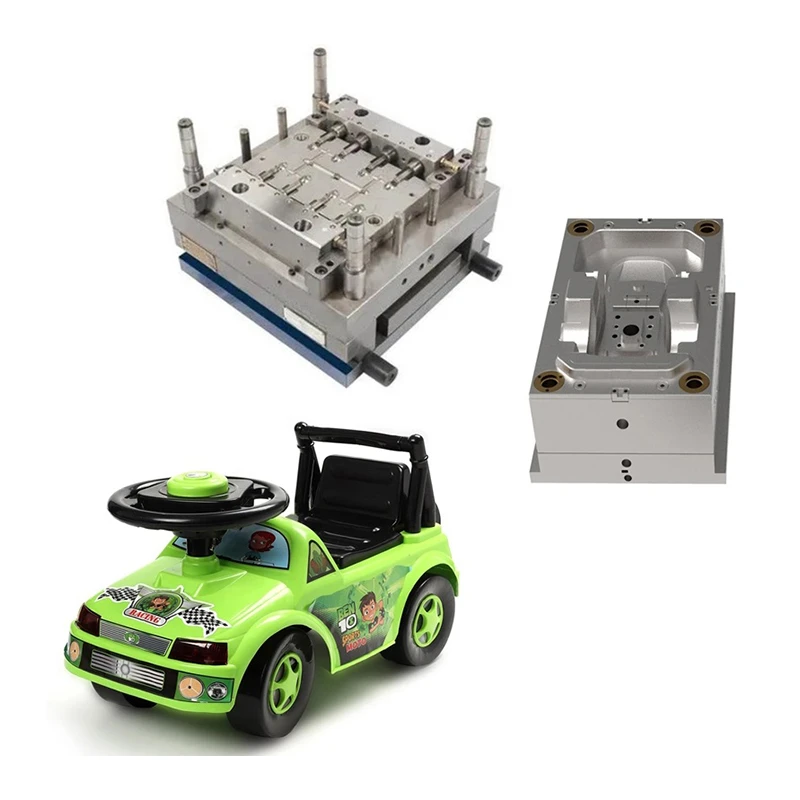
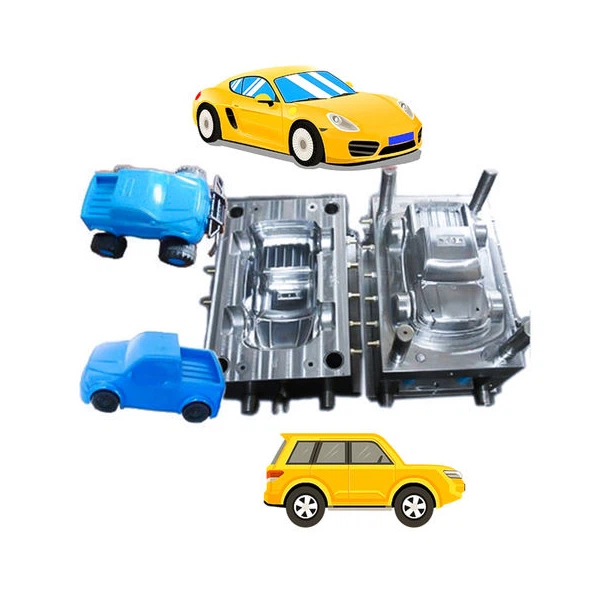
We also offer a wide range of Plastic Toy Moulds, including Children Electrical Car Mould, Baby Car Mold, and Plastic Toy Injection Mould. Visit our website to learn more about our products and services.
References
- "Plastic Injection Molding Handbook" by O. Oscar Benigni
- "Molding of Plastics and Composites" by John Beaumont